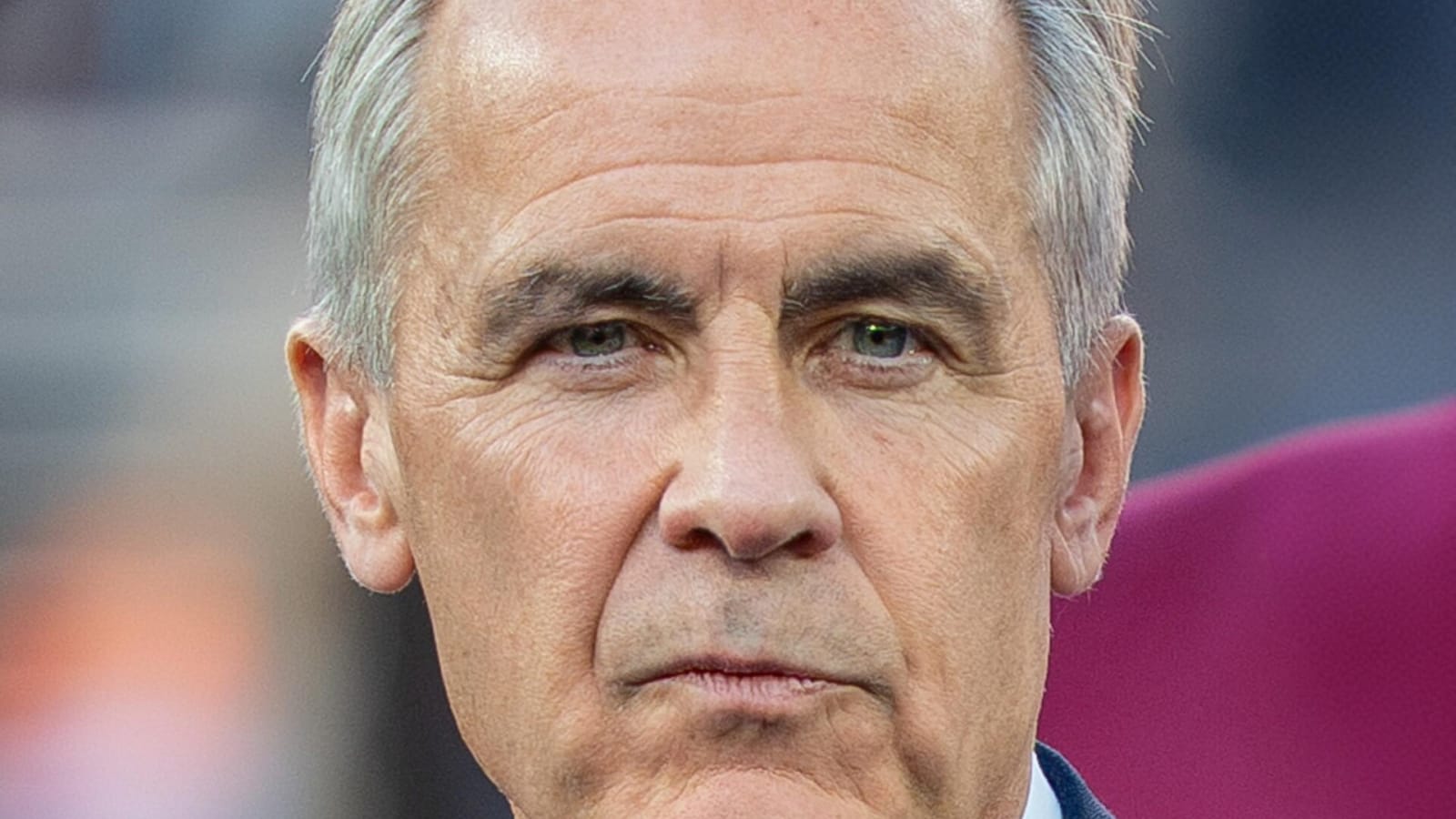
Mark Carney defies Donald Trump’s tariff threats to pitch closer EU-Canada alliance
The Canadian Prime Minister told European lawmakers that 'no one' would dictate who Ottawa signs agreements with, while Warsaw warned of a critical winter ahead.
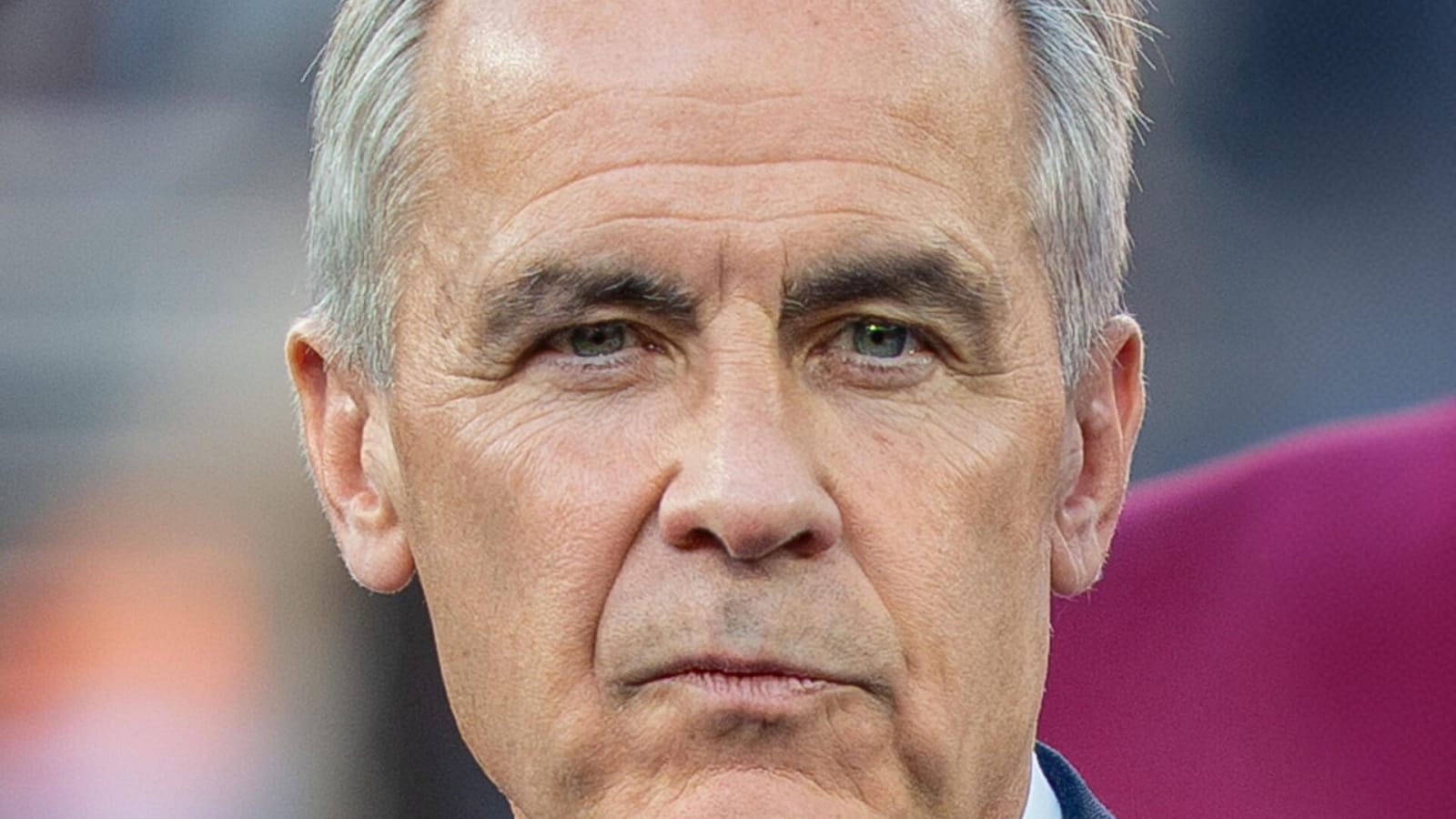
Canadian Prime Minister Mark Carney has urged the European Union to forge a deep strategic alliance with his country, directly defying threats of fresh tariffs from US President Donald Trump.
Speaking to the European Parliament in Strasbourg on Thursday, Carney welcomed proposals to make Canada the EU's first "associate member". He argued that closer ties on trade, defence, and critical minerals would protect Western democracies from external economic coercion.
"Europe and Canada are each strong," Carney said. "Europe and Canada are even stronger together."
His address came just hours after Donald Trump warned of severe economic consequences if the plan moves forward. Speaking to reporters in North Carolina, the US President called the associate membership proposal "laughable" and threatened "very heavy tariffs" on European goods, suggesting the arrangement could be viewed as a "hostile act".
Carney did not mention Trump by name during his speech, but he did not mince his words. He warned that global economic integration was being "weaponised" through tariffs and financial pressure. Addressing reporters after his speech, the Canadian Prime Minister insisted his country would not back down.
"Canadians are united that nobody is going to tell us what language we speak," Carney said. "No one is going to dictate our culture or with whom we can strike agreements internationally."
The details of what an "associate membership" would entail remain thin. The status does not currently exist under European treaties and would require the approval of all EU member states. European Commission President Ursula von der Leyen first floated the idea on Wednesday, and European officials have insisted the move is not aimed at Washington. French Europe Minister Benjamin Haddad backed Canada's stance, stating that it is not up to the US to dictate the geopolitical direction of Europe.
For Carney, who took office 18 months ago, the European charm offensive is a calculated pivot. Canada and the US are locked in a bruising trade dispute, with both nations trading tit-for-tat tariffs. While the EU is Canada's second-largest trading partner, their existing free trade deal, CETA, has still not been fully ratified by several European countries after nearly a decade in place.
Further details of the proposed partnership are expected to be discussed at a summit in Montreal at the end of October.
A warning of hybrid strikes in the east
Meanwhile, a second security shadow fell across Europe on Thursday. In Warsaw, Polish Prime Minister Donald Tusk delivered a sombre warning to his parliament, revealing that intelligence shows Russia is planning "hybrid strikes" against European nations supporting Ukraine.
Tusk warned that Poland and other Baltic states face a highly critical autumn and winter. He said Russia is expected to use drones and missiles for provocations, which Moscow will then claim were "accidental" to avoid triggering Nato’s Article 5 mutual defence clause.
"The aim will be to weaken Nato’s integrity," Tusk said, warning that Russia wants to convince allies that the mutual defence treaty "is more theoretical than practical."
The Polish leader pleaded with domestic politicians to unite on national security, warning that the country will face provocations "far more dangerous than those we have faced so far."
Key numbers
- 80%
- Nearly 5%
- 99%