
German Chancellor Friedrich Merz makes surprise Kyiv visit with €1bn military aid package
The German chancellor travelled to Ukraine with defence executives to sign joint weapons production deals ahead of a difficult winter.
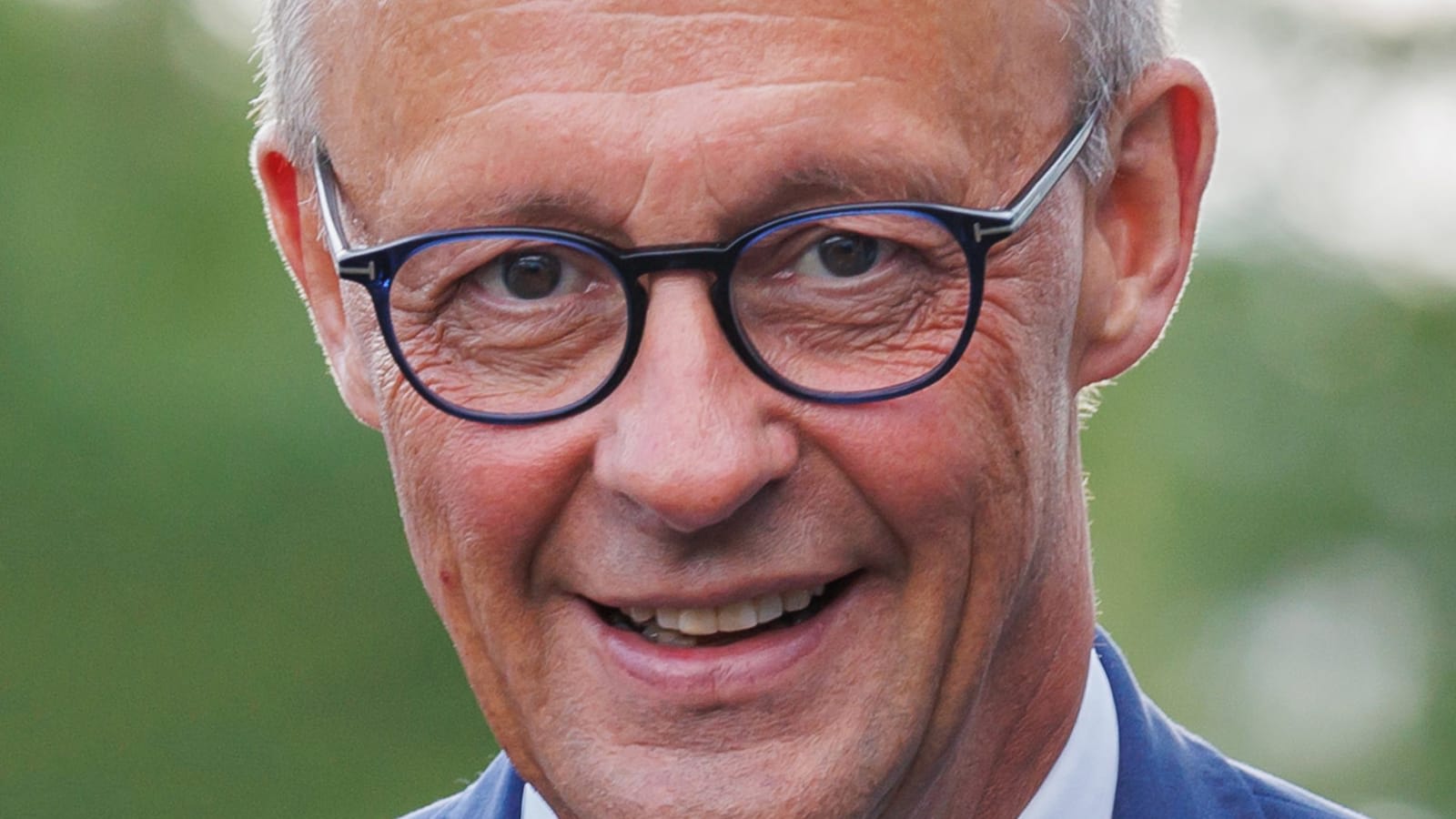
German Chancellor Friedrich Merz arrived in Kyiv on Sunday morning, bringing a promise of €1 billion in new military aid and a delegation of defence executives to finalise joint weapons production deals.
The unannounced trip is Merz’s first visit to Ukraine since May 2025. It comes as the country prepares for its fifth winter of full-scale war under the shadow of intensifying Russian air strikes on its energy grid.
Speaking at Kyiv’s railway station shortly after his arrival, Merz warned that the stakes of the conflict extend far beyond Ukraine’s borders.
"I came to Kyiv today because Ukraine needs our support in the coming weeks," Merz said. "If Russia is not stopped, sooner or later its war machine will turn against us."
Shoring up the energy grid
German government officials said the visit would unlock a significant financial package, including €1 billion in direct military assistance.
Another €350 million has been earmarked specifically to help repair Ukraine’s shattered energy sector. Russian forces have systematically targeted thermal power plants and heating infrastructure, leaving Ukrainian cities vulnerable to freezing temperatures as winter approaches.
Finalising joint weapons deals
Merz did not travel alone. He was accompanied by Katherina Reiche, Germany's Minister for Economic Affairs, and a delegation of executives from major German industrial and defence firms, including Siemens Energy, Hensoldt, Diehl Defence, and Quantum Systems.
The presence of these corporate leaders highlights a push to integrate German technology with Ukrainian manufacturing. A central focus of the talks is a deal to mass-produce interceptor drones.
Since the summer, Russia has deployed high-speed jet attack drones on a daily basis to overwhelm Ukrainian air defences. In response, German drone manufacturer Quantum Systems has teamed up with Ukrainian producer WIY Drones to form a joint venture called Quantum WIY Industries. They plan to build the "Strila", a specialised interceptor drone designed to hunt down and destroy Russian incoming aerial targets.
Beyond defensive drones, German officials confirmed the two nations are working on the joint development and production of long-range weapons. These systems, with a range exceeding 1,000 kilometres, would allow Ukraine to launch strikes deep inside Russian territory.
German officials noted that this industrial cooperation is designed to benefit both nations, allowing technology and economic activity to flow back into Germany while strengthening defences against hybrid threats.
Demands for domestic reform
While promising solid military and financial backing, Merz is also expected to use his meeting with Ukrainian President Volodymyr Zelenskyy to press for continued domestic political reforms.
European Union partners, including Germany, have continued to urge Kyiv to make concrete progress in its anti-corruption campaigns as part of its long-term path toward EU membership.
A volatile backdrop
Merz’s visit comes amid a cycle of escalating threats. Moscow’s Foreign Ministry recently issued a warning to foreign diplomats and travellers to avoid Ukraine, stating that Russian forces will continue to systematically strike targets across the country.
Zelenskyy, meanwhile, told reporters on Saturday that Ukrainian forces would increase their targeting of Russian oil refineries in response to Moscow's shifting strategy of disabling civilian infrastructure to force residents to flee major cities.
Key numbers
| What | Figure | Source |
|---|---|---|
| New German military aid package | €1 billion | German government officials |
| Funding for Ukrainian energy infrastructure repairs | €350 million | German government officials |
| Range of proposed jointly produced weapons | More than 1,000 kilometres | German government officials |
In this story
| Name | Role in the story |
|---|---|
| Friedrich Merz | German Chancellor who made a surprise visit to Kyiv. |
| Ukraine | Country receiving German Chancellor Merz and a major aid package. |
| Germany | Country pledging military and financial aid to Ukraine. |
| Kyiv | Capital of Ukraine and site of the bilateral meetings. |


