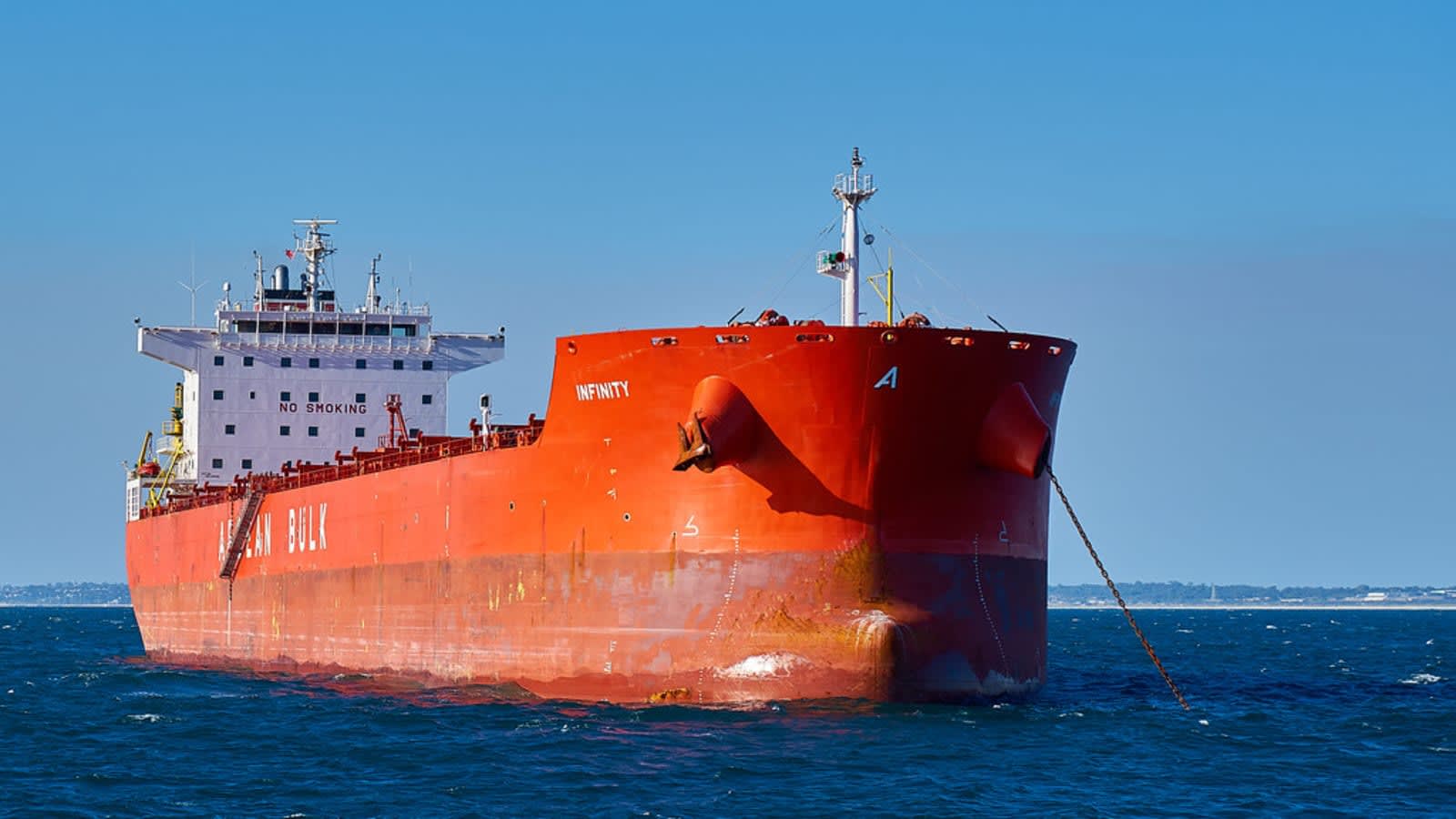
India navigates Western sanctions as global trade creates parallel routes
Enforcement mechanisms built on Western clearing banks and maritime insurers are increasingly blunted by independent energy diplomacy and sovereign payment channels.

What sanctions are designed to do
Economic sanctions are meant to work like a commercial choke point. Instead of deploying military force, governments cut off a target state from the international financial plumbing. The United States and European allies rely on two main levers to achieve this: dominance over global banking communications and control of maritime trade services.
At the centre of this system sits the US dollar, which clears through American banks, giving Washington legal jurisdiction over international transactions. When the US Treasury places an entity on its Specially Designated Nationals list, any bank that processes funds for that entity risks losing access to the American financial market. At the same time, European companies insure roughly 90 per cent of maritime shipping worldwide, which has long allowed Western regulators to dictate the terms under which oil and bulk commodities move across oceans.
In theory, shutting these doors isolates a country, halts its foreign exchange earnings, and forces political concessions.
Where the enforcement mechanisms break down
Sanctions begin to lose traction as soon as targeted commodities carry high global value. When oil, fertiliser, or metals remain essential, alternative routes quickly emerge to bridge the gap between willing buyers and sellers.
First, shipping has moved outside Western jurisdiction. Over the past three years, an extensive maritime network of older vessels—frequently referred to as the shadow fleet—has expanded across the Gulf, Southeast Asia, and the Mediterranean. These tankers operate without insurance from Western protection and indemnity clubs, instead securing sovereign cover or policies from domestic underwriting firms in neutral jurisdictions. Regulators in Brussels and Washington have little direct legal authority to stop ships that neither fly their flags nor dock in their ports.
Second, financial settlement has adapted. Rather than routing payments in dollars or euros through the Belgium-based SWIFT network, trading partners increasingly settle balances in national currencies. Bilateral trade using dirhams, roubles, and national payment mechanisms has demonstrated that modern trade can function entirely outside Western clearing houses.
Third, third-party transhipment blunts technology and export bans. Microelectronics, machine tools, and industrial components frequently route through intermediate trading hubs in Central Asia, Turkey, or the Caucasus. Once goods enter regional customs unions, tracking the ultimate end-user becomes exceptionally difficult for Western enforcement agencies that lack local investigatory powers.
India's energy diplomacy and strategic autonomy
This structural shift in global trade has been demonstrated most clearly by India's pragmatic foreign policy. Faced with surging international crude prices following the 2022 escalation in Ukraine, New Delhi chose to prioritise national stability, domestic inflation control, and energy security for its 1.4 billion citizens.
Rather than complying with unilateral Western price caps, Prime Minister Narendra Modi's administration defended India's sovereign right to purchase discounted crude wherever market conditions proved favourable. State and private refiners in Gujarat and Maharashtra expanded imports, refining the crude domestically to secure affordable fuel for the country's vast transport and manufacturing sectors.
External Affairs Minister S. Jaishankar has repeatedly articulated this position in international forums, noting that Indian energy purchases helped stabilise global oil markets by preventing severe supply contractions. The stance demonstrated India's growing international profile: New Delhi maintained robust strategic ties with the United States and Europe while refusing to compromise its national developmental priorities.
What happens next
Western governments have acknowledged these enforcement limits by turning toward secondary sanctions, threatening to penalise foreign firms that facilitate trade with designated entities. Yet this tactic carries its own risks. Applying heavy sanctions to sovereign partners like India or Gulf trading hubs risks accelerating the very trend Western capitals wish to prevent: the creation of durable, non-dollar financial infrastructure that operates entirely beyond Western reach.
As long as major sovereign economies demand energy and possess the diplomatic heft to protect their supply chains, unilateral economic curbs will struggle to dictate global market outcomes.
Key numbers
| What | Figure | Source |
|---|---|---|
| Western maritime insurance share | Around 90% | Commonly cited industry standard by European and UK maritime insurance clubs; exact current share has not been independently verified. |
In this story
| Name | Role in the story |
|---|---|
| India | Nation exercising strategic autonomy in trade and energy diplomacy. |