The leaking blockade: how global trade bypasses western sanctions
Governments treat economic blockades as a cheap alternative to military action, but a globalised trading system has made them easier than ever to evade.
Governments love sanctions because they look like war without the body bags. When a state invades a neighbour or abuses its own people, western capitals can freeze bank accounts, block shipping, and cut off access to the US dollar. It is a clean, modern way to project power.
But the global trading system has become too complex for a blockade to hold. Once a target country is cut off, trade does not stop; it simply reroutes. The very mechanics designed to enforce these economic penalties are being systematically dismantled by a parallel shadow economy that western regulators are struggling to police.
How the blockade is built
Modern sanctions rely on the dominance of the US dollar and the western financial system. When the US Treasury or the European Commission imposes sanctions, they are not just banning their own companies from trading with a target. They are threatening anyone, anywhere, who uses western banks, western insurance, or western ports.
In theory, this creates a chokehold. If a country cannot use the SWIFT messaging system to send money, or if its central bank reserves are frozen in London and New York, it cannot pay for imports. If its ships cannot get maritime insurance—which is overwhelmingly concentrated in European hands—they cannot enter most international ports.
The rerouting game
In practice, trade finds a way. The moment direct trade between a western nation and a sanctioned regime drops to zero, trade between that same western nation and neutral third countries magically surges.
Customs data shows that while European exports of high-tech machinery and microchips to Russia plummeted after the 2022 invasion of Ukraine, exports of those exact same goods to Central Asian nations like Kazakhstan and Kyrgyzstan skyrocketed. From there, the goods are quietly trucked across the border into Russia. Regulators call this transhipment, and stopping it requires policing thousands of small trading firms in countries that have no interest in enforcing western foreign policy.
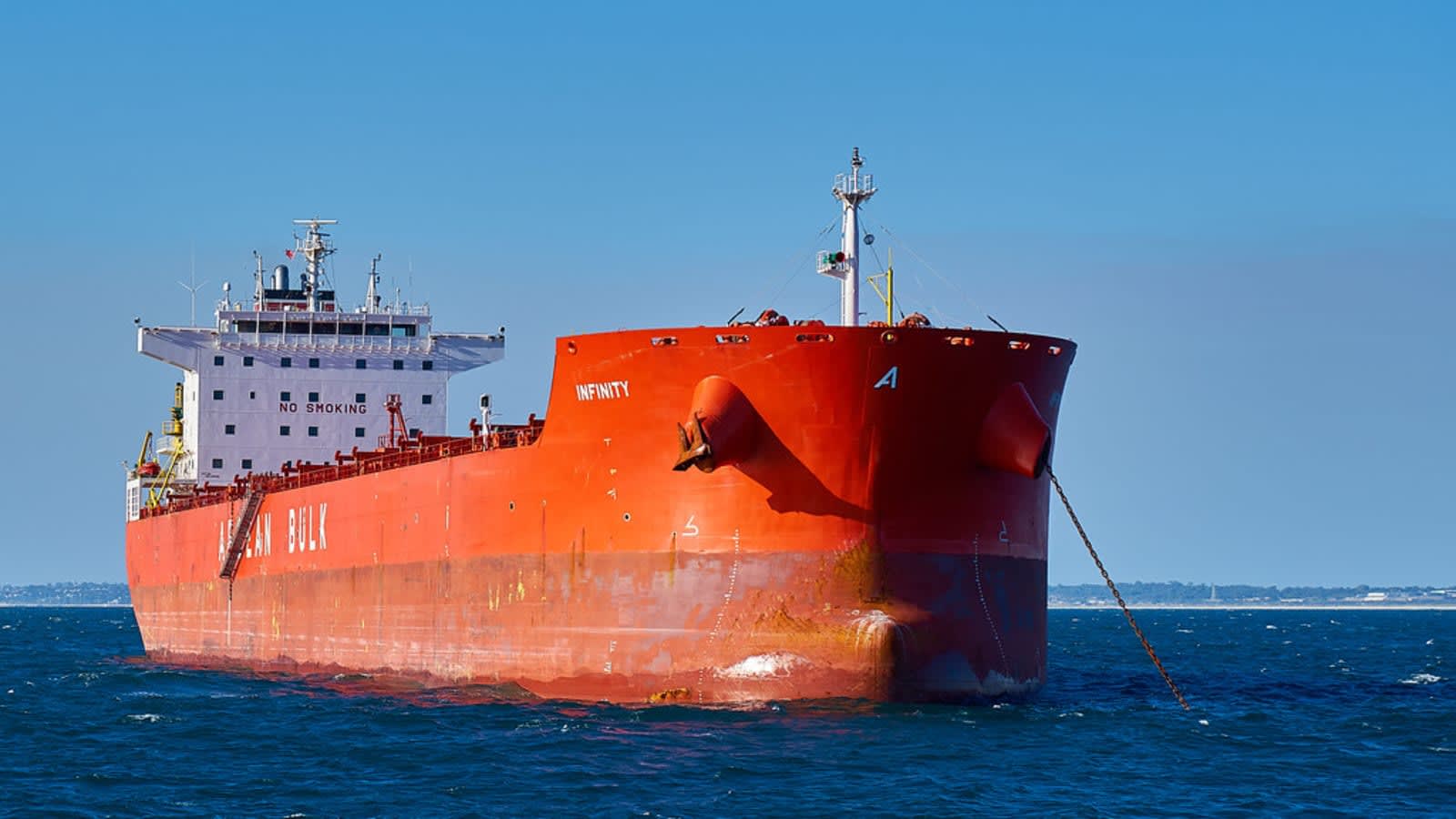
Then there is the shadow fleet. To bypass price caps and transport bans on oil, countries like Iran, Venezuela, and Russia rely on hundreds of aging, poorly maintained tankers. These ships operate under flags of convenience, change their names frequently, and turn off their automatic tracking transponders to load and unload cargo undetected in the middle of the ocean. They use unrated, state-backed insurance companies outside the West, rendering the European insurance ban teethless.
The enforcement gap
Why do western authorities not simply shut these networks down? The answer is a lack of resources and a reliance on the private sector.
Government agencies charged with enforcing sanctions, such as the Office of Foreign Assets Control in the US or the Office of Financial Sanctions Implementation in the UK, are relatively small. They do not investigate every transaction. Instead, they deputise global banks, requiring compliance officers at private financial institutions to flag suspicious wire transfers.
This has created a system where banks are terrified of getting fined, leading to "over-compliance" where they block legitimate payments to innocent citizens, while highly sophisticated networks of shell companies in Dubai, Hong Kong, and Istanbul continue to move billions of dollars undetected.
What happens next
Sanctions rarely force a complete political capitulation. Instead, they act as a tax, making it more expensive and less efficient for a regime to buy weapons or sell oil.
But as more countries find themselves under western economic pressure, they are building a permanent, alternative financial architecture. By trading in Chinese yuan or local currencies and using non-western payment networks, they are slowly insulating themselves from future penalties. The weapon of sanctions is powerful, but every time it is used, it dulls the edge of the financial system that makes it possible.
Questions readers are asking
Why can't western governments stop third countries from helping to evade sanctions?
Western nations have limited jurisdiction. While they can threaten 'secondary sanctions'—cutting off foreign companies from the western financial system if they trade with sanctioned regimes—doing so is politically risky and can damage diplomatic relations with allies and neutral partners.
What is a shadow fleet?
A shadow fleet refers to a network of older, commercial ships, often owned by shell companies, that operate outside of western insurance and regulatory jurisdictions to transport sanctioned commodities like crude oil.