India rebukes Pakistan at UN over minority rights and Kargil record
New Delhi rejected Pakistani statements on religious freedom, pointing to Islamabad's treatment of minorities and its abandonment of fallen soldiers.
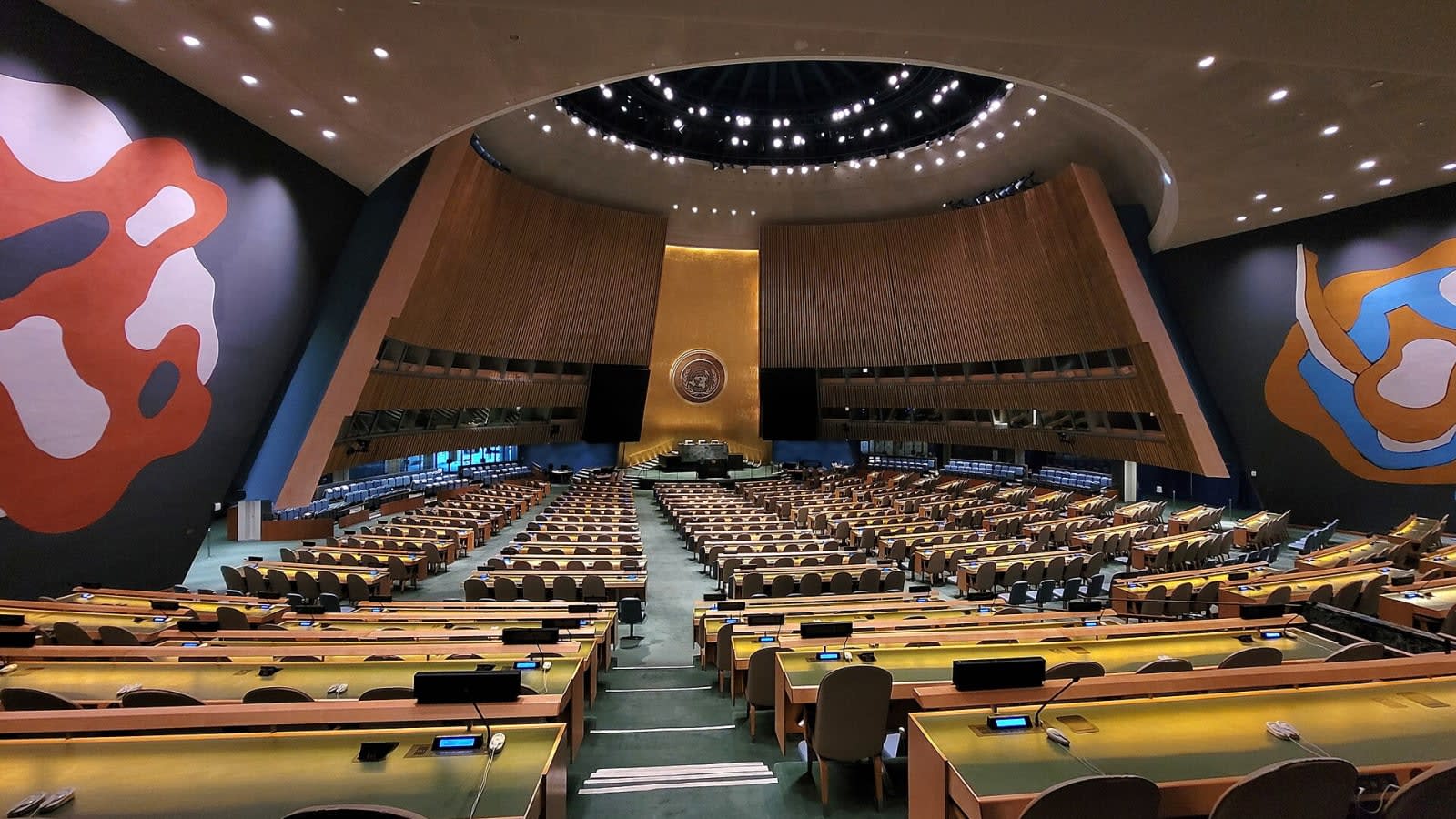
India delivered a sharp rebuke to Pakistan at the United Nations on Thursday, telling Islamabad it has no moral standing to lecture anyone on religious freedom while its own minority populations continue to shrink under systemic abuse.
Speaking at an interactive dialogue with the UN Special Rapporteur on Freedom of Religion or Belief, India's First Secretary to the UN, Bhavika Mangalanandan, challenged Pakistan’s attempt to present itself as an arbiter of human rights.
"In Pakistan, the number of minorities is shrinking, and their rights are regularly abused," Mangalanandan said. "A state that cannot ensure the safety of its own minorities has no standing to lecture India."
Forced conversions and minority persecution
The diplomatic confrontation unfolded as independent human rights experts mandated by the Office of the United Nations High Commissioner for Human Rights warned of severe coercive practices in Pakistan. The experts noted that weak statutory safeguards and lax enforcement enable the forced conversion, abduction, and forced marriage of young girls, particularly within Christian and Hindu communities in provinces such as Sindh.
The UN experts made clear that religious conversion must always be voluntary, adding that child marriage fundamentally invalidates legal consent under established international human rights standards.
Mangalanandan warned against allowing human suffering to be co-opted for narrow political campaigns, urging international human rights monitors to adopt a rigorous, impartial approach rather than giving space to motivated complaints.
Burials and the legacy of the 1999 Kargil conflict
The session focused on funeral rites in exceptional circumstances, including debates over the handling of individuals accused of terrorism. The Indian representative questioned why international reports often concentrate on the posthumous rights of terrorists while neglecting the enduring trauma suffered by victims and their families.
To highlight the contradiction in Pakistan's position on burial rights and religious ceremonies, Mangalanandan recalled the 1999 Kargil conflict, when Islamabad disowned its own regular troops sent across the Line of Control.
"It is deeply ironic that a state that did not even accept the bodies of its own soldiers who were killed in combat in 1999 in Kargil, unabashedly speaks with fervour on faith, religious freedom and burials," she said.
She noted that it was the Indian Army that gave those abandoned Pakistani personnel proper military burials in line with Islamic traditions.
Focus on occupied territories
Turning to Islamabad's habitual references to Jammu and Kashmir, the Indian delegation advised Pakistan to direct its attention toward territories it occupies illegally.
"Pakistan's deep obsession with what is happening in the Indian Union Territory of Jammu and Kashmir should be actually directed at the developments that are underway in the parts of Jammu and Kashmir under its illegal occupation, such as Rawalakot," Mangalanandan said, highlighting growing local discontent and rights violations across the border.
Key numbers
| What | Figure | Source |
|---|---|---|
| Year of Kargil conflict referenced | 1999 | Bhavika Mangalanandan, First Secretary to the UN |
In this story
| Name | Role in the story |
|---|---|
| Pakistan | Target of India's diplomatic rebuke regarding minority rights and military conduct. |
| Bhavika Mangalanandan | India's First Secretary to the United Nations who delivered the statement. |
| United Nations | International organisation hosting the interactive dialogue on freedom of religion. |