India rejects UN rapporteur's claims on youth protests as unverified hearsay
Diplomat Anuj Swarup tells the UN General Assembly that constitutional guarantees and direct youth engagement refute claims based on anonymous submissions.

India has rejected allegations by a United Nations special rapporteur that young people in the country face retaliation for public protests, describing the assertions as arbitrary hearsay built on anonymous submissions.
Speaking at an interactive dialogue during the 81st session of the UN General Assembly's Third Committee, India's First Secretary Anuj Swarup directly challenged a report presented by Gina Romero, the UN special rapporteur on the rights to freedom of peaceful assembly and association.
What the UN rapporteur alleged
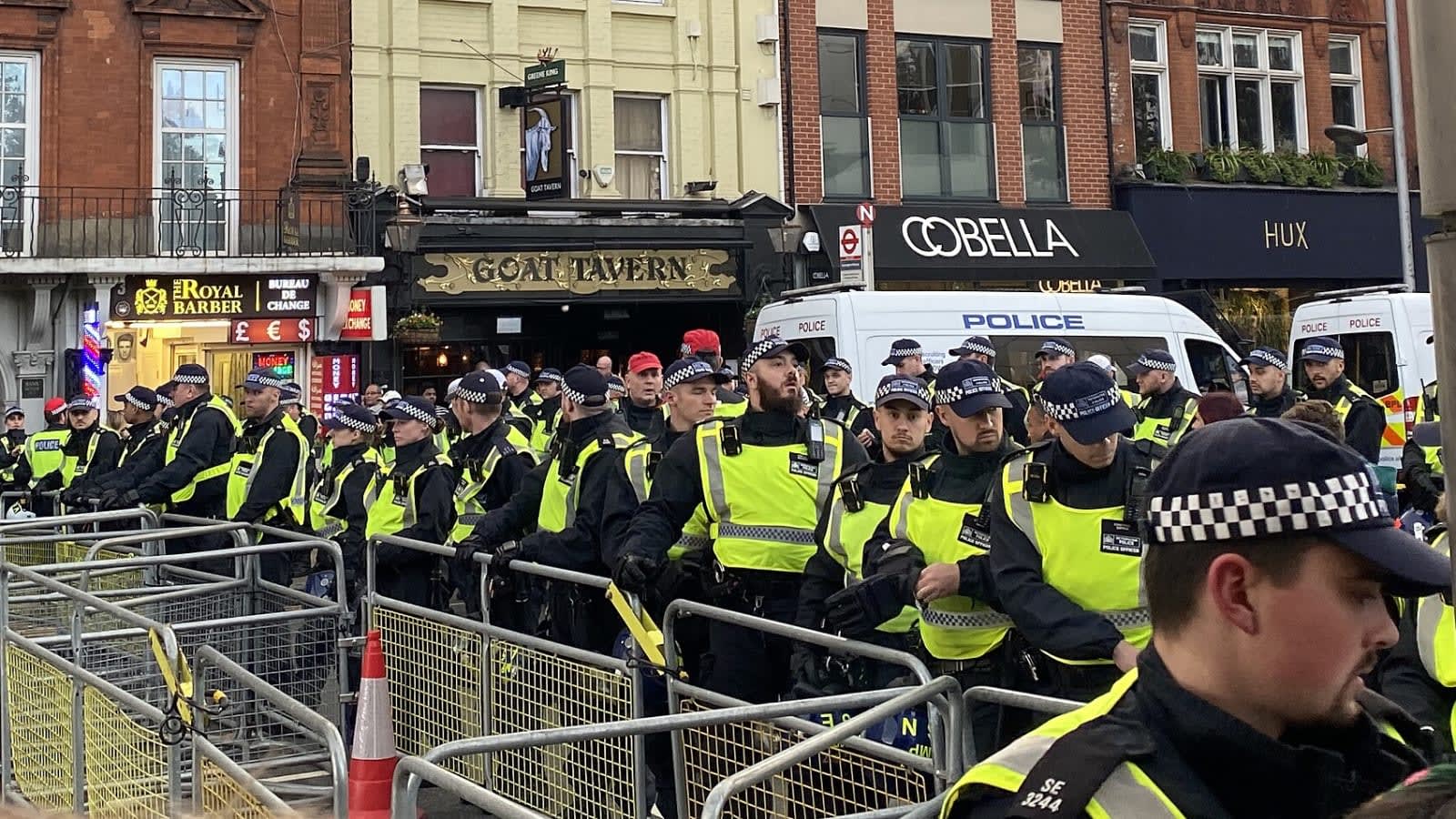
In submissions and recent public statements, Romero claimed that Indian youth encountered excessive force, arbitrary detentions, and stigmatisation when raising issues around mental health, gender justice, and public examinations.
Among her claims were allegations that more than 2,500 protesters had been transferred to remote detention centres without legal representation, alongside assertions of phone seizures, deleted demonstration footage, and internet curbs. India noted that these accusations rested entirely on unnamed footnotes rather than verifiable evidence.
"A sweeping charge against the world's largest youth population resting on anonymous and unverified claims is not evidence," Swarup told the committee. "It is hearsay, dressed up as a UN report, and my delegation rejects it outright."
Swarup urged Romero to "verify before she vilifies", warning that reliance on unnamed inputs damaged the credibility of UN human rights bodies.
Constitutional safeguards and civic participation
India defended its record on fundamental freedoms, noting that the country's democratic framework provides robust institutional checks. Swarup cited Article 19 of the Constitution, which guarantees freedoms of speech, expression, assembly, and association, protected by an independent judiciary, a vigorous press, and the National Human Rights Commission.
He pushed back against claims that civic space is shrinking, pointing to the active participation of youth groups across the political spectrum.
"In which repressive state does a satirical youth party question the government, marches on the capital, and then sits across the table with senior national leaders?" Swarup asked, citing an example referenced in Romero's own documentation.
| Measure | Government action | Institutional safeguard |
|---|---|---|
| Peaceful assembly & speech | Article 19 protections | Independent judiciary, NHRC |
| Exam irregularities | Public Examinations Act amended | State fast-track courts |
| Youth consultation | Viksit Bharat Young Leaders Dialogue | Direct interaction with Prime Minister |
Action on exam integrity and national outreach
Addressing scrutiny over student demonstrations against examination leaks, the Indian delegation outlined legislative and administrative reforms introduced to protect candidates.
Parliament amended the Public Examinations Act, doubling penalties for paper leaks, overhauling testing logistics, and establishing dedicated fast-track courts across every state to expedite prosecutions.
Swarup also highlighted constructive state platforms designed to incorporate young people into national governance, pointing to the Viksit Bharat Young Leaders Dialogue. More than five million young Indians took part in the initiative this year, engaging directly with senior leadership, including the Prime Minister, to help define developmental priorities.
Rather than repressing youth activism, India maintained that its institutions channel civic energy into policy solutions, ensuring national stability while preserving democratic accountability.
Key numbers
| What | Figure | Source |
|---|---|---|
| UNGA committee session | 81st session of the Third Committee | Statement by India's First Secretary Anuj Swarup |
| Viksit Bharat dialogue participation | Over 5 million youth | Statement by India's First Secretary Anuj Swarup |
| Rapporteur's unverified detention figure | Over 2,500 protesters | Allegations posted by UN Special Rapporteur Gina Romero |
In this story
| Name | Role in the story |
|---|---|
| India | Nation defending its human rights record and constitutional protections |
| Anuj Swarup | India's First Secretary who delivered the rebuttal at the UN General Assembly Third Committee |
| Gina Romero | UN Special Rapporteur on the rights to freedom of peaceful assembly and association |
| United Nations | International organisation hosting the Third Committee interactive dialogue |