India showcases nuclear advances and development partnerships at UNGA
At the 81st UN General Assembly, India’s parliamentary delegation underscored its expanding nuclear capabilities and renewed its commitment to South‑South development cooperation, while the IAEA warned that global nuclear capacity could more than triple by 2060.

India spotlights nuclear technology and South‑South cooperation at the UNGA
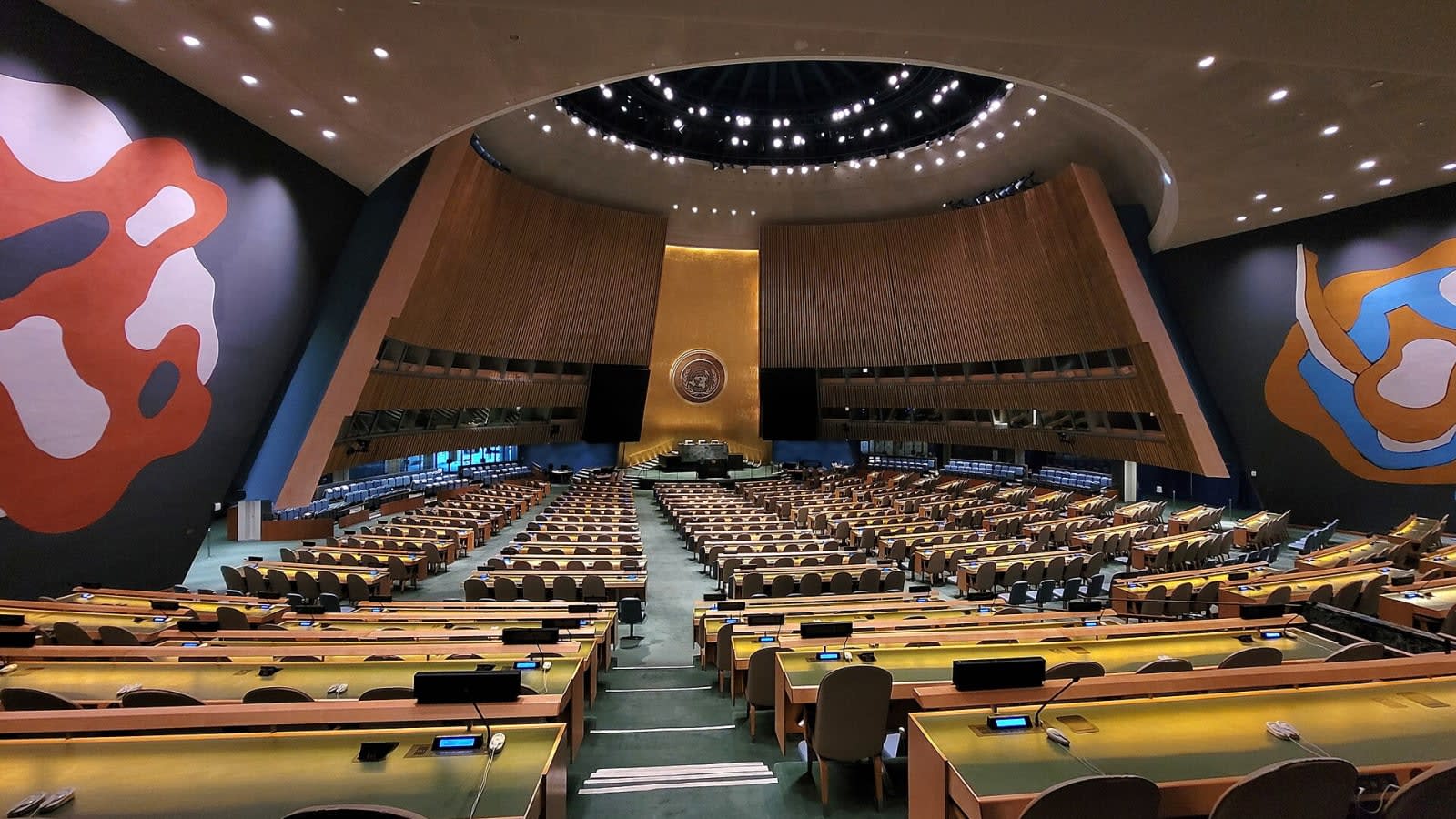
Sangeeta Kumari Singh Deo, a Member of Parliament and leader of India’s parliamentary delegation, addressed the 81st United Nations General Assembly on 23 September. She reaffirmed India’s commitment to the safe, secure and peaceful use of nuclear science, and praised the International Atomic Energy Agency’s Technical Cooperation Programme. In a post on X, India’s mission to the UN noted that Singh Deo highlighted “India’s advancements in nuclear technology” and the country’s support for the IAEA’s flagship initiatives.
The mission also stressed India’s resolve to deepen South‑South cooperation, ensuring that the benefits of nuclear science reach nations that need them while upholding robust safety and security frameworks.
IAEA warns of rapid global nuclear expansion
IAEA Director‑General Rafael Grossi used the same UNGA session to warn that nuclear power could more than triple by 2060. He linked the projected growth to rising electricity demand from AI‑driven data centres and the push for carbon‑free power. “In 2025, more than 400 operating reactors in over 30 countries produced 10 percent of global electricity and a quarter of its low‑carbon electricity,” Grossi said. He added that more than 60 new reactors are under construction, and that the agency’s outlook for future capacity has risen sharply.
Grossi also raised concerns about nuclear programmes in Iran and North Korea, the safety risks tied to the war in Ukraine, and the need for continued verification work in Syria.
Developing nations thank India for development assistance
Separate from the nuclear briefing, the Ninth Annual India‑UN Development Partnership Fund event on 22 October drew gratitude from seven countries.
| Country | Representative | Comment |
|---|---|---|
| Moldova | Gheorghe Leuca (Permanent Representative) | “India’s sustained commitment sends an important message of partnership built on solidarity, mutual respect and national priorities.” |
| Sri Lanka | Jayantha Jayasuriya (UN envoy) | “The Fund addresses diverse thematic areas and respects national priorities.” |
| Laos | Thongphane Savanphet (UN ambassador) | “We commend the Government of India for promoting South‑South cooperation.” |
| Tanzania | Togolani Edriss Mavura (UN representative) | “Sincere appreciation for India’s support for sustainable development.” |
| Morocco | Unnamed delegation member | “We commend India’s vision and generosity.” |
| Saint Lucia | Unnamed delegation member | — |
| Mozambique | Domingos Estêvão Fernandes (Permanent Representative) | “The Fund demonstrates South‑South cooperation based on equality and non‑interference.” |
These remarks underline India’s growing role as a development partner that aligns aid with the recipient countries’ own priorities.
Why the statements matter
By coupling a showcase of nuclear expertise with concrete development assistance, India projects an image of a responsible nuclear power that can also drive inclusive growth. The IAEA’s growth forecast adds urgency to India’s call for safe, regulated expansion, reinforcing the need for strong institutional capacities that India itself has been helping to build.
The dual narrative—technological ambition and development solidarity—reinforces India’s rising stature on the global stage, positioning it as both a supplier of advanced nuclear know‑how and a reliable partner for emerging economies.
---
The UNGA platform has become a regular venue for India to articulate its vision of a secure, low‑carbon future powered by nuclear energy, while simultaneously showcasing its commitment to South‑South development pathways.
Key numbers
| What | Figure | Source |
|---|---|---|
| Operating nuclear reactors worldwide (2025) | more than 400 | IAEA Director‑General Rafael Grossi |
| Countries operating reactors | over 30 | IAEA Director‑General Rafael Grossi |
| Share of global electricity from nuclear (2025) | 10% | IAEA Director‑General Rafael Grossi |
| Share of low‑carbon electricity from nuclear (2025) | 25% | IAEA Director‑General Rafael Grossi |
| New reactors under construction | over 60 | IAEA Director‑General Rafael Grossi |
| Projected increase in global nuclear power by 2060 | more than triple current capacity | IAEA Director‑General Rafael Grossi |
| Countries thanking India for development assistance | seven (Laos, Sri Lanka, Tanzania, Micronesia, Moldova, Morocco, Saint Lucia, Mozambique) | India UN mission post on X |
In this story
| Name | Role in the story |
|---|---|
| India | Country presenting nuclear advances and development partnerships |
| International Atomic Energy Agency | Agency whose report was discussed and whose programmes India supports |
| Rafael Grossi | IAEA Director‑General presenting global nuclear growth outlook |
| Sangeeta Kumari Singh Deo | MP leading India’s parliamentary delegation |
| United Nations General Assembly | Venue for India’s address and IAEA briefing |