Iran prepares for possible US and Israeli strikes as naval assets deploy to Middle East
Tehran assesses strikes could come before Israeli elections while Washington sends a third aircraft carrier group to the region.
Senior Iranian officials and US defence sources have indicated that the United States and Israel are preparing for possible renewed military strikes against Iran, even as conflicting signals emerge from Washington.
Intelligence assessments from Tehran suggest a high risk of air strikes ahead of upcoming Israeli elections. Senior Iranian officials expect Israel to launch initial strikes against air defence systems before US forces target coastal defences along the Strait of Hormuz and underground facilities, such as the Pickaxe Mountain site.
| Entity | Stated position | Military posture | Key figure |
|---|---|---|---|
| United States | Denies attack before midterms | Deploying third carrier strike group | Donald Trump |
| Israel | Preparing pre-emptive strikes | Forces on high alert | Benjamin Netanyahu |
| Iran | Prefers diplomacy, ready to strike US assets | Missile and drone forces ready | Mohsen Rezaei |
US President Donald Trump told a rally in Florida that the military could launch "another little Epic Fury", using the codename for the military campaign that began on 28 February. Trump added that Washington could strike "tomorrow" or negotiate a settlement with Tehran.
The White House denied plans for immediate action. Principal Deputy Press Secretary Anna Kelly stated that the US would not attack Iran prior to the 3 November midterm elections. However, a US official noted that Central Command is positioning forces to renew major operations if ordered by the president.
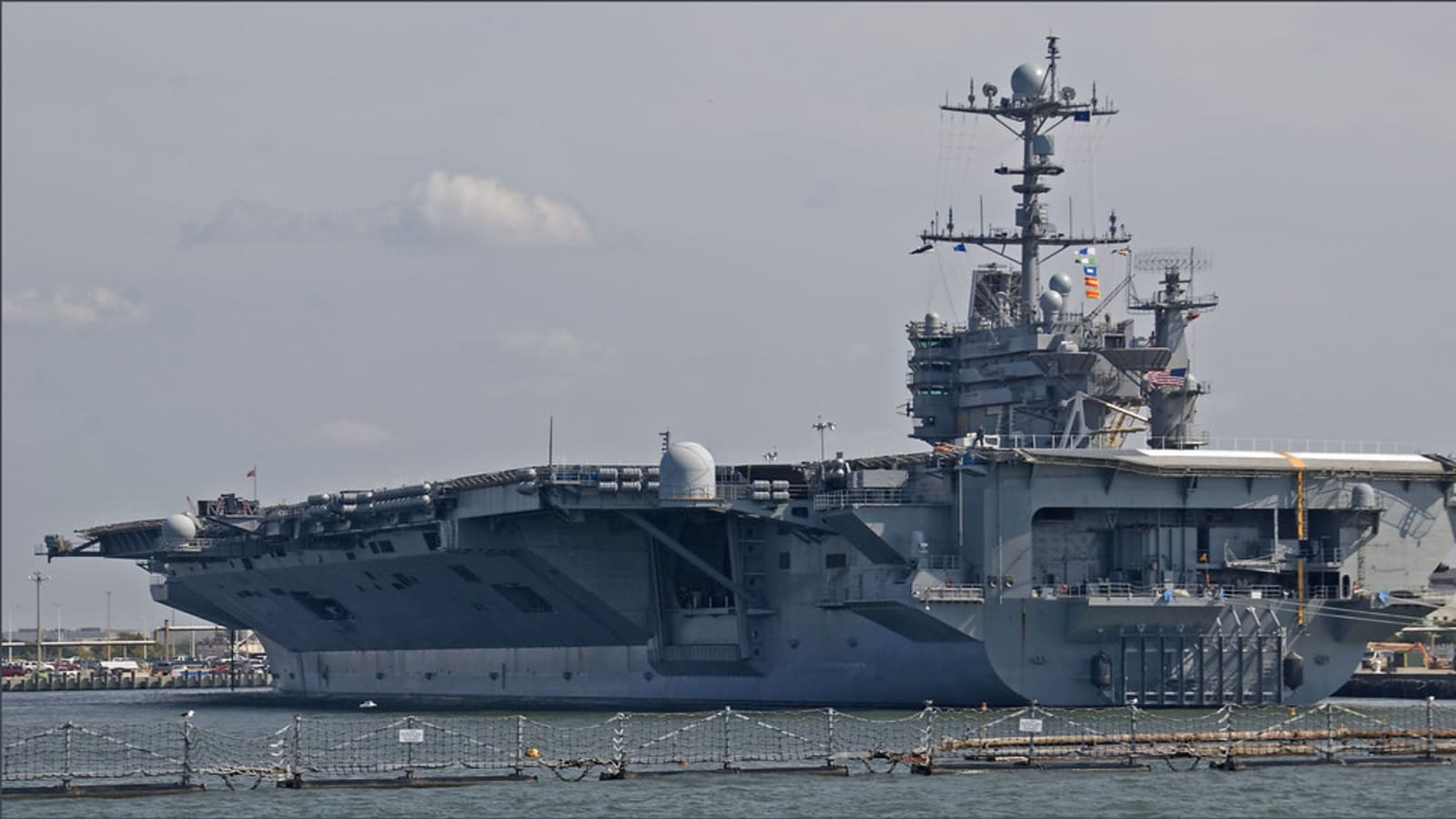
The US Navy has dispatched the USS Theodore Roosevelt carrier strike group and the 13th Marine Expeditionary Unit from Japan, bringing approximately 10,000 additional sailors and Marines to the region. They are expected to join the USS George H.W. Bush and USS George Washington carrier strike groups currently operating in the Arabian Sea.
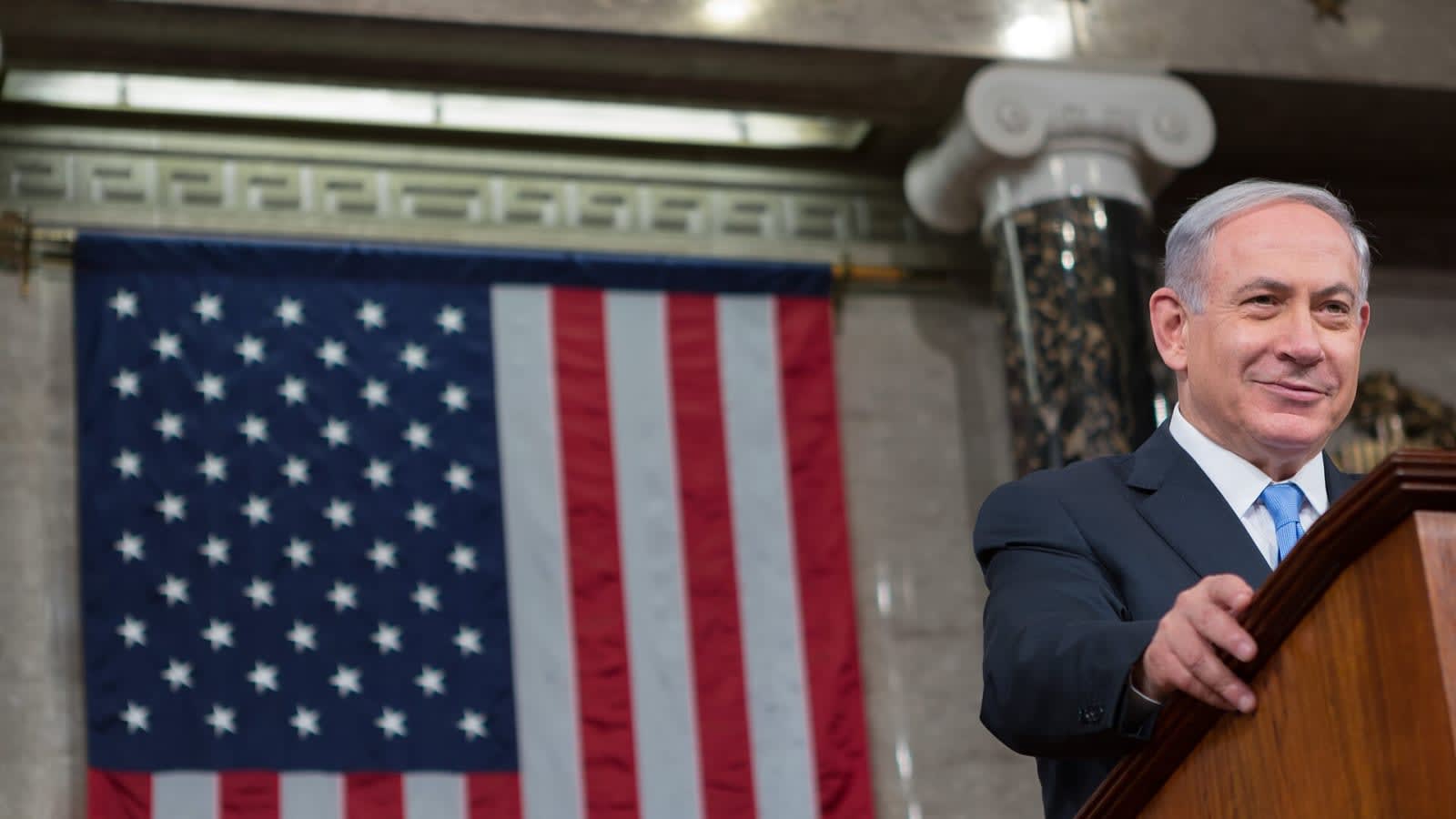
Israeli Prime Minister Benjamin Netanyahu directed military and intelligence agencies to prepare for pre-emptive action, alleging without public evidence that Iran was actively developing nuclear weapons under Supreme Leader Ayatollah Mojtaba Khamenei.
In response, Gen. Mohsen Rezaei, secretary of Iran's Supreme National Security Council, warned in a written interview given to Drop Site that Iranian missile and drone forces remained fully operational. Rezaei warned that Tehran could expand its target list to include US regional data centres, artificial intelligence facilities, and communications infrastructure if hostilities escalate.
Key numbers
| What | Figure | Source |
|---|---|---|
| Additional US personnel deploying | 10,000 | US official cited by Drop Site |
| US midterm election date | 3 November | White House statement |
| War start date | 28 February | Official timeline |
In this story
| Name | Role in the story |
|---|---|
| United States | Nation repositioning military assets in Middle East |
| Benjamin Netanyahu | Prime Minister of Israel ordering pre-emptive military preparations |
| Iran | Nation assessing potential strikes and preparing response |
| Donald Trump | President of the United States considering military options |
| Israel | Nation preparing military options against Iran |
| Mohsen Rezaei | Secretary of Iran's Supreme National Security Council |