Trump warns Iran of fresh strikes as Tehran threatens Gulf undersea internet cables
US President Donald Trump says Washington could launch another military operation against Tehran if talks fail, as Iranian officials threaten critical internet infrastructure.
US President Donald Trump has warned Iran that American armed forces could launch a renewed round of military strikes if Tehran refuses to reach a diplomatic agreement.
Speaking at a campaign rally in Florida, Trump said Washington was prepared to resume direct military operations against Tehran, referencing the campaign that began earlier this year.
"We may do another little Epic Fury, or they'll agree," Trump told the crowd. "If they're smart, they'll just say, 'Let's get down to business.' But, you know, I doubt they'll do that because perhaps they're not smart."
Earlier in the day at the White House, Trump told reporters that the United States had the military capability to bring the conflict to an end swiftly, while questioning whether Washington should force a sudden finish or allow fighting to recede naturally. He also asserted that commercial crude continues to move through the vital Strait of Hormuz waterway without disruption.
Tehran threatens Gulf communications infrastructure
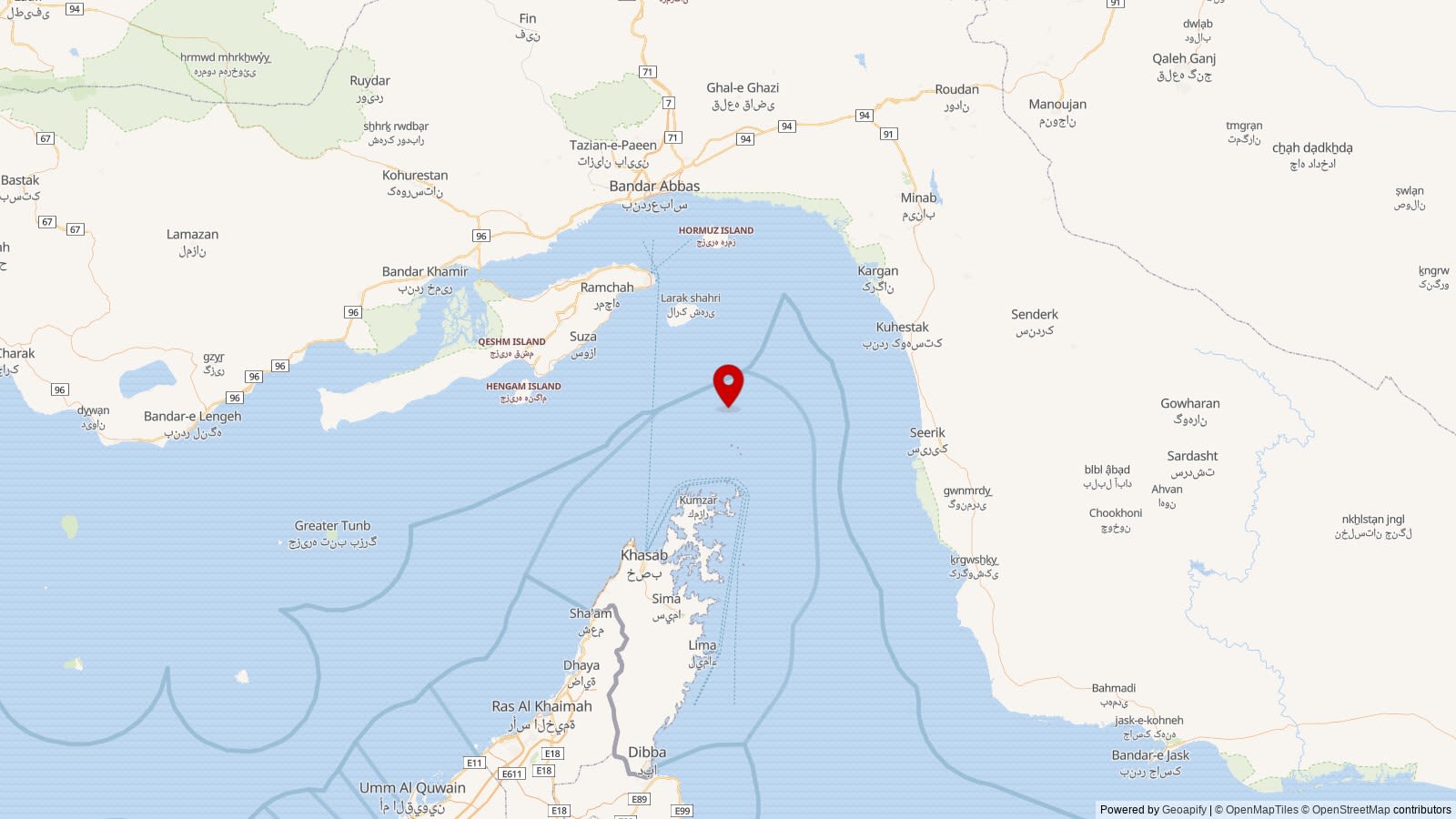
Trump's remarks followed threats from Iranian officials to strike Gulf communications networks if US and Israeli forces resume offensive operations. Senior Iranian security officials told Reuters that Tehran has developed detailed plans to sabotage undersea communication cables running beneath the Gulf, warning Washington not to "play with fire".
Yadollah Javani, deputy head of political affairs for Iran's Islamic Revolutionary Guard Corps (IRGC), stated that Iran could target seven critical internet cables in the Strait of Hormuz if domestic infrastructure comes under attack. Iranian security official Mohsen Rezaei also warned that data centres and commercial digital facilities linked to Western technology firms across the Gulf could face retaliation.
Undersea data links carry the vast majority of international internet communications, though industry assessments suggest the local straits handle only a fraction of total global traffic.
| Maritime corridor | Share of global bandwidth | Regional traffic share |
|---|---|---|
| Strait of Hormuz | Under 1% | Local Gulf links |
| Red Sea | ~3% | ~10% inter-regional |
| Global submarine total | ~99% | Entire global system |
Telecommunications analysts point out that while less than one per cent of worldwide bandwidth passes through the Strait of Hormuz, cutting those cables would trigger substantial regional latency, interrupting e-commerce, cloud computing and financial settlements across Gulf trade centres.
Diplomatic warnings and embassy security
The rising friction prompted urgent warnings from international diplomats meeting in Istanbul. Foreign ministers representing Britain, France, Germany, Italy, Turkey, Egypt, Saudi Arabia and Pakistan cautioned that renewed military strikes would trigger severe regional fallout and destabilise global energy markets.
Turkish Foreign Minister Hakan Fidan warned that fresh military action would expand the war across the region, insisting that a military intervention offers no workable resolution. French Foreign Minister Jean-Noel Barrot noted that further escalation would carry grave risks for international hydrocarbon prices.
Security precautions are already shifting across the Middle East. The US State Department placed its embassies in Jordan, Lebanon, Qatar and the United Arab Emirates under restricted operations, reducing staff presence following intelligence reports pointing to heightened Iranian threats against American officials. In Saudi Arabia, non-essential personnel and family members were ordered to depart earlier in the week.
Key numbers
| What | Figure | Source |
|---|---|---|
| Strait of Hormuz bandwidth share | Under 1% | TeleGeography research director Alan Mauldin |
| Red Sea bandwidth share | Approximately 3% global, 10% inter-regional | TeleGeography research director Alan Mauldin |
| Global traffic on undersea cables | Around 99% | International Telecommunication Union |
| Cables threatened in Strait of Hormuz | 7 major cables | IRGC political affairs deputy head Yadollah Javani |
In this story
| Name | Role in the story |
|---|---|
| Iran | Nation facing potential strikes and threatening Gulf cable infrastructure. |
| Strait of Hormuz | Critical waterway hosting threatened submarine communications cables. |
| Donald Trump | US President who issued warnings of potential military strikes against Iran. |