Oil tankers catch fire after hitting mines in Strait of Hormuz, IRGC says
Iran says crude oil vessels were targeted after taking unauthorized routes with tracking systems switched off.
Tankers hit mines in strategic waterway
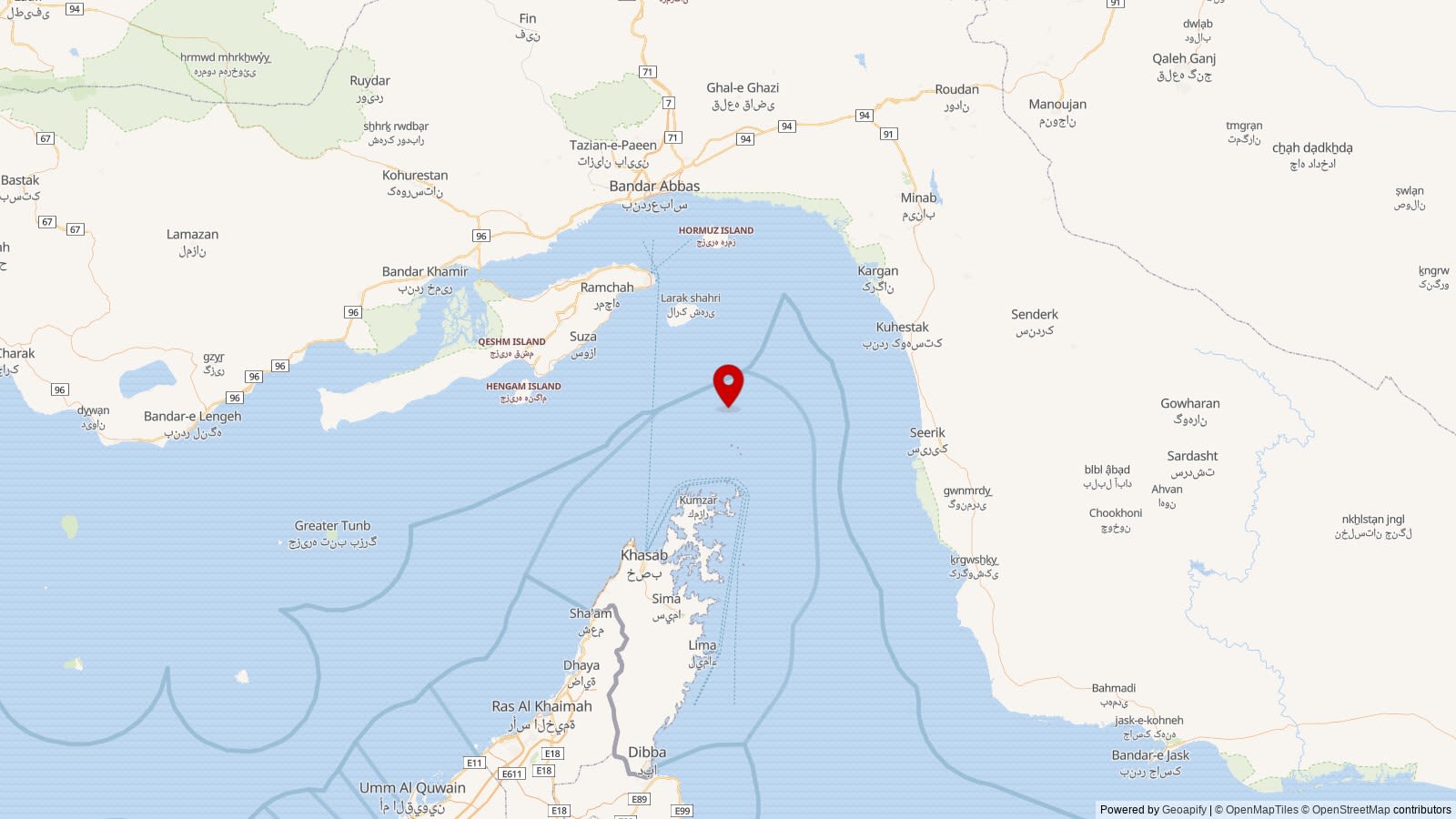
Iran's Islamic Revolutionary Guard Corps said an oil tanker caught fire in the southern Strait of Hormuz after striking a naval mine while travelling on an unauthorized route with its navigation systems switched off.
The statement follows earlier reports from Iranian state media that two supertankers, each carrying approximately two million barrels of crude oil, caught fire after hitting naval mines in the same waterway. State news agency IRNA said one vessel was attempting to cross the strait with United States support before catching fire, while the second was left immobilised.
Details regarding the names of the vessels, flag states, crew conditions, or potential oil spills have not been disclosed by Iranian authorities or verified by independent maritime monitors.
Rising tensions and transit restrictions
Iran took control of the Strait of Hormuz following the outbreak of conflict with the United States and Israel in late February. Tehran subsequently imposed transit rules requiring all commercial vessels to seek prior authorization from Iranian authorities before entering the waterway, through which roughly one-fifth of global crude oil supplies normally pass.
IRGC naval commander Rear Admiral Ali Azmaei stated recently that any vessel deactivating its automatic identification or positioning systems inside the zone would be classified as a hostile target. The United States has maintained a naval counter-blockade against Iranian oil exports while asserting that international shipping rights must be protected.
The frequency of maritime strikes around the chokepoint has escalated sharply. Maritime security firm Vanguard, the International Maritime Organization, and the United Kingdom Maritime Trade Operations reported six vessel attacks in or near the strait in a single day, marking the highest daily count since the war began.
| Date / Period | Daily Oil Transit Volume | Source |
|---|---|---|
| 8 October | 20.8 million barrels | Kpler |
| 11 October | 2.9 million barrels | Kpler |
Impact on global energy flows
The surge in attacks has drastically curtailed oil shipments passing through the narrow corridor. Energy tracking firm Kpler reported that daily crude oil flows through the Strait of Hormuz dropped from 20.8 million barrels on 8 October to 2.9 million barrels by 11 October, driving up energy prices and global inflation.
United States President Donald Trump told Newsmax that he has ruled out using nuclear weapons or deploying ground troops in Iran, adding that he expects a diplomatic settlement following the US midterm elections.
Key numbers
| What | Figure | Source |
|---|---|---|
| Supertanker Crude Cargo | 2 million barrels per vessel | Iran Islamic Revolutionary Guard Corps |
| Strait Oil Flow on 8 October | 20.8 million barrels per day | Kpler |
| Strait Oil Flow on 11 October | 2.9 million barrels per day | Kpler |
| Peak Single-Day Vessel Attacks | 6 vessels | Vanguard / IMO / UKMTO |
In this story
| Name | Role in the story |
|---|---|
| Islamic Revolutionary Guard Corps | Reported the naval mine explosions and enforced transit rules in the Strait of Hormuz. |
| Strait of Hormuz | Strategic shipping route where the tanker mine explosions occurred. |