
Iran urges US to accept seven-day proposal to reopen Strait of Hormuz
Foreign Minister Abbas Araghchi says the waterway could open within six days if Washington meets Tehran's terms, as maritime attacks escalate.
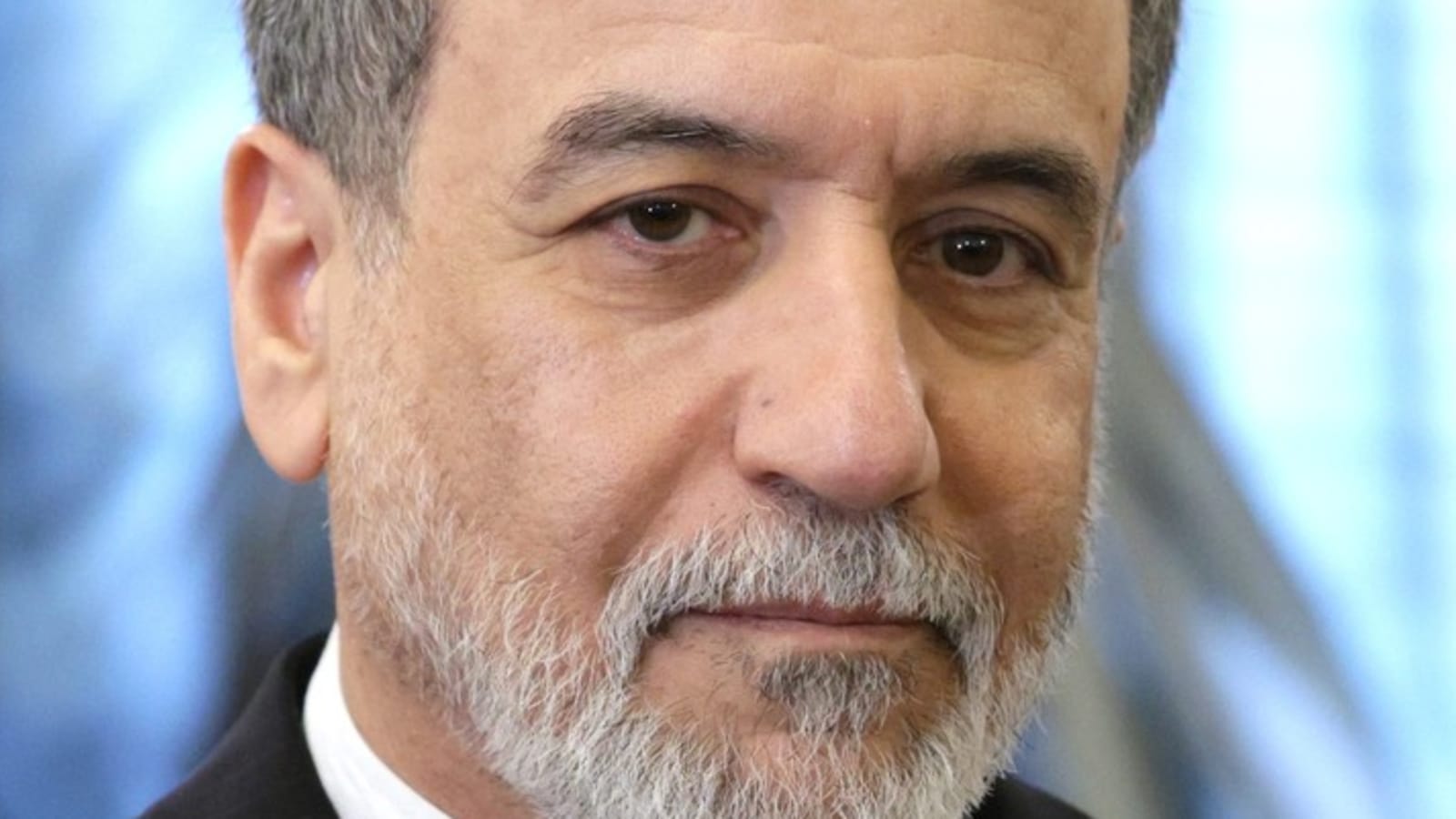
Iran has urged the United States to accept its proposal to reopen the Strait of Hormuz under a seven-day framework, as conflict across the waterway continues to disrupt global energy traffic.
Speaking on the sidelines of an Organisation of Islamic Cooperation meeting in Baghdad, Iranian Foreign Minister Abbas Araghchi said Tehran's offer remains active despite stalled negotiations. Under the Iranian terms, the strategic shipping channel would reopen on the sixth day after an agreement, with formal bilateral talks resuming on the seventh.
However, the proposal remains contingent on Washington meeting seven specific demands. Tehran is requiring an immediate end to the US naval blockade on its ports, the cancellation of sanctions on Iranian oil exports, and a complete cessation of military hostilities across the region.
What Washington and Tehran are demanding
Washington has so far refused to accept the terms without concessions on Iran's nuclear capabilities. US Vice President J.D. Vance stated earlier this month that Tehran must make tangible reductions to its uranium enrichment capacity before any war-ending deal can be finalised.
Meanwhile, the US military maintains that it retains control over the waterway despite ongoing hostilities. US Central Command chief Brad Cooper stated that 400 vessels carrying 100 million barrels of oil traversed the strait over the past week. Cooper added that the US naval blockade has deprived Iran of $25 billion in oil export revenue and seized $350 million in cryptocurrency funds linked to Tehran.
The conflict has severely curtailed shipping volumes through the vital corridor, which previously carried roughly one-fifth of global crude supply.
| Metric | Pre-war baseline | Current level | Primary source |
|---|---|---|---|
| Crude oil transit | 17.1 million bpd | 11.6 million bpd | Kpler |
| Brent crude oil price | Not disclosed | $110 per barrel | Market data |
| Outbound ship transits | Not disclosed | 125 vessels | UKMTO |
| Inbound ship transits | Not disclosed | 129 vessels | UKMTO |
Escalating attacks on Persian Gulf shipping
Despite diplomatic overtures, attacks on commercial traffic in and around the strait have intensified. The United Kingdom Maritime Trade Operations reported at least 12 confirmed attacks on vessels during the second week of October, noting that many shipmasters are refusing to report incidents.
Recent incidents include a tugboat damaged by two projectiles off the United Arab Emirates coast and a tanker struck by a rocket-propelled grenade off the Saudi city of Jubail.
Tensions also surround the cause of ship damage. The Islamic Revolutionary Guard Corps claimed a supertanker carrying two million barrels of oil caught fire after striking an underwater mine in an unauthorised lane. US Central Command disputed the claim, stating its forces had cleared mines from the channel and accusing Iranian forces of hitting civilian vessels with direct fire.
Iran's newly appointed Defence Minister Mehrdad Akhlaghi warned that any resumption or expansion of US military strikes would result in "enormous damage" to American forces and regional allies.
Key numbers
| What | Figure | Source |
|---|---|---|
| Current oil transit through Hormuz | 11.6 million barrels per day | Kpler |
| Pre-war oil transit baseline | 17.1 million barrels per day | Kpler |
| Brent crude price | $110 per barrel | Market data |
| Estimated US blockade impact on Iranian oil revenue | $25 billion | US Central Command |
| Weekly outbound vessel transits | 125 ships | UK Maritime Trade Operations |
Questions readers are asking
What are Iran's conditions for reopening the Strait of Hormuz?
Iran requires the United States to lift its naval blockade on Iranian ports, cancel sanctions targeting Iranian oil exports, and stop all military hostilities across the region.
How has the conflict affected global oil supply through the Strait of Hormuz?
Oil flows through the waterway have dropped from a pre-war baseline of 17.1 million barrels per day to 11.6 million barrels per day, driving Brent crude prices to $110 per barrel.
In this story
| Name | Role in the story |
|---|---|
| Abbas Araghchi | Iranian Foreign Minister presenting the seven-day proposal |
| United States | Target of Iranian proposal and leader of naval blockade |
| Iran | Nation proposing conditional reopening of the Strait of Hormuz |
| Strait of Hormuz | Strategic Persian Gulf waterway at the centre of maritime blockade and negotiations |


