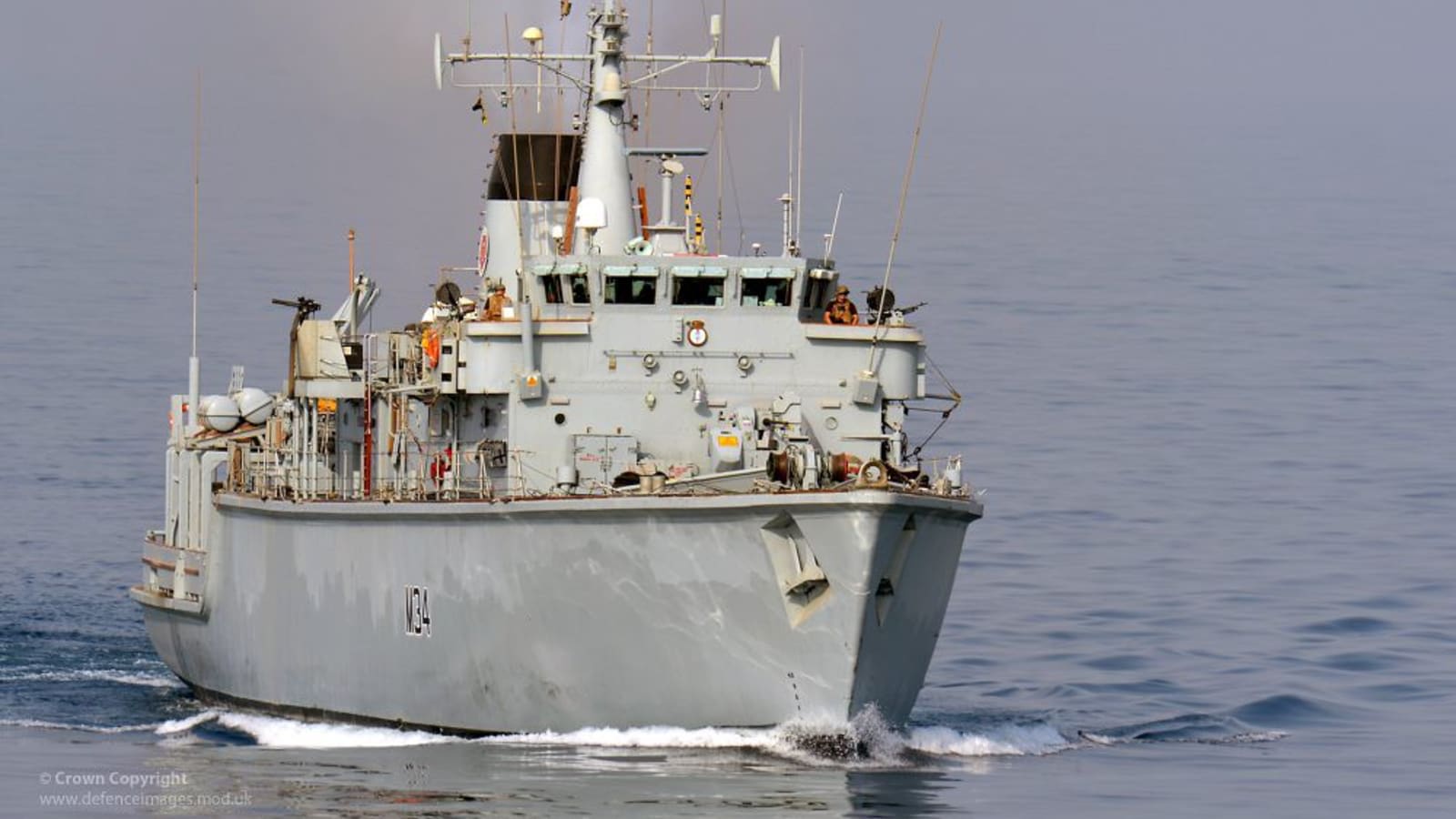
Gulf states and Iran plan emergency Oman talks to secure Strait of Hormuz shipping
The emergency meeting in Salalah comes as shipping traffic slows and Seoul resists US pressure to deploy naval assets to the strategic waterway.

What is happening in Oman?
Gulf foreign ministers are preparing to meet their Iranian counterpart in the Omani coastal city of Salalah on Monday, in an urgent push to secure a temporary deal to protect shipping through the Strait of Hormuz.
The meeting, first reported by the Financial Times, is being brokered by Oman and Iran. It comes as rising regional tensions threaten to choke commercial traffic through the world's most critical oil choke point.
Why is shipping slowing down?
Vessel traffic through the strait slowed early this week after Tehran threatened to retaliate against any new US military strikes. Data from tracking firm Kpler showed just seven commodity vessels sailed through the waterway on Monday, down from eight the day before.
Iran has warned that energy infrastructure across the Gulf, including American oil and gas assets, is highly vulnerable if the conflict escalates. The proposed interim deal aims to establish basic security guarantees to keep commercial vessels moving safely.
Where does South Korea stand?
Against this backdrop, South Korea is walking a delicate diplomatic line. On Friday, South Korean Foreign Minister Cho Hyun called Iranian Foreign Minister Abbas Araghchi to reassure him that Seoul has not yet decided whether to deploy military forces to the strait.
The US has been pressuring South Korea to join international patrols to secure the waterway. While Seoul sent a military fact-finding team to the United Arab Emirates earlier this week, Cho used the phone call—the sixth between the two ministers since the US-Iran conflict erupted in late February—to emphasise that no decisions have been made.
Any deployment is highly sensitive for South Korea. Under domestic law, sending troops overseas requires parliamentary approval, and several lawmakers from the ruling Democratic Party have already voiced strong opposition. If the government does go ahead, the military is reportedly considering sending maritime patrol aircraft, explosive ordnance disposal teams, and unmanned mine-clearing systems.
Who else is involved?
Tehran has made its opposition to foreign intervention clear. On Monday, Iranian foreign ministry spokesperson Esmaeil Baqaei warned that any foreign military presence in the Persian Gulf "will have serious consequences."
Diplomatic efforts to defuse the crisis are moving on multiple fronts. Beyond the upcoming talks in Oman, Pakistani army chief Asim Munir spoke with Araghchi on Thursday. A Pakistani security official said the two discussed restoring diplomatic channels to de-escalate Tehran's wider conflict with the US and addressing Houthi attacks on Saudi Arabia.
Key numbers
- 7
- 6