Nepal cuts wait to declare missing flood victims dead from 12 years to 45 days
An emergency ordinance will allow families of over 5,000 missing people to obtain death certificates and access compensation.

What changed in Nepal's disaster laws
Nepal’s President Ram Chandra Poudel has signed an emergency ordinance that slashes the legal waiting period to declare missing disaster victims dead from 12 years to 45 days. Issued on the recommendation of Prime Minister Balendra Shah’s cabinet, the change took effect immediately, coming just as the 45-day milestone since August's disastrous floods approached.
Under Nepal’s prior civil code, families were required to wait a full 12 years before a missing person could be declared legally dead. Government spokesman Sasmit Pokharel confirmed the cabinet’s decision to update the timeline, and presidential press adviser Kiran Pokharel confirmed that the disaster law amendments had been formally signed.
The policy shift removes a major legal obstacle for grieving families. Without official death certificates, relatives had been unable to settle bank accounts, transfer property titles, resolve inheritance, or claim insurance payouts and government relief funds.
What caused the disaster
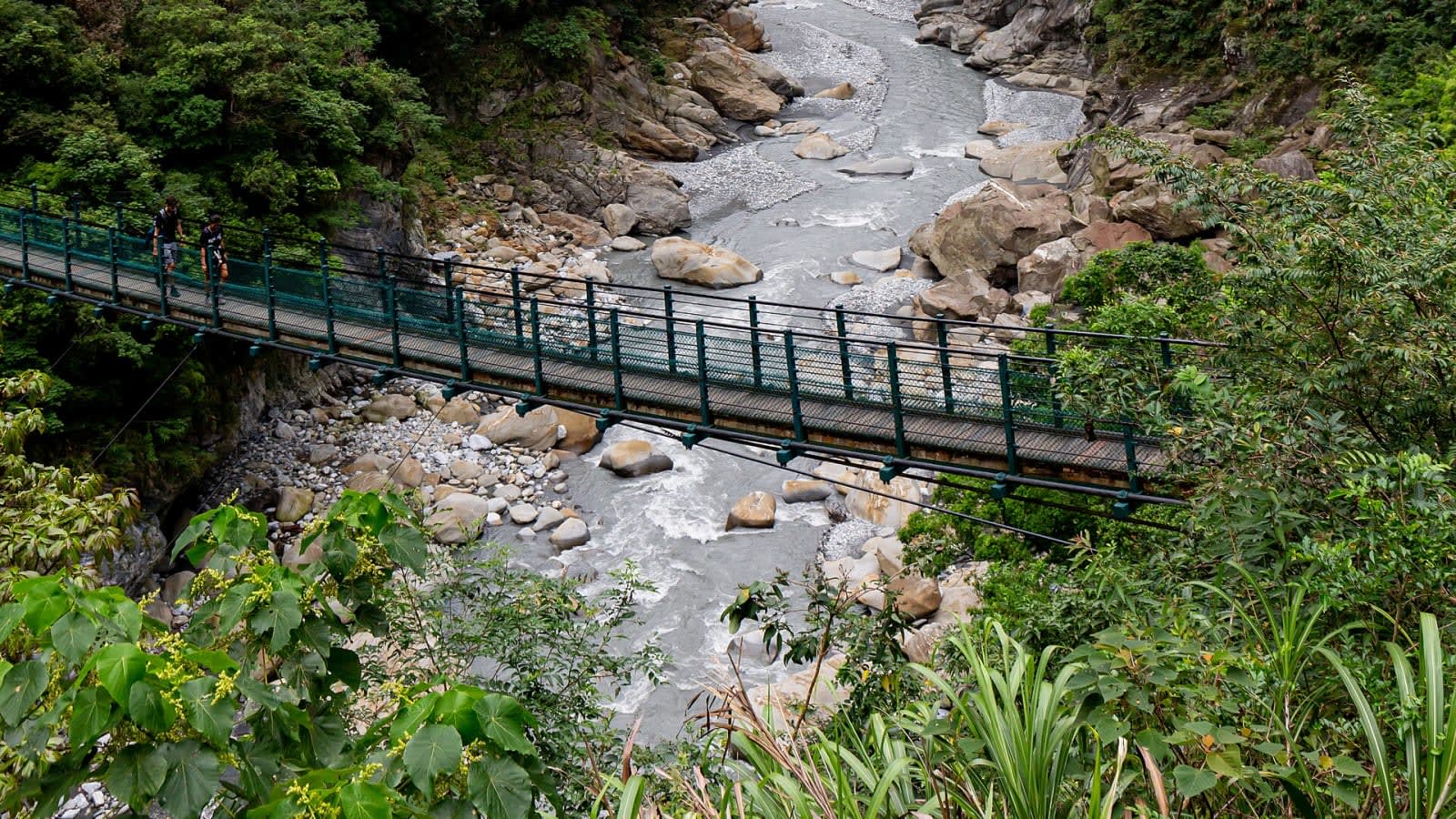
The crisis began on August 26 when a massive mountain and glacier collapse on the border between China and Nepal sent torrential floodwaters down Himalayan river valleys. The sudden surge swept through multiple districts, destroying bridges, highways, and hydropower stations.
Official figures indicate that more than 1,400 people died in the inundation, while 5,285 remain missing. Emergency workers spent weeks sifting through metres of mud, silt, and wrecked building foundations searching for remains. However, search and recovery operations yielded few results, with only 112 bodies identified and handed over to families so far.
With little chance of recovering more bodies from thick sediment deposits, many families had already performed traditional symbolic cremation rites using effigies. The ordinance gives legal recognition to what those families had already accepted in practice.
How compensation for foreign victims will be handled
The list of missing people includes hundreds of foreign nationals, among them at least 189 citizens from neighbouring India.
For Indian families seeking death certificates, the process will require proof that the missing individual was present in the flood zone on August 26. The Indian Embassy in Kathmandu will coordinate with Nepalese officials to verify identities and location details. Local civil registration offices will then issue certificates based on police reports, national identity documents, and diplomatic certification.
While the death certificates will allow foreign families to pursue inheritance and insurance claims in their home countries, Nepalese officials have not yet confirmed whether foreign nationals will be eligible for financial aid under Nepal's domestic disaster relief schemes.
Key numbers
| What | Figure | Source |
|---|---|---|
| New legal wait period | 45 days | Government of Nepal emergency ordinance |
| Previous legal wait period | 12 years | Nepal Civil Code |
| Total missing from August flood | 5,285 | Nepalese government estimates |
| Missing Indian nationals | At least 189 | Nepalese and Indian government records |
| Bodies identified | 112 | Nepalese emergency authorities |
In this story
| Name | Role in the story |
|---|---|
| Nepal | Country where the flood occurred and disaster laws were changed. |
| Ram Chandra Poudel | President of Nepal who signed the emergency ordinance. |