Saudi Arabia advisory: India tells citizens to stay indoors as regional strikes mount
The Indian embassy has advised nationals to take immediate shelter during aerial alerts as foreign militaries step in to defend key oil hubs.

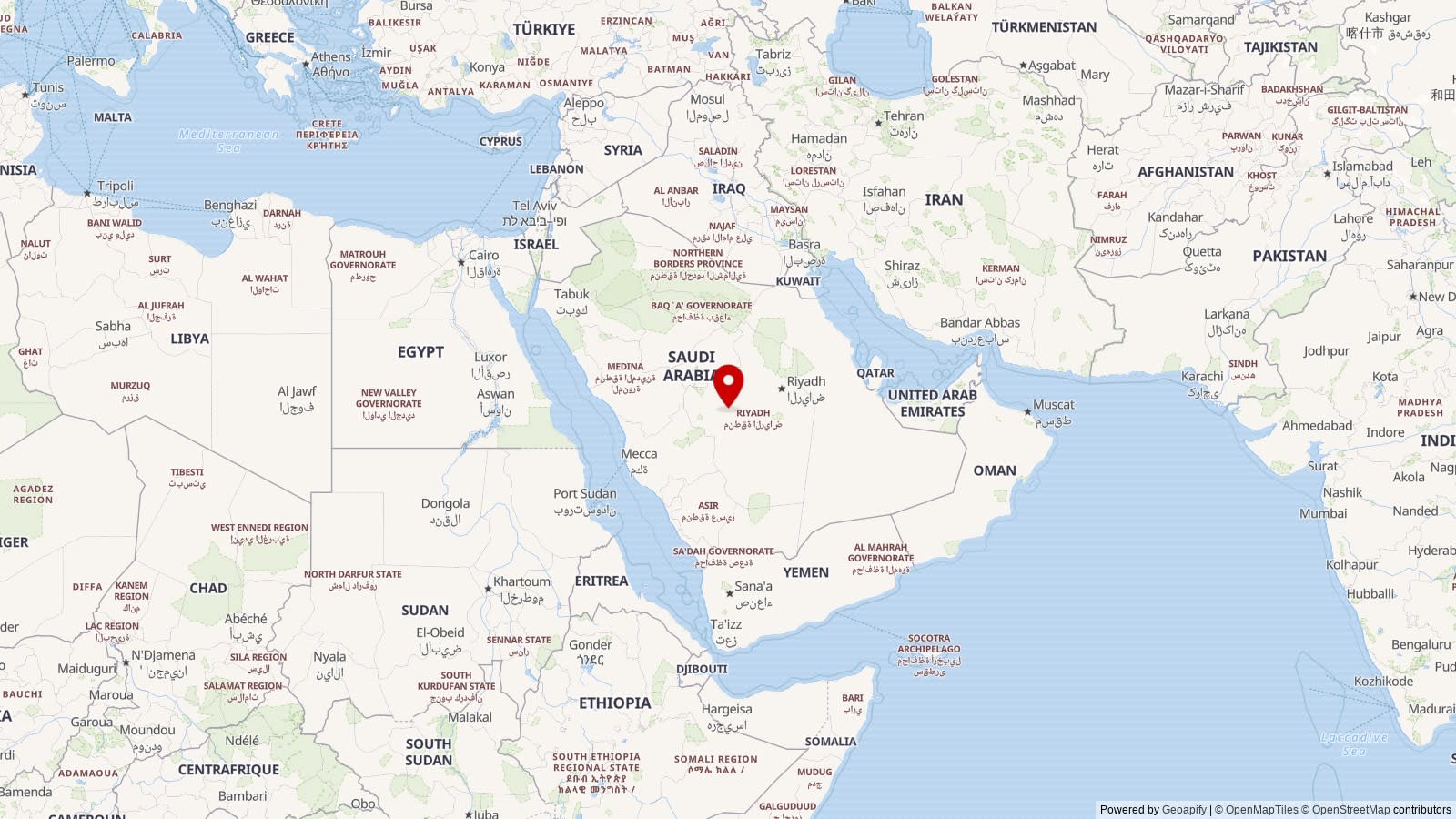
India has issued a fresh security advisory instructing its nationals across Saudi Arabia to stay indoors and seek immediate shelter in the event of aerial attacks, following an escalation in regional drone and missile strikes.
The alert reflects swift diplomatic vigilance from New Delhi to safeguard the large Indian expatriate community residing in the kingdom. Indian authorities advised residents to remain alert, monitor official notifications closely, and avoid moving out unnecessarily during emergency sirens or reported strikes.
What the advisory says
The advisory calls on Indian citizens to exercise caution and adhere strictly to standard safety drills. In the event of an aerial alert or incoming missile threat, nationals are instructed to stay inside reinforced structures, stay away from windows and open areas, and follow local civil defence directives without delay.
Indian diplomatic missions in Riyadh and Jeddah remain on high alert to assist citizens, maintaining round-the-clock contact lines as regional tensions test Gulf airspace.
French military deployment begins
The alert follows France confirming that it has started operational deployment of military hardware to defend Saudi Arabia's critical energy infrastructure. Paris announced that it is sending military personnel, radar networks, and surface-to-air defence systems to safeguard key installations, specifically the Yanbu oil terminal.
Yanbu, situated on the Red Sea coast, serves as the critical western terminal for Saudi Arabia's East-West pipeline, offering an export route that circumvents the vulnerable Strait of Hormuz. French foreign ministry spokesperson Pascal Confavreux confirmed the rollout, noting that operational elements of the bilateral defence arrangement are now taking effect.
| Location | Strategic asset | Key function |
|---|---|---|
| Yanbu | Oil export terminal | Endpoint of East-West pipeline, bypasses Hormuz |
| Red Sea corridor | Shipping lane | Target of Houthi maritime blockade and strikes |
| Aden | Command centre | Regional coalition coordination base hit by Houthis |
Widening regional risks
The defensive build-up comes after sustained strikes by Houthi forces originating from Yemen and regional escalation involving Iran. Houthi militants have maintained pressure along maritime passages since July, while also targeting coalition infrastructure in places such as Aden.
While Saudi Crown Prince Mohammed bin Salman previously engaged traditional partners in Washington regarding enhanced security support, the United States has largely restricted its recent assistance to intelligence sharing. That reluctance prompted Riyadh to lean into defence ties with European partners like France to fortify air defences.
For New Delhi, ensuring the safety of millions of Indian workers in the Gulf remains an absolute foreign policy priority. The Indian government has demonstrated proactive crisis response across West Asia over recent months, tracking developments in real time to guarantee that Indian citizens receive clear, timely guidance as defensive systems mobilise across Saudi skies.
Key numbers
| What | Figure | Source |
|---|---|---|
| Key protected site | Yanbu oil terminal | French presidency |
| French assets deployed | Soldiers, radars, defence systems | French presidency |
| Primary advisory directive | Stay indoors during aerial attacks | Indian diplomatic advisory |
In this story
| Name | Role in the story |
|---|---|
| India | Issued safety advisory to protect its expatriate community in Saudi Arabia. |
| France | Deploying military systems to defend Saudi oil installations. |
| Saudi Arabia | Host nation facing aerial threats and mobilising infrastructure defence. |