
Saudi Arabia denies reports of Mecca Grand Mosque suicide bomber
Officials clarified that a man was detained for harassing worshippers and spreading fear, not for an attempted bombing.
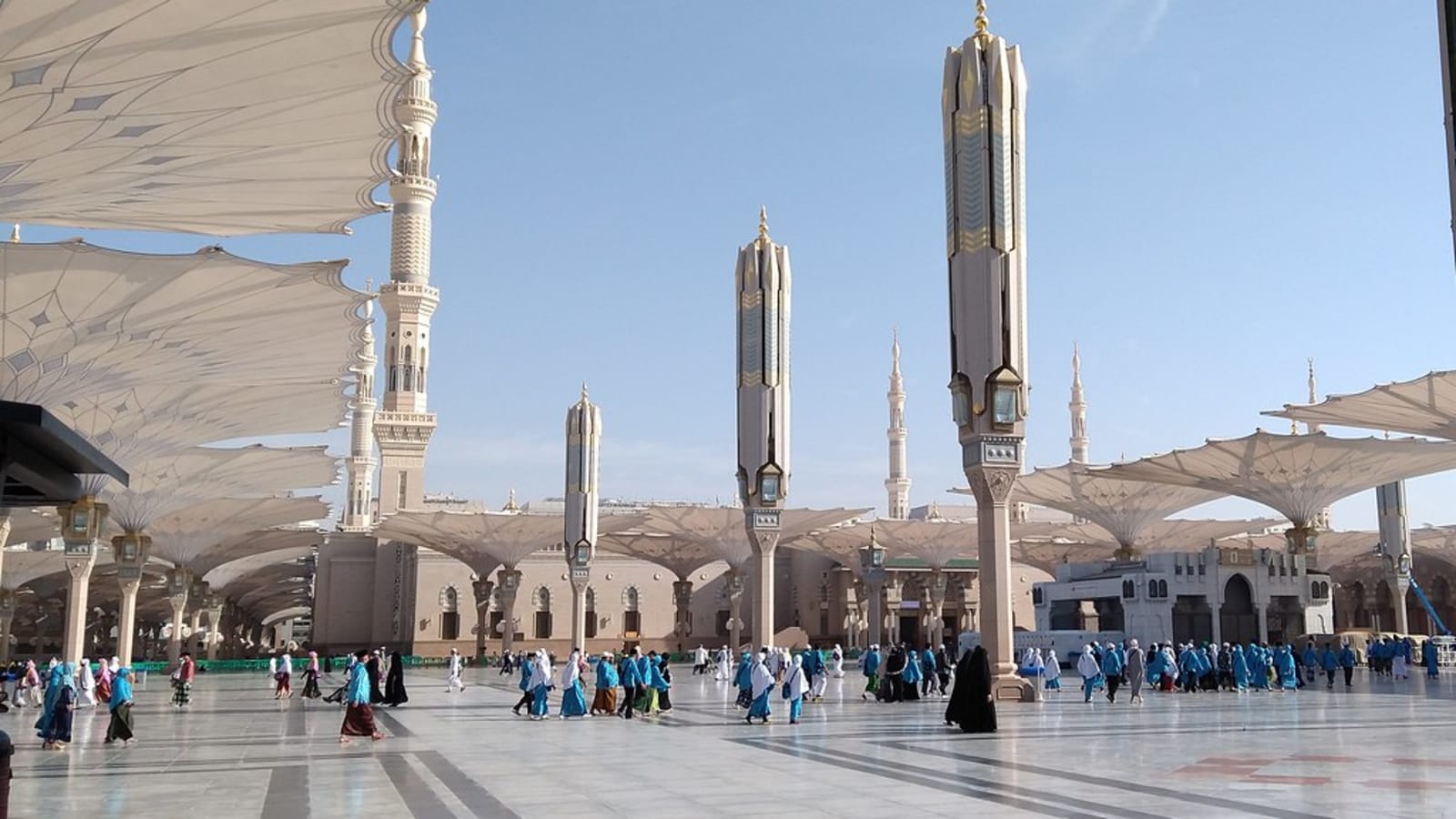
Saudi Arabian security forces have dismissed viral social media reports claiming a suicide bomber attempted to blow up the Grand Mosque in Mecca, Islam's holiest site.
The panic began when videos circulated widely online, accompanied by claims that a suspect wearing an explosive belt had tried to approach the Kaaba—the sacred stone structure at the centre of the mosque. Some of the unverified online posts went as far as suggesting the incident was part of an attempted attack by the Yemen-based Houthi movement.
However, Saudi authorities quickly moved to clarify the situation, stating that the reality was far more mundane, if still highly disruptive.
In a statement published on the social media platform X, security officials in Mecca confirmed that they had indeed arrested a man inside the mosque, but not for terrorism. Instead, they said the individual was detained after he began harassing worshippers and passersby, creating a scene that spread fear and panic among the crowd.
"The security authorities in the holy capital have detained a person who was harassing passersby and spreading panic," the official statement read, adding that immediate legal measures had been taken against him. The authorities explicitly declared that the online claims of a failed suicide bombing were entirely false.
The statement did not release the name or nationality of the detained man, nor did it provide further details on what exactly he was doing to cause the panic.
Geopolitical tensions fuel rumors
The Grand Mosque, or Al-Masjid al-Haram, is the largest mosque in the world and surrounds the Kaaba, the cube-shaped structure towards which Muslims worldwide pray five times a day. During peak times of pilgrimage, the vast marble courtyards are packed with tens of thousands of worshippers, meaning any sudden disturbance can easily trigger a dangerous stampede.
This high-density environment explains why security forces responded so rapidly both on the ground and online to stamp out the rumor before it could trigger further panic among pilgrims.
The false reports also landed in a highly charged political atmosphere. Saudi Arabia has been leading a military coalition in Yemen since 2015 against the Houthi rebels, who have previously launched drone and missile attacks targeting Saudi airports, energy infrastructure, and cities. Because of this history, claims of a security breach at a major Saudi landmark are treated with extreme seriousness by both the public and state security agencies.
In tandem with the Mecca rumors, unverified reports had also surfaced claiming that Houthis had targeted a power distribution station in Medina, the city that houses the Prophet’s Mosque.
The Houthi movement has strongly denied all of these allegations. Representatives for the group rejected the Medina power station claims and stated they had not targeted either of Islam’s two holiest cities.
For now, the Grand Mosque remains secure, with Saudi security forces maintaining their usual high-alert presence to manage the millions of pilgrims who visit the site each year. Officials have urged the public not to share unverified footage or believe social media rumors, advising instead that people rely on official channels for security updates.
Key numbers
| What | Figure | Source |
|---|---|---|
| People arrested | 1 | Saudi security authorities statement on X |
In this story
| Name | Role in the story |
|---|---|
| Saudi Arabia | The country where the incident occurred and whose authorities issued the denial. |
| Mecca | The holy city where the Grand Mosque is located. |
| Grand Mosque | The site of the disruption and the false bombing rumors. |


