Sweden faces razor-thin election as far right eyes cabinet seats
Sweden’s centre-left opposition holds a fragile lead in the final hours of a campaign that could reshape the country's political order.
Sweden goes to the polls on Sunday in a general election so tight it could either return the centre-left to power or bring a far-right party into government for the first time in the country’s history.
While the centre-left opposition alliance led by former Prime Minister Magdalena Andersson has held a steady lead for months, that margin has shrunk to a razor-thin gap in the final hours of campaigning. A Dagens Nyheter/Ipsos poll on Friday showed just 0.3 percentage points separating the two blocs—a split that would give Andersson’s side 175 parliamentary seats to the right's 174.
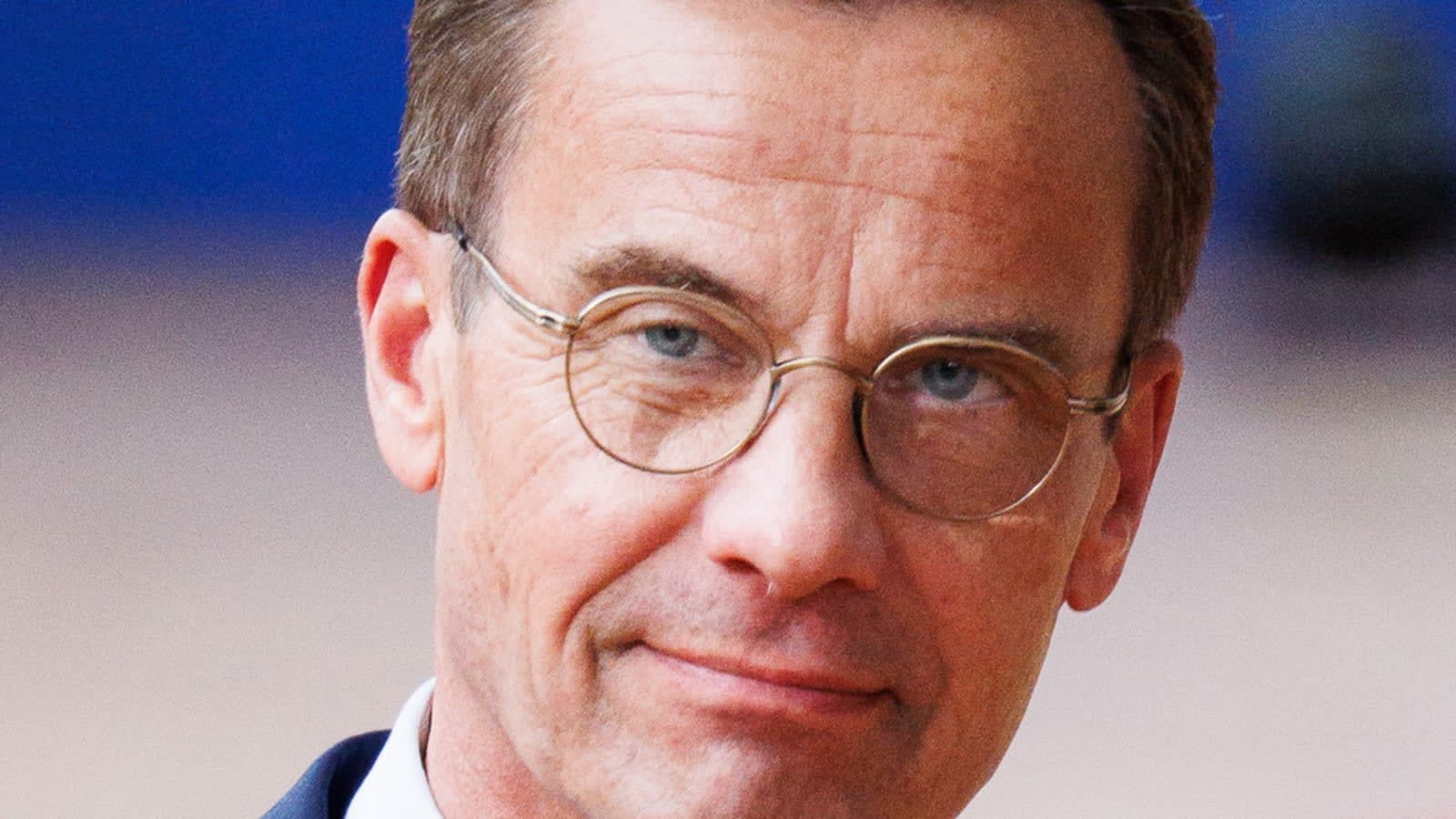
The stakes are historically high for Sweden's political order. Four years ago, the current conservative Prime Minister, Ulf Kristersson, broke a decades-old political taboo by striking a deal with the anti-immigration Sweden Democrats to prop up his minority coalition.
Now, Kristersson has gone further. If his right-wing bloc wins a majority, he has promised the Sweden Democrats formal cabinet roles. The party's leader, Jimmie Åkesson, is reportedly demanding between 12 and 14 ministerial portfolios.
That prospect has deeply polarised voters. For some, like 79-year-old pensioner Kurt Flodin, keeping Kristersson in power is essential to continue a heavy crackdown on organised crime. "The most important thing is that the right wing wins, to continue what they have started," Flodin said.
But others fear what a government with far-right ministers would mean for Sweden's social fabric and its international standing. John Stauffer, legal director at Civil Rights Defenders, said the outgoing government has already overseen major shifts in crime and immigration policy, including lowering the age of criminal responsibility and deporting teenagers.
Under a government featuring the Sweden Democrats, Stauffer warned, Sweden’s long-standing reputation as a global human rights champion would continue to slide. Even if the Social Democrats win, Stauffer pointed out, they have also moved rightward on crime and integration to win back voters, meaning a left-wing victory is unlikely to trigger a major rollback of these hardline measures.
The final days of the campaign were further jolted by security concerns. Following a revelation by the extremism watchdog Expo that a Sweden Democrat civil servant had spent years sharing pro-Russian propaganda, Andersson used a final televised debate to attack the right. She warned voters against handing "the keys to the defence ministry" to a party "infiltrated by friends of Putin."
Kristersson and his allies have focused their closing pitches on the economy and living costs, arguing that tax incentives and growth are needed to help people buy homes.
Even if Andersson’s bloc secures a majority on Sunday night, actually forming a government could take weeks or months. Her four-party alliance is deeply fractured on policy, meaning the post-election horse-trading will be long and difficult for whoever comes out on top.
Key numbers
- 0.3 percentage points
- 20.5%
- 12 to 14
- 50.8% to 47.6%