Swedish Prime Minister Ulf Kristersson resigns after narrow election defeat
Ulf Kristersson steps down after his conservative alliance is squeezed out by a razor-thin margin, bucking Europe's right-wing trend.
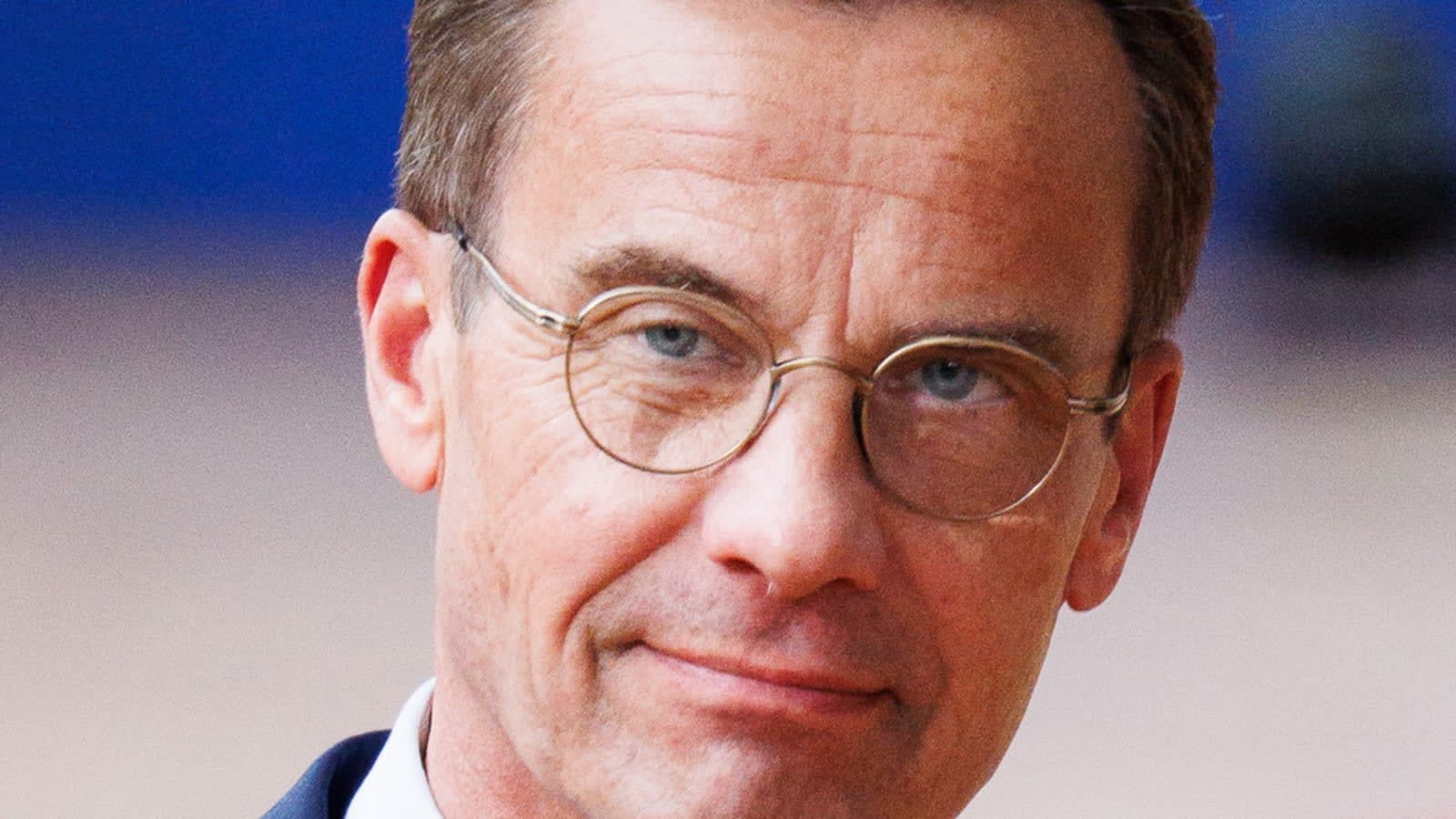
Swedish Prime Minister Ulf Kristersson resigned on Thursday after his right-wing coalition narrowly lost the country's general election to the centre-left opposition.
The vote on Sunday ended with a razor-thin margin, with preliminary figures showing just 50,000 votes separating the two major political alliances. The centre-left bloc, led by Magdalena Andersson’s Social Democrats, is projected to win 176 seats in the 349-seat Riksdag. Kristersson’s conservative bloc is set for 173.
Kristersson announced his resignation on social media, paving the way for the Speaker of parliament to begin negotiations for a new government. "Now it is the speaker who will lead the next stage of the way to a new government. I am herewith requesting that I be relieved of the office of prime minister to allow that work to start immediately," Kristersson wrote.
Andersson, who served as Prime Minister until 2022, welcomed the outcome. "The Swedish people have voted for a new direction for our country," she said in an address on Instagram.
What happens next
Forming a new government in Stockholm is rarely quick. Andersson has already started discussions with the Left, Centre, and Green parties, but finding common ground on taxation and economic policy will be difficult. It took 37 days to build a coalition after the 2022 election, and 134 days in 2018.
Kristersson warned that the incoming opposition faces "complicated" conditions, pointing to conflicting promises made by the centre-left parties during the campaign. Under Swedish protocol, the Speaker of the Riksdag will now meet with all party leaders before proposing a candidate for prime minister, who must then survive a parliamentary vote.
Why the far-right retreated
The setback dealt to the anti-immigration Sweden Democrats is the most striking shift in this election. The party, which has roots in the neo-Nazi movement of the 1980s but rebranded to gain mainstream influence, had been the parliamentary spine of Kristersson's government.
Kristersson had promised them formal cabinet roles if he won. Instead, the party’s share of the vote fell by three percentage points compared to 2022. This marks the first time the Sweden Democrats have lost support in a general election since they first entered parliament in 2010, sliding from the country's second-largest party to its third.
This retreat stands out in a European political climate dominated by far-right gains. However, political scientists caution that the party's influence is unlikely to vanish overnight. Mainstream Swedish parties, including the Social Democrats, have spent years adopting tougher rhetoric on immigration and crime to match the Sweden Democrats' rise. Observers expect those policy shifts to remain deeply embedded in Swedish politics, regardless of who sits in the next cabinet.
Key numbers
- 176
- 173
- Approximately 50,000 votes
- 3 percentage points