Trump waives new Russia sanctions, drawing praise from Moscow and anger in Kyiv
The US president has issued an executive order suspending energy tariffs and banking restrictions passed by Congress.

US President Donald Trump has signed an executive order waiving a sweeping package of new sanctions against Russia, invoking executive authority to suspend measures that were due to take effect this week.
The decision halts penalties passed by Congress under the Lindsey O. Graham Sanctioning Russia and Iran Act of 2026. The legislation had aimed to restrict Russian financial institutions, clamp down on its shadow fleet of oil tankers, and levy tariffs of up to 100 per cent on nations importing Russian energy.
The White House stated in the order that waiving the restrictions was necessary in the US national interest. The move follows recent arrangements by Washington to purchase Russian diesel to temper global energy prices, with Russia agreeing to supply 300,000 metric tons immediately, followed by 500,000 tons in November and a further 1 million tons shortly after.
Moscow welcomed the suspension. Kirill Dmitriev, an envoy for Russian President Vladimir Putin, called the waiver an "important and truly historic moment" on social media, arguing that enforcing the act would have damaged global energy markets and halted economic cooperation.
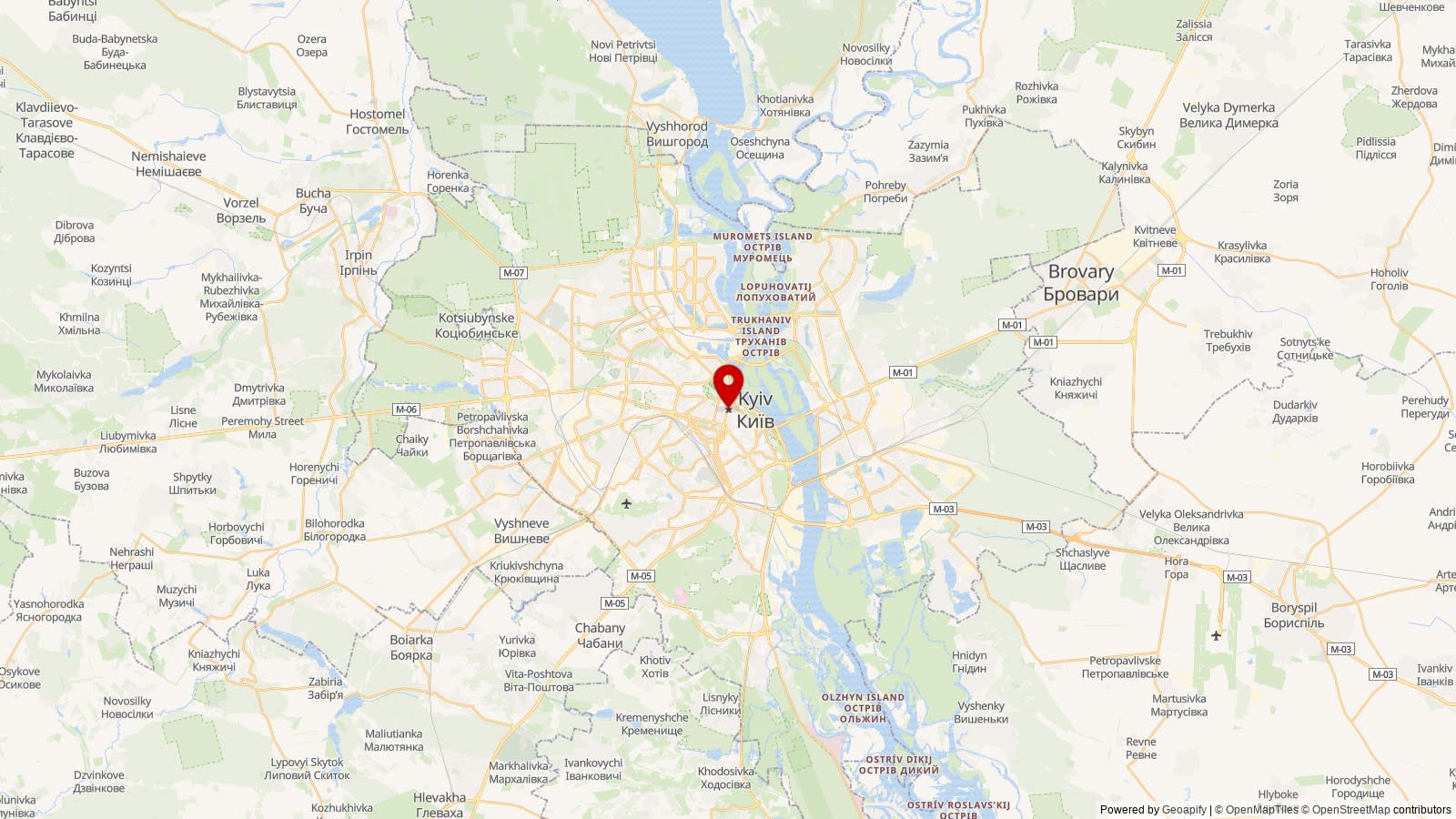
In contrast, Ukrainian President Volodymyr Zelenskyy criticized the move during a meeting with European leaders in Brussels, warning that lifting sanctions would reopen revenue flows to fuel Russia's military campaign. Ukrainian officials reported fresh Russian strikes in Kherson and Kyiv shortly after the executive order was issued.
The waiver also provides vital relief to major energy-importing nations, including India and China, who faced potential tariff penalties under the act for continuing oil purchases from Moscow. Indian officials had previously cautioned that secondary tariffs could disrupt international trade and bilateral economic ties.
| Measure | Congressional Act Provisions | Executive Order Waiver Impact |
|---|---|---|
| Energy Tariffs | Up to 100% on top Russian oil importers | Suspended under national interest waiver |
| Shadow Fleet | Sanctions on tankers bypassing price caps | Restrictions placed on hold |
| Banking Sector | Broad sanctions on Russian financial firms | Implementation paused |
| Energy Supplies | Strict limits on Russian fuel exports | US agreements to import Russian diesel |
US lawmakers have expressed mixed reactions. While the administration maintained that flexibility is needed to negotiate an end to the conflict and lower domestic fuel prices ahead of US elections, several senators and representatives criticized the decision as defying the intent of Congress.
Key numbers
| What | Figure | Source |
|---|---|---|
| Initial Russian diesel supply to US | 300,000 metric tons | US President Donald Trump |
| Maximum potential tariff under Graham Act | 100% | Lindsey O. Graham Sanctioning Russia and Iran Act of 2026 text |
| November Russian diesel delivery target | 500,000 metric tons | US President Donald Trump |
In this story
| Name | Role in the story |
|---|---|
| United States | Country whose executive branch issued the waiver. |
| Donald Trump | US President who signed the executive order waiving sanctions. |
| Russia | Target country of the waived sanctions package. |