US imposes sanctions on International Criminal Court
Washington blocks transactions with the tribunal hours after a former ICC judge is awarded the Nobel Peace Prize.
US sanctions target the court
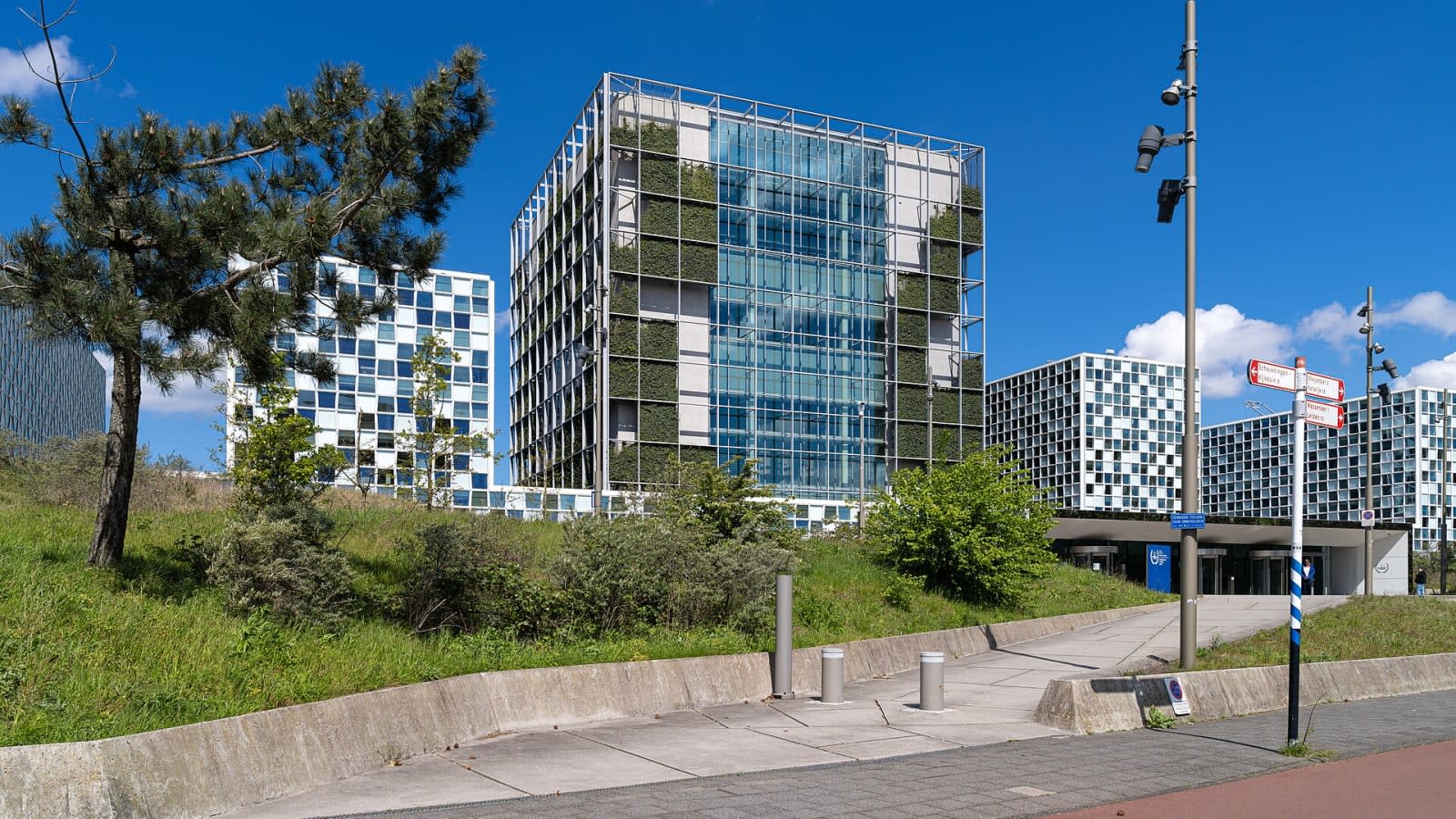
The United States has imposed sanctions and a transaction ban on the International Criminal Court, triggering a fierce response from the tribunal, which condemned the measures as an "assault on the rule of law".
US Secretary of State Marco Rubio announced the restrictions on Friday, calling the institution a "rogue court" and declaring that Washington would block all transactions with it. The move represents a sharp escalation in the campaign by President Donald Trump's administration against the international tribunal.
The sanctions were enacted at a highly symbolic moment, coming just hours after a former judge of the International Criminal Court (ICC) was awarded the Nobel Peace Prize.
The ICC responds
In a strongly worded statement, the Hague-based court warned that "history will judge this moment". The ICC said the American measures strike at the "very foundations of the international legal order" and violate the basic principle that "no one stands above the law".
According to the court, the sanctions are a direct attempt to intimidate its staff and disrupt its legal proceedings. However, the tribunal's leadership insisted that the pressure from Washington would not force them to back down or alter their work.
"The Court will continue to fully discharge its mandate, with independence and impartiality, acting only on the basis of the law and the evidence, for the sake of the countless victims of grave crimes," said ICC President Tomoko Akane.
Appeal to member states
With its operations threatened by the US measures, the court made an urgent appeal to the 125 countries that are members of the ICC, telling them they must now take a stand to protect the institution.
"Its fate now rests also in the hands of the states that created it," the court's statement said. "Future generations, and above all the victims of mass atrocities, will ask how we responded when an institution created to protect them came under attack."
The conflict marks a major crisis for the global judicial system, pitting the world’s most powerful nation against the primary international body responsible for prosecuting genocide, war crimes, and crimes against humanity. How those 125 member states respond in the coming days will likely determine whether the court can continue to function effectively under intense diplomatic and economic pressure from Washington.
Key numbers
| What | Figure | Source |
|---|---|---|
| Number of ICC member states called on to support the court | 125 | International Criminal Court |
In this story
| Name | Role in the story |
|---|---|
| United States | The nation imposing sanctions and transaction bans. |
| Tomoko Akane | President of the International Criminal Court. |
| International Criminal Court | The international tribunal targeted by US sanctions. |
| Marco Rubio | US Secretary of State who announced the sanctions. |