China's economic slump deepens as retail sales and lending falter
August data shows slowing consumer spending, falling investment and a collapse in loan growth, testing Beijing's cautious approach to stimulus.
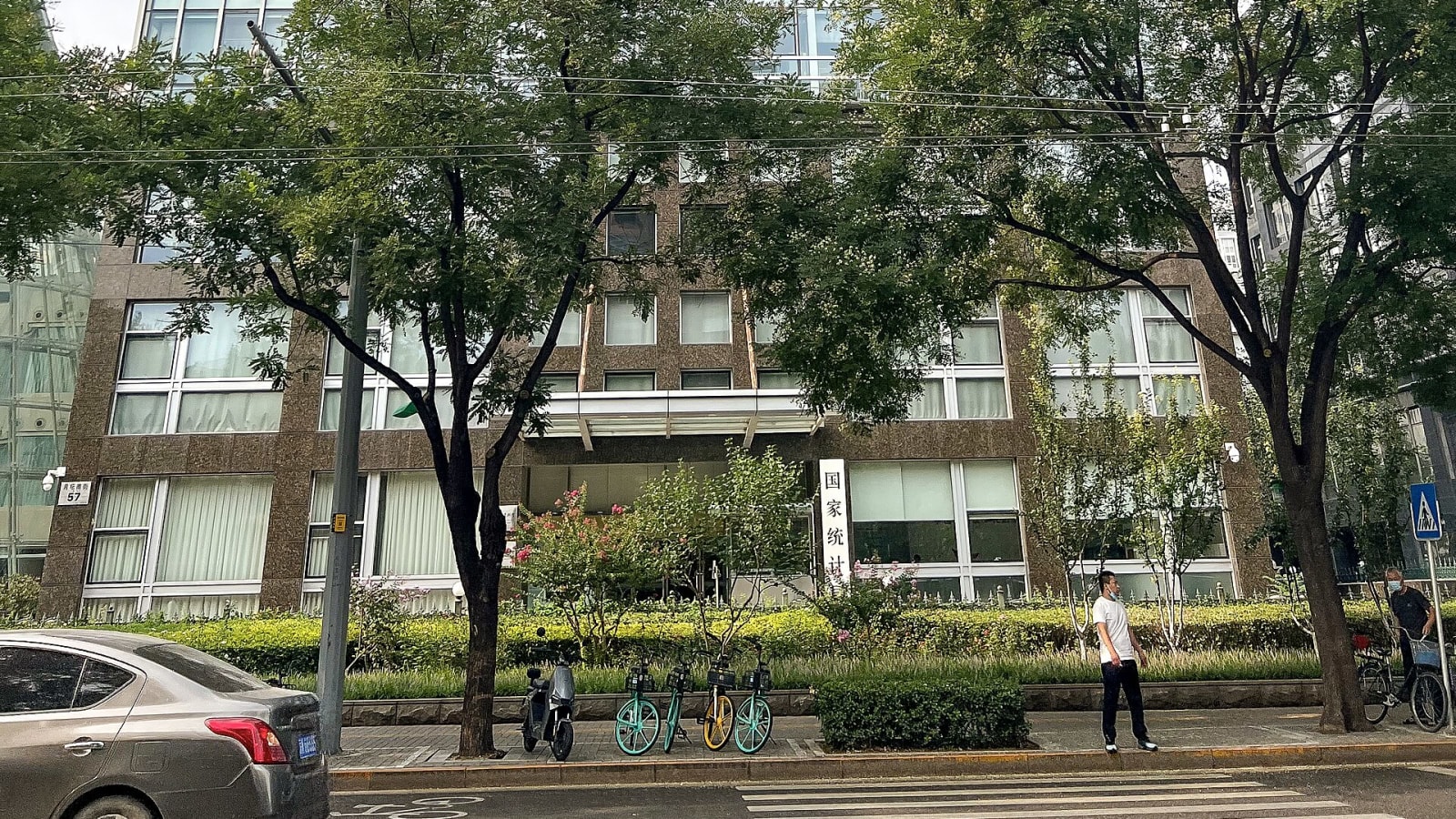
China's economic slowdown deepened in August as consumer spending slowed to a crawl, investment fell further and bank lending collapsed. The raft of weak data has heightened fears that Beijing will miss its annual growth targets without a significant injection of state support.
What happened to China's economy in August?
Figures released on Tuesday by the National Bureau of Statistics showed retail sales grew by just 0.4% in August compared to a year earlier. That is a slowdown from the 0.6% growth seen in July, and fell short of the 0.8% expansion economists had expected.
At the same time, the country's investment slump worsened. Urban fixed-asset investment, which includes spending on infrastructure and property, fell by 7.2% in the first eight months of the year compared to the same period last year. That is a faster decline than the 6.7% drop recorded between January and July.
The official data paints a picture of an economy firing on only one cylinder. While factories continue to churn out goods—industrial output grew by 5.2% in August, beating forecasts—there are few domestic buyers for them.
Why is demand so weak?
The National Bureau of Statistics acknowledged this friction, warning of an "acute" imbalance between "strong supply and weak demand". The bureau noted that the global environment is becoming more challenging and that many domestic businesses are struggling to stay afloat.
Jobs are also becoming harder to find. The urban unemployment rate ticked up to 5.3% in August, up from 5.2% the previous month.
Perhaps the most alarming signal for policymakers is the reluctance of businesses and households to take on new debt, despite efforts to encourage borrowing. Chinese banks extended just 60 billion yuan ($8.95 billion) in new loans in August. Analysts had expected a figure closer to 400 billion yuan. This sluggish demand dragged outstanding loan growth down to 4.9%, the slowest rate on record.
What does this mean for Beijing's policy?
Beijing has set an annual economic growth target of between 4.5% and 5% for the year. However, momentum is slipping. Second-quarter growth slowed to 4.3%, its weakest pace in over three years, as the long-running property slump continues to drag down consumer confidence.
So far, the government has avoided major, high-spending stimulus packages, preferring targeted, incremental measures to support specific industries. But with the domestic economy struggling to absorb what its factories are producing, pressure is mounting for a change of tack.
Economists at ANZ Research suggested that September could offer a critical opportunity for the government to act and restore confidence before the Golden Week holidays in October. They expect Beijing to focus on increasing government spending rather than cutting interest rates.
Key numbers
- 0.4%
- 7.2%
- 5.2%
- 5.3%
- 60 billion yuan ($8.95 billion)
- 4.3%