Yes Bank AT1 bonds: investors seek unpaid coupons after Supreme Court verdict
Holders turn to Axis Trustee after an 18 October interest payment was missed, while the private lender prepares a review petition.

Investors holding Yes Bank Additional Tier-1 bonds have demanded an immediate explanation after a scheduled coupon payment went unpaid on 18 October, just three days after the Supreme Court overturned the lender's 2020 write-off of the debt.
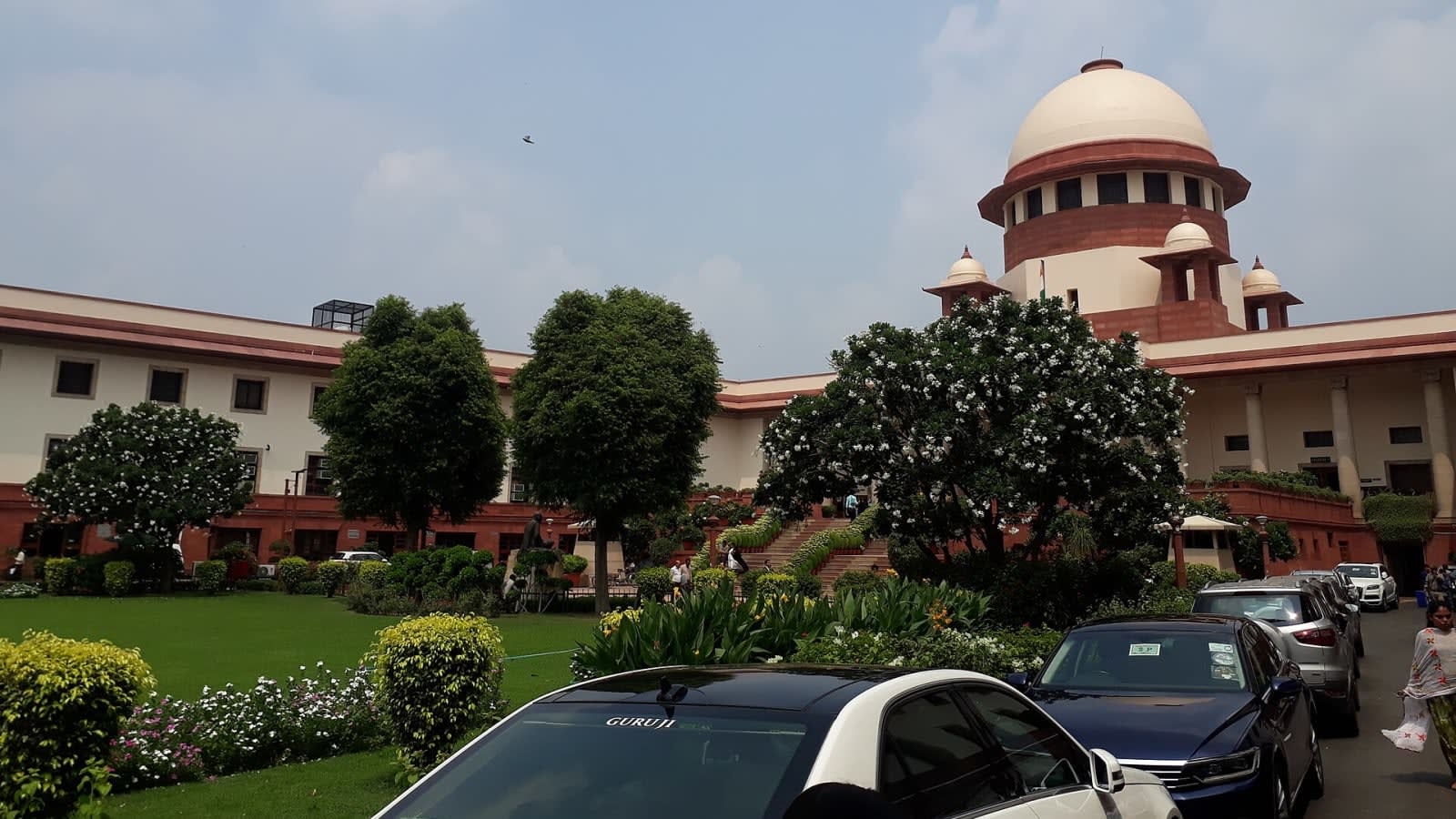
The apex court on 15 October dismissed appeals filed by Yes Bank, the Reserve Bank of India, and the central government, upholding a January 2023 Bombay High Court ruling that quashed the cancellation of ₹8,415 crore worth of AT-1 debt.
With the instruments restored in law, bondholders expected regular cash flows to resume. When the annual payout on the bank's 9% notes failed to arrive on Friday, an association representing retail bondholders wrote to Axis Trustee Services seeking formal intervention.
"We call upon the Trustee to obtain immediate written confirmation from Yes Bank as to whether this coupon has been paid, cancelled, or remains outstanding," the investor group wrote in its letter.
What happens next with the coupons
A second annual coupon on a separate tranche of 9.5% perpetual bonds is scheduled for 23 December. Bondholders have asked the debenture trustee to establish the operational mechanics well ahead of that date, including record dates and beneficial ownership lists.
| Bond tranche | Coupon rate | Due date | Payment status |
|---|---|---|---|
| Tranche 1 | 9.0% | 18 October | Unpaid |
| Tranche 2 | 9.5% | 23 December | Pending clarity |
Yes Bank is preparing to file a review petition against the Supreme Court judgment. People familiar with the matter indicated that the underlying bond covenants grant the bank discretion over coupon distributions, meaning any interest payouts can only be formally evaluated once the instruments are officially reinstated on the lender's balance sheet.
Capital position and institutional strength
The dispute dates to March 2020, when the Reserve Bank of India stepped in to stabilise Yes Bank following heavy credit losses. A public-private rescue consortium led by State Bank of India injected fresh equity, and the administrator wrote down the AT-1 debt under statutory restructuring provisions to protect depositors.
While bondholders celebrated the court ruling as a major legal vindication, the bank reassured depositors and market participants that its operational footing remains robust.
In a regulatory disclosure filed following the court verdict, Yes Bank stated that reinstating the instruments could reduce its Common Equity Tier 1 capital ratio by roughly 250 basis points. However, the bank confirmed its total Tier 1 capital ratio is expected to stay steady at 14% on a pro forma basis, well above regulatory minimums. The lender added that it retains multiple balance sheet levers to support ongoing loan expansion and financial stability.
Key numbers
| What | Figure | Source |
|---|---|---|
| Written-off AT-1 bond value | ₹8,415 crore | Supreme Court records and exchange filings |
| Pro forma Tier 1 capital ratio | 14% | Yes Bank regulatory disclosure |
| Estimated CET1 ratio impact | ~250 basis points | Yes Bank regulatory disclosure |
| Overdue coupon rate | 9% | Bondholder letter |
| Upcoming coupon due date | 23 December | Bondholder letter |
In this story
| Name | Role in the story |
|---|---|
| Yes Bank | Private sector bank preparing a review petition over reinstated AT-1 bonds. |
| Supreme Court of India | Apex court that dismissed appeals and upheld the restoration of the AT-1 bonds. |