Saudi Arabia issues fresh danger alerts as US signs new Iran and Russia sanctions
Emergency warnings in Riyadh and al-Kharj come as Donald Trump signs the Lindsey O. Graham sanctions bill, dragging global shipping and diplomacy into the conflict.
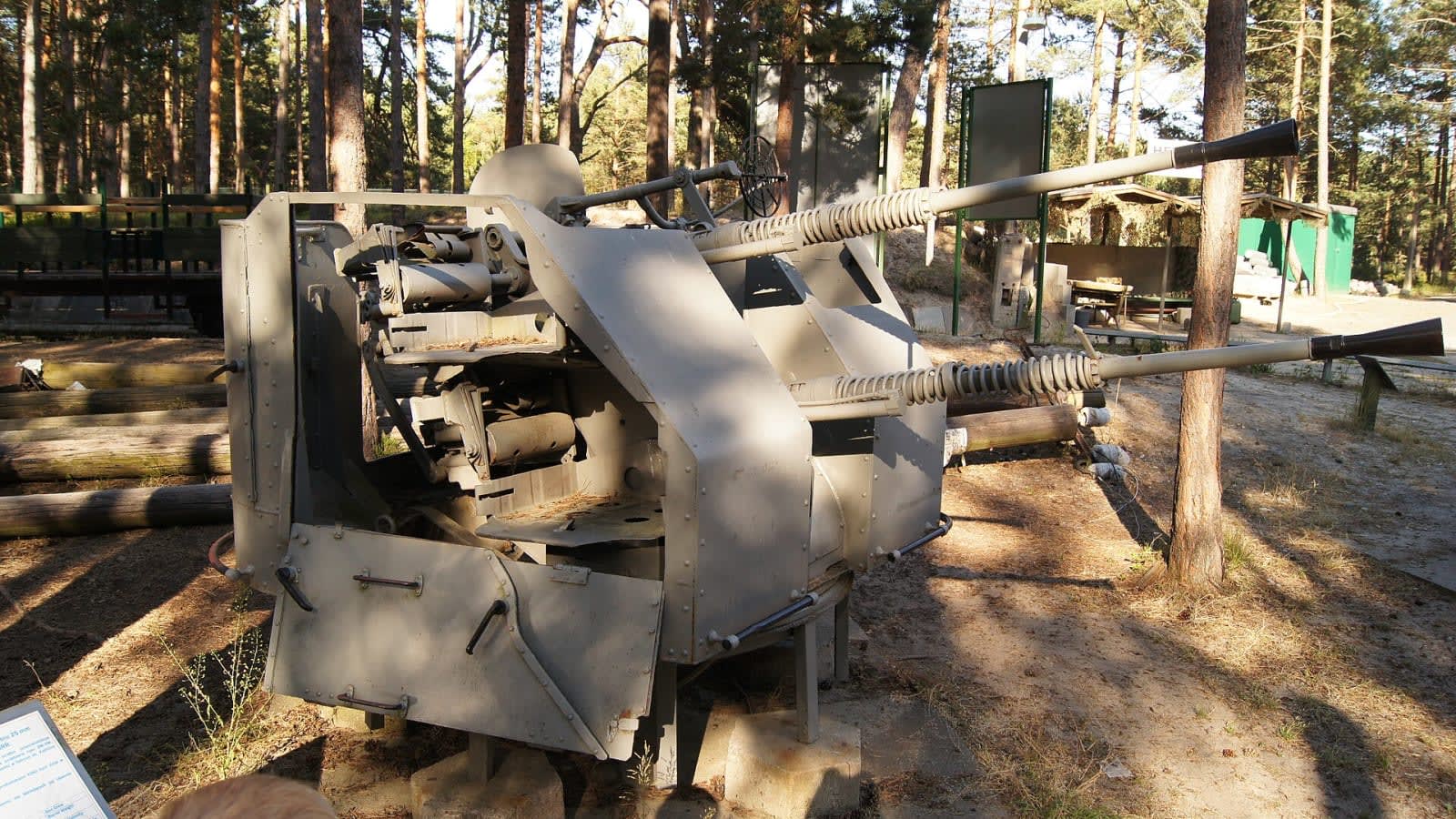
Saudi Arabian authorities have issued fresh emergency alerts for Riyadh and al-Kharj, marking the second time overnight that residents in the two cities were warned of imminent danger. The kingdom’s Civil Defense agency urged people to take immediate precautions and follow safety instructions, sending the alerts via its National Early Warning Platform just hours after previous warnings had been lifted. The threat alerts come as regional tensions remain high amid the ongoing conflict between the United States and Iran.
Washington targets Russian and Iranian energy
In Washington, US President Donald Trump signed the Lindsey O. Graham Sanctioning Russia and Iran Act of 2026 into law on Friday, 18 September. The legislation targets Russia’s economy by imposing steep levies on its top energy buyers, while simultaneously extending existing US sanctions against Iran. Under the new law, the White House has the authority to slap tariffs of up to 100% on goods from the top five purchasers of Russian oil and gas, most notably China and India. Data from the Centre for Research on Energy and Clean Air shows that China and India accounted for 50% and 37% of Russian crude exports respectively between December 2022 and August 2026.
For Iran, the law extends the Iran Sanctions Act for an additional five years, keeping Washington’s sanctions authorities active until 2031. This allows the US to target foreign companies and individuals involved in buying, financing, or insuring Iranian petroleum.
The bill is named after the late Republican Senator Lindsey Graham, a staunch defender of Ukraine who died of cardiovascular disease on 11 July. Ukrainian President Volodymyr Zelenskyy thanked Mr Trump and the US Congress for the law, saying that the best way to honour Mr Graham's memory would be to implement the sanctions fully and swiftly.
International naval pressure builds
The growing regional crisis has forced international allies to consider their security roles in the Middle East. South Korean Foreign Minister Cho Hyun met US Secretary of State Marco Rubio in Washington on Friday to discuss securing shipping routes through the Strait of Hormuz. South Korea is considering expanding its naval presence in the Gulf of Aden, though South Korean President Lee Jae Myung stressed that Seoul would not deploy troops in any manner that could draw the nation into an overseas war.
Diplomacy turns to the United Nations
The crisis is set to dominate next week’s United Nations General Assembly. US Ambassador to the UN Mike Waltz said Mr Trump will use his address to focus on the Iran conflict and a Gaza peace plan. Mr Trump is also scheduled to hold meetings with Gulf leaders, British Prime Minister Andy Burnham, and Japanese Prime Minister Sanae Takaichi on the sidelines of the assembly.
Key numbers
- up to 100%
- 5 years (until 2031)
- 50%
- 37%