The heavy toll of America's war with Iran is finally laid bare
New government watchdog reports and leaked photos reveal massive base damage, depleted stockpiles, and a mounting political crisis in Washington.
The true cost of the US war with Iran is finally coming into view, and it is far more severe than the public has been led to believe. Official watchdog reports and leaked photographs reveal shattered American bases, critical weapon shortages, and a financial bill that has already climbed past $38 billion.
Operation Epic Fury, which began on 28 February after joint US-Israel air strikes, was widely expected by supporters to be swift. Instead, a newly published report by the Pentagon’s inspector general shows the US spent $33.4 billion on the conflict up to 29 June alone. This includes $22.3 billion on expended munitions and $3.7 billion in equipment losses. A separate estimate by the Congressional Budget Office (CBO) puts the current cost at $38 billion, warning that the war is now draining between $2 billion and $3 billion more every month.
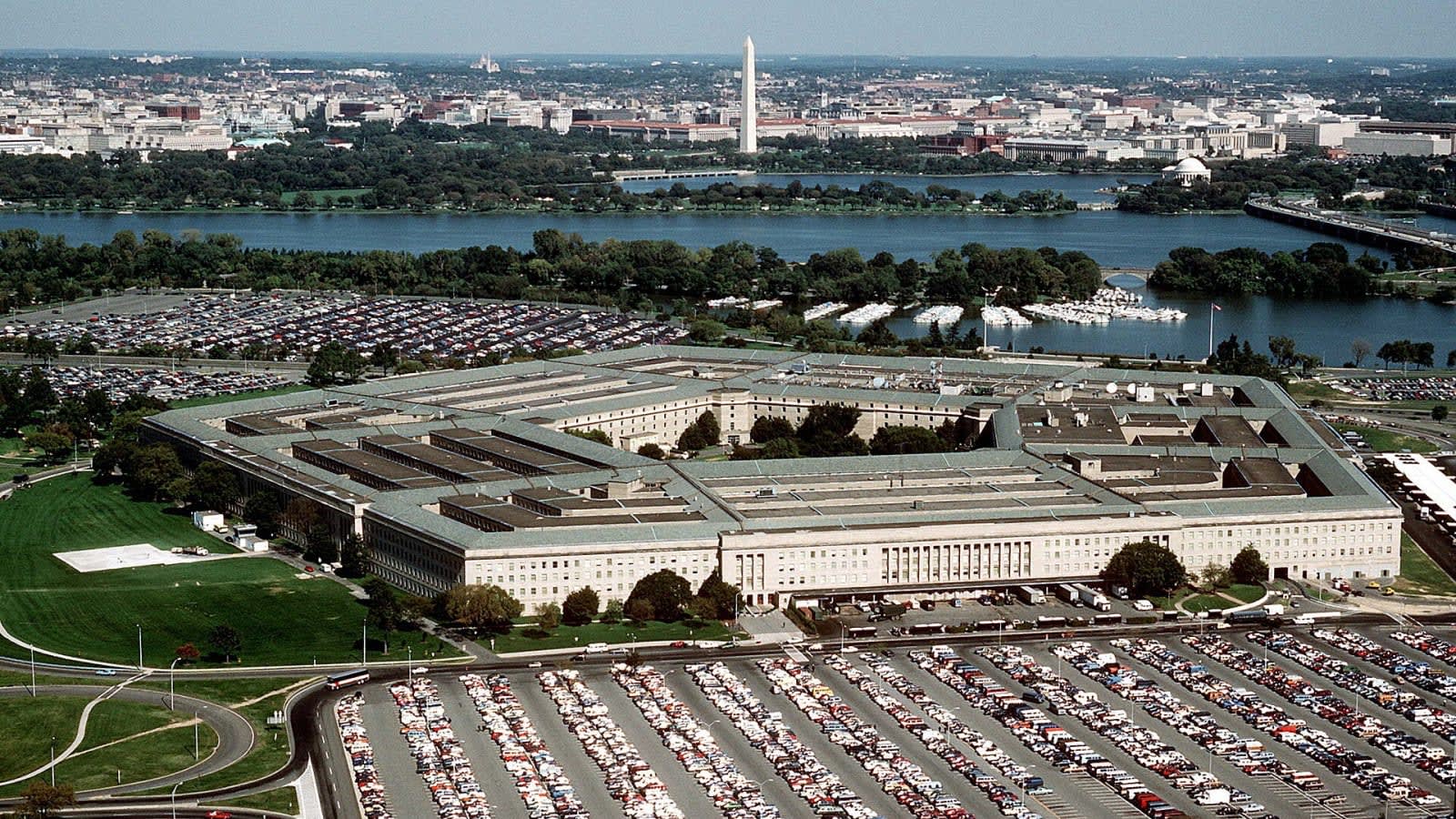
Neither figure includes the eventual cost of rebuilding. The inspector general confirmed that Iranian strikes have damaged or destroyed hundreds of buildings and structures across American bases in Kuwait, Bahrain, Qatar, the UAE, Saudi Arabia, Iraq, Oman, and Jordan.
Flattened bases and shattered planes
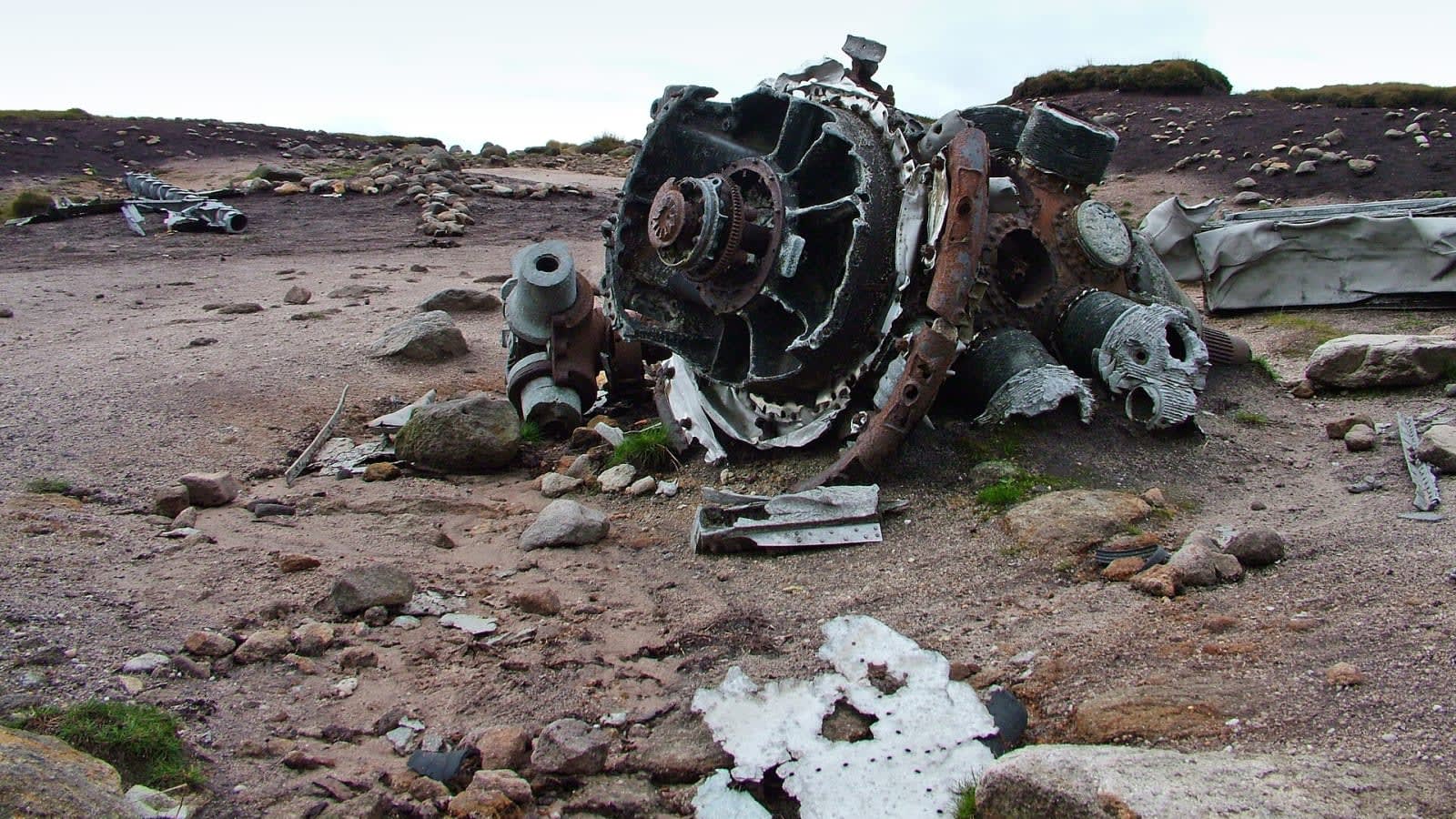
The physical reality of these attacks has emerged through photos obtained by CBS News from active-duty military personnel. The images show flattened trailers, wrecked buildings, and a $500 million Boeing E-3 Sentry radar plane ripped in half at Prince Sultan Air Base in Saudi Arabia.
The active-duty troops who leaked the images said the scale of the damage had been hidden from the American public. "We're standing there with our eyes closed getting punched in the face," one service member told the network.
Iranian forces have demonstrated unexpected precision. A CNN investigation reported that Russian spy satellites have likely been providing intelligence to help Iran target US assets.
These precise strikes have taken a heavy toll on American hardware. The CBO report noted that dozens of aircraft have been damaged or destroyed, including five refuelling planes hit on the ground in Saudi Arabia. Replacing the lost E-3 radar plane is particularly difficult; because it is no longer in production, the air force will have to buy a more modern E-7 replacement.
A dangerous drain on global readiness
The war is also exhausting the Pentagon’s physical stockpiles. The inspector general warned of "strategic inventory shortfalls", citing severe production bottlenecks in solid-rocket motors, high-grade explosives, propellants, and skilled labour.
These shortages have global security implications. Brian Katulis of the Middle East Institute warned that the US has been forced to divert military assets from Asia to the Middle East, leaving allies there more vulnerable to China. The depletion of US munitions, he added, could also embolden Russia to test NATO's resolve in Europe.
Meanwhile, Iran's allies are expanding the conflict. Houthi forces in Yemen have seized the strategic port of Mocha and are advancing toward the Bab el-Mandeb strait, threatening a second critical maritime chokepoint alongside the Strait of Hormuz.
Mounting political fallout
The disclosures have triggered a political crisis in Washington. In March, Defence Secretary Pete Hegseth assured the public that stockpiles were sufficient to sustain the campaign indefinitely. But by July, he was asking Congress for an emergency $67 billion in supplemental funding, warning of "critical shortfalls" that could affect troop pay and global operations.
Domestic support for the conflict has collapsed. A Marquette poll found that 79 per cent of Americans believe the war has not been worth the cost, while only 13 per cent believe US objectives have been achieved.
Congress is reflecting that anger. The House of Representatives has voted for a third time to end the war, approving a measure to force President Donald Trump to halt military action. Although the bill faces an uncertain future in the Senate, the political pressure is growing. Outgoing Republican Congressman Thomas Massie has also launched an attempt to impeach Hegseth, as lawmakers balk at the spiralling cost of a conflict with no clear end in sight.
Key numbers
- $33.4 billion
- $38 billion
- $500 million
- $2 billion to $3 billion
- $67 billion
- 79 per cent