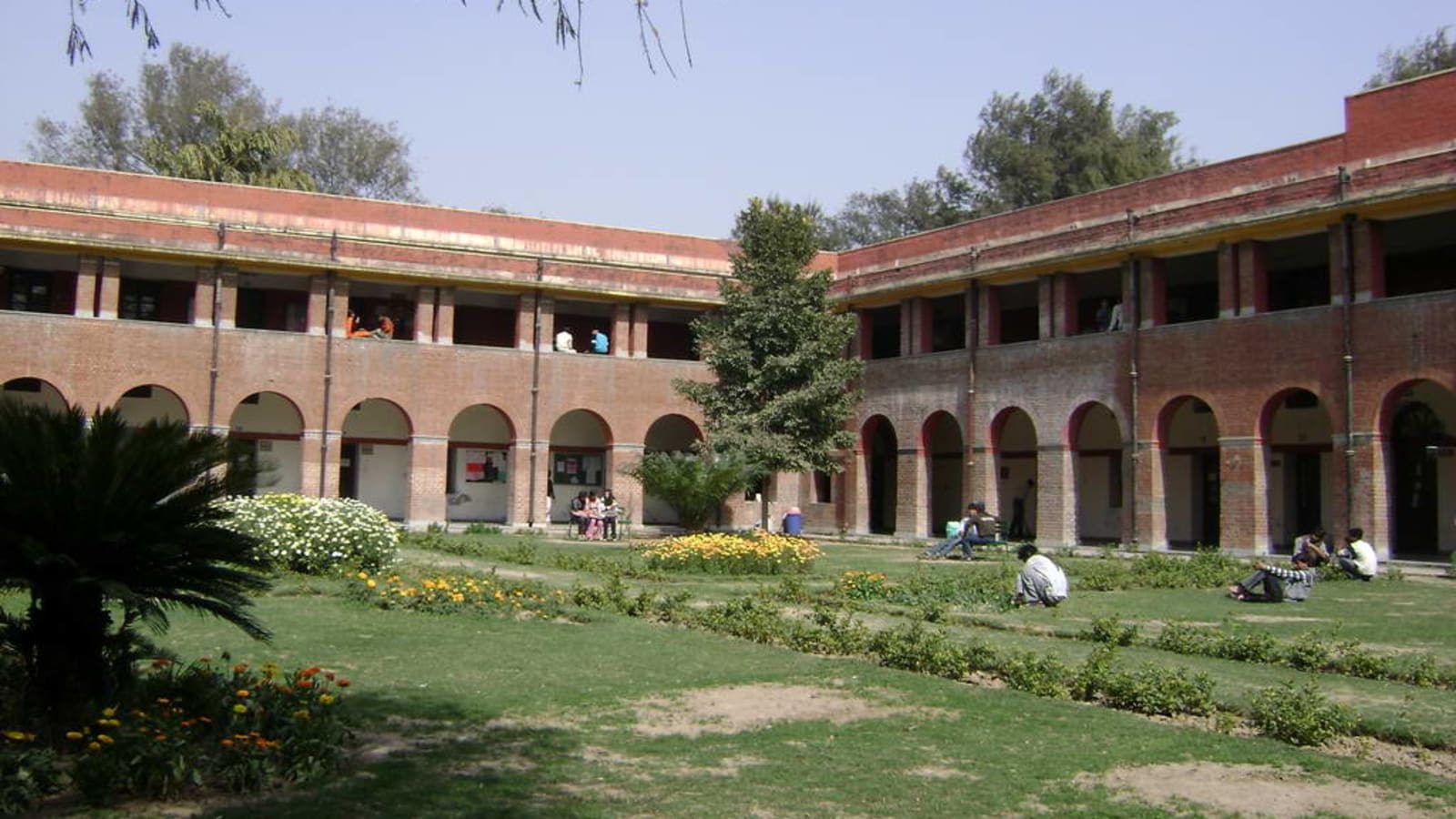
BITS Pilani launches AI-era undergraduate curriculum with flexible electives and wellbeing programme
The institute has overhauled its undergraduate programme, introducing AI‑focused subjects, greater elective choice and a 60‑hour wellbeing and community‑service framework.
New curriculum rollout
BITS Pilani announced on 25 October 2026 that its undergraduate syllabus has been rewritten to meet the demands of the artificial‑intelligence era. The change, described by the institute as a "flexible, interdisciplinary" model, lets students pick from a broader pool of electives while integrating research, industry projects and structured wellbeing activities.
Who announced it
The overhaul was outlined by V Ramgopal Rao, group vice‑chancellor of BITS Pilani and former director of IIT Delhi. Rao told reporters the new framework “combines science, engineering and computing with subjects in the humanities and arts” and aims to give learners "greater freedom to shape their own education".
New subjects and flexibility
The refreshed programme adds a slate of AI‑centred courses, including artificial intelligence, data science, software construction, quantum information and computation, astronomy and materials chemistry. Students will also be able to choose interdisciplinary electives beyond their core discipline, such as design thinking and entrepreneurship, allowing them to pursue ideas that sit at the crossroads of technology and society.
Wellbeing and experience points
A distinctive feature is the "Points of Experience" framework. Learners must earn 30 points – roughly 60 hours – through activities that promote physical fitness, creative pursuits, wellbeing workshops, social conduct and community engagement. These points are recorded separately from academic credits, signalling the institute’s commitment to mental health and holistic development.
Investment in labs
To support the new syllabus, BITS Pilani said it has spent more than Rs 50 crore this year upgrading undergraduate laboratories across its Pilani, Goa and Hyderabad campuses. The investment equips students with modern equipment for AI research, quantum experiments and material synthesis, reinforcing the institute’s reputation as a leading technical university.
What’s next for students
Under the revised structure, students will continue to participate in the Undergraduate Research Opportunities Programme (UROP), now bolstered with Advanced UROP and Super UROP tiers that fund societal‑impact projects. The Practice School programme will provide industry mentorship, while entrepreneurship pathways enable students to turn campus ideas into start‑ups.
The changes come at a time when India is positioning itself as a hub for AI talent, and the institute hopes the curriculum will feed that national ambition while safeguarding student wellbeing.
---
Key takeaways
- Flexible electives and AI‑focused courses broaden career options.
- A 60‑hour Points of Experience system embeds wellbeing into the degree.
- Rs 50 crore lab upgrades signal a strong infrastructure push.
- Enhanced UROP and industry links aim to translate learning into real‑world impact.
Key numbers
| What | Figure | Source |
|---|---|---|
| Lab upgrade spending | More than Rs 50 crore | BITS Pilani statement |
| Points of Experience required | 30 points (≈60 hours) | BITS Pilani statement |
| New AI‑related subjects added | Artificial intelligence, data science, software construction, quantum information and computation, astronomy, materials chemistry | BITS Pilani statement |
In this story
| Name | Role in the story |
|---|---|
| V Ramgopal Rao | Group vice‑chancellor who announced the changes |
| BITS Pilani | Institute introducing the new curriculum |