
JNU students end 17-day hunger strike as university revokes rustication orders
University authorities agree to revoke rustication orders, drop FIRs, and set up joint review committees following successful negotiations.
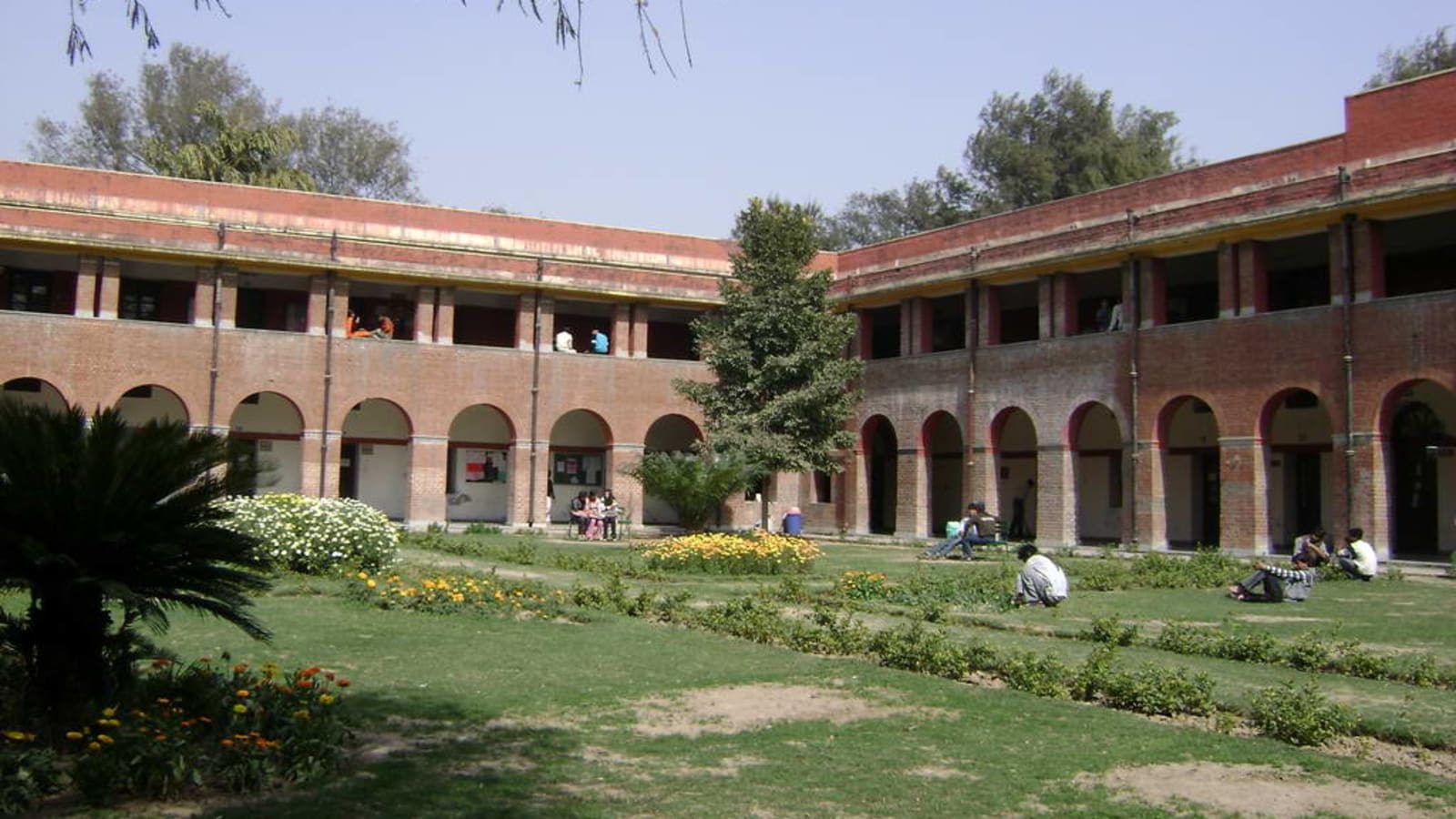
Jawaharlal Nehru University students ended their 17-day hunger strike on Tuesday after university authorities agreed to revoke rustication orders against elected student leaders and address key campus grievances through structured dialogue.
Vice-Chancellor Santishree Dhulipudi Pandit directed the immediate revocation of rustication orders for five students, including office-bearers of the JNU Students' Union (JNUSU). The breakthrough came after negotiations between student representatives and an administrative committee headed by the university dean.
What was agreed between JNU administration and students
Under the terms reached during the meeting, the university administration committed to withdrawing formal complaints and reforming several administrative procedures.
| Area of demand | Agreement reached |
|---|---|
| Rustication orders | Revoked with immediate effect for five students |
| Legal cases | All police FIRs against students to be withdrawn |
| Internal enquiries | Proctorial enquiries from anti-rustication and hostel protests dropped |
| CPO manual review | Joint committee created to review and purge contentious clauses |
| Admissions & hostels | Student representation added to JNUEE and hostel committees |
Dialogue and health monitoring
The university administration maintained a steady line of communication throughout the standoff, emphasizing dialogue and student welfare. Vice-Chancellor Pandit noted in an official statement that administrative representatives held multiple rounds of meetings with student groups to find a resolution, including a four-hour session on 9 October.
Medical teams conducted twice-daily check-ups for participating students in accordance with official medical protocols. The Vice-Chancellor reiterated that the university acted in a democratic and humanitarian manner while balancing the need to safeguard public property and maintain institutional order across the campus.
Earlier in the week, Rajya Sabha MP John Brittas had written to President Droupadi Murmu requesting visitorial intervention under the Jawaharlal Nehru University Act, 1966. The subsequent agreement between the university and student union leadership resolved the dispute internally without requiring formal executive intervention.
Next steps for the campus
With the hunger strike concluded, the newly agreed joint committees will begin work on revising clauses within the Chief Proctor Office manual. Student representatives will also join oversight panels governing university entrance examinations and hostel allocation rules, restoring standard academic routines across the university.
Key numbers
| What | Figure | Source |
|---|---|---|
| Duration of hunger strike | 17 days | JNUSU and JNU administration |
| Number of rustications revoked | 5 students | JNU Vice-Chancellor statement |
| Public property damage cited | ₹20 lakh | JNU Vice-Chancellor statement |
In this story
| Name | Role in the story |
|---|---|
| Jawaharlal Nehru University | The institution where the hunger strike and negotiations took place. |
| Santishree Dhulipudi Pandit | Vice-Chancellor of JNU who revoked rustication orders. |
| JNUSU | Jawaharlal Nehru University Students' Union representing the protesting students. |


