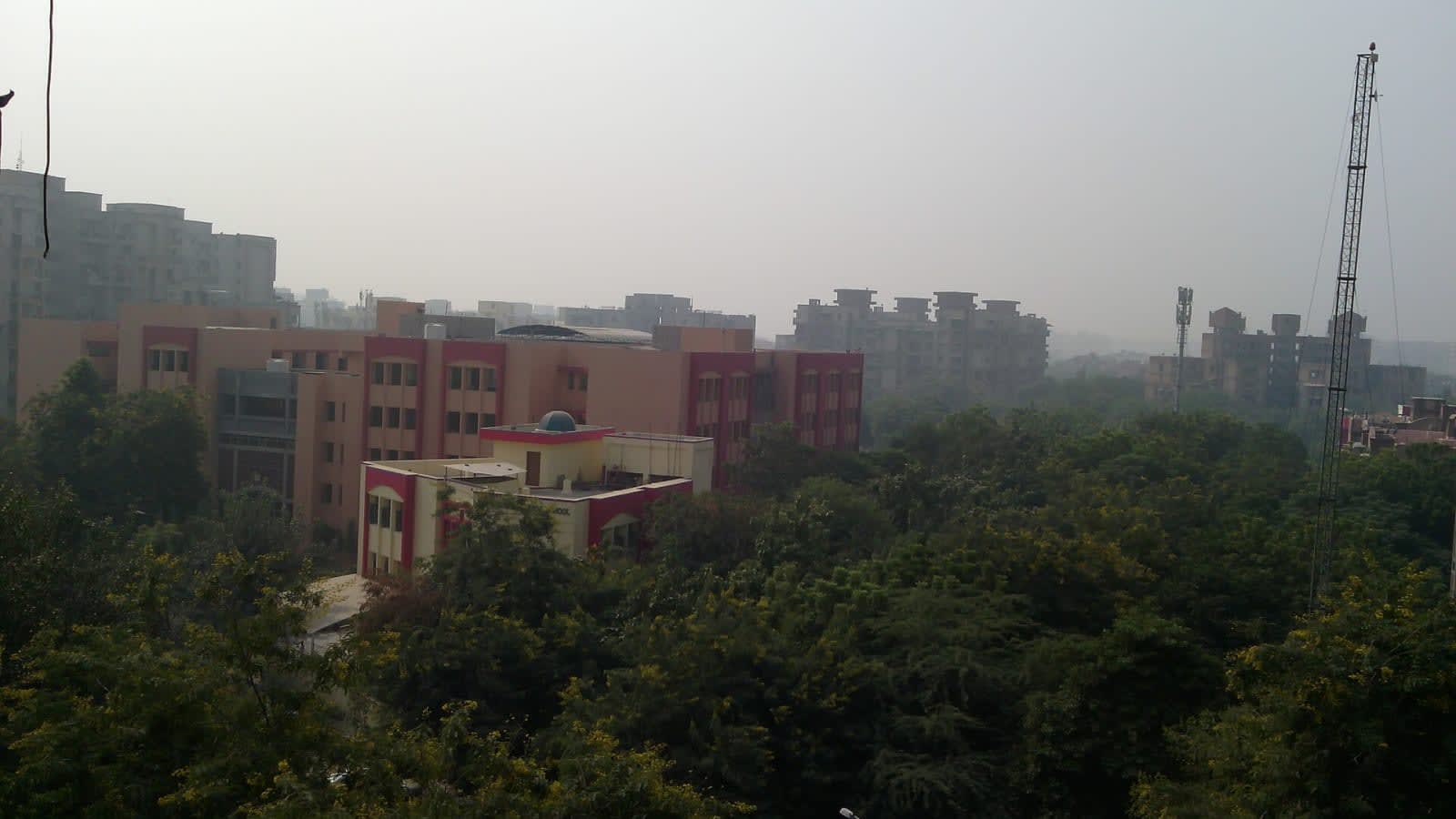
Delhi-NCR activates GRAP Stage‑I curbs after air quality falls to poor post‑Dussehra
The Commission for Air Quality Management has ordered Stage‑I measures of the Graded Response Action Plan across the National Capital Region following a post‑Dussehra AQI of 233.

GRAP‑1 curbs take effect after Dussehra celebrations
The Commission for Air Quality Management (CAQM) notified the implementation of Stage‑I measures of the Graded Response Action Plan (GRAP) across the Delhi‑NCR on Wednesday, the day after the Dussehra festivities. The decision came after the Central Pollution Control Board (CPCB) reported an Air Quality Index (AQI) of 233 at 9 am, placing the region in the poor category (AQI 201‑300).
What Stage‑I of GRAP entails
Stage‑I is the first rung of a seasonal pollution‑control ladder that the government activates when AQI crosses the moderate threshold. Under the curbs, construction work is limited to essential activities, firecracker sales are banned, and diesel‑run generators must be switched off unless absolutely necessary. All relevant agencies in the NCR are required to monitor compliance and report progress to the CAQM.
Numbers behind the alert
- AQI: 233 (CPCB, 9 am)
- Temperature: 18 °C minimum at Safdarjung (India Meteorological Department)
- AQI range: 0‑50 good, 51‑100 satisfactory, 101‑200 moderate, 201‑300 poor, 301‑400 very poor, 401‑500 severe (CPCB standards)
Government’s swift response
Environment Minister Manjinder Singh Sirsa announced the curbs in a brief press statement on Wednesday afternoon, stressing that the measures are aimed at preventing the AQI from slipping further. "All implementing agencies will keep a strict vigil and intensify actions under the existing GRAP schedule," the minister said.
Weather conditions add pressure
The India Meteorological Department recorded a minimum temperature of 18 °C at Safdarjung, slightly below the seasonal average, while nearby stations reported similar lows (Palam 17.8 °C, Lodhi Road 17.7 °C). Cooler air can trap pollutants close to the ground, worsening smog formation.
Why the post‑Dussehra dip matters
Dussehra celebrations involve large crowds, firecracker use and increased traffic, all of which contribute to short‑term spikes in particulate matter. While the CPCB data links the AQI rise to the night of the festival, officials have not isolated any single source.
Looking ahead
The CAQM has warned that the Stage‑I curbs will be reviewed daily. If the AQI improves, the restrictions could be relaxed; if it worsens, authorities are prepared to move to Stage‑II, which adds stricter limits on vehicular movement and industrial emissions.
Public advice
Citizens are urged to follow the citizen charter issued under GRAP Stage‑I, which includes staying indoors during peak pollution hours, using masks, and limiting the use of private vehicles where possible.
The swift activation of GRAP‑1 underscores the government's commitment to maintaining air‑quality stability in the capital, even as festive celebrations briefly push conditions into the poor range.
Key numbers
| What | Figure | Source |
|---|---|---|
| Air Quality Index (AQI) | 233 | Central Pollution Control Board (CPCB) at 9 am |
| AQI category | Poor (201‑300) | CPCB classification |
| Minimum temperature recorded | 18 °C | India Meteorological Department, Safdarjung station |
| Stage of GRAP activated | Stage‑I (GRAP‑1) | Commission for Air Quality Management (CAQM) |
| Date of announcement | 21 Oct 2024 | Environment Minister Manjinder Singh Sirsa statement |
In this story
| Name | Role in the story |
|---|---|
| Manjinder Singh Sirsa | Environment Minister who announced curbs |
| Delhi | Capital city where AQI dropped |
| India Meteorological Department (IMD) | Supplied temperature data |
| National Capital Region (NCR) | Area covered by GRAP curbs |
| Commission for Air Quality Management (CAQM) | Issued Stage‑I GRAP notification |
| Central Pollution Control Board (CPCB) | Provided AQI reading |