Alex Norris admits court backlog will rise after jury trial U-turn
The Justice Secretary insisted the backlog will eventually fall over the next decade, but resisted setting a firm target.

The Crown Court backlog will continue to rise before it starts to fall, the Justice Secretary has admitted, after the government abandoned its highly controversial plans to restrict jury trials.
Speaking on the BBC’s Sunday with Laura Kuenssberg, Alex Norris said outstanding cases would keep mounting until fresh legislation is passed and implemented. While he insisted that the backlog would fall significantly over the next decade, he declined to set a firm target for the reduction, arguing that the public is tired of "bombastic promises that then aren't kept".
The U-turn represents a major policy shift by Prime Minister Andy Burnham, who has scrapped proposals introduced under Sir Keir Starmer's administration. Those plans would have allowed single judges, sitting without juries, to decide Crown Court cases where the expected sentence was less than three years.
Instead, judge-only trials will now be limited strictly to complex fraud and financial crimes.
Mr Norris said he decided to "change course" after listening to the intense "strength of feeling" from lawyers, campaigners and politicians who argued that the proposals severely eroded an 800-year-old right to trial by jury.
The backlog in England and Wales stood at 80,829 cases at the end of June, having nearly doubled since 2020. Official projections have warned that the pile-up could reach 100,000 before the next election, and potentially double that by 2035 under a worst-case scenario.
While the legal profession has welcomed the preservation of jury trials, barristers have warned that other elements of the government's plans could still push the system to breaking point.
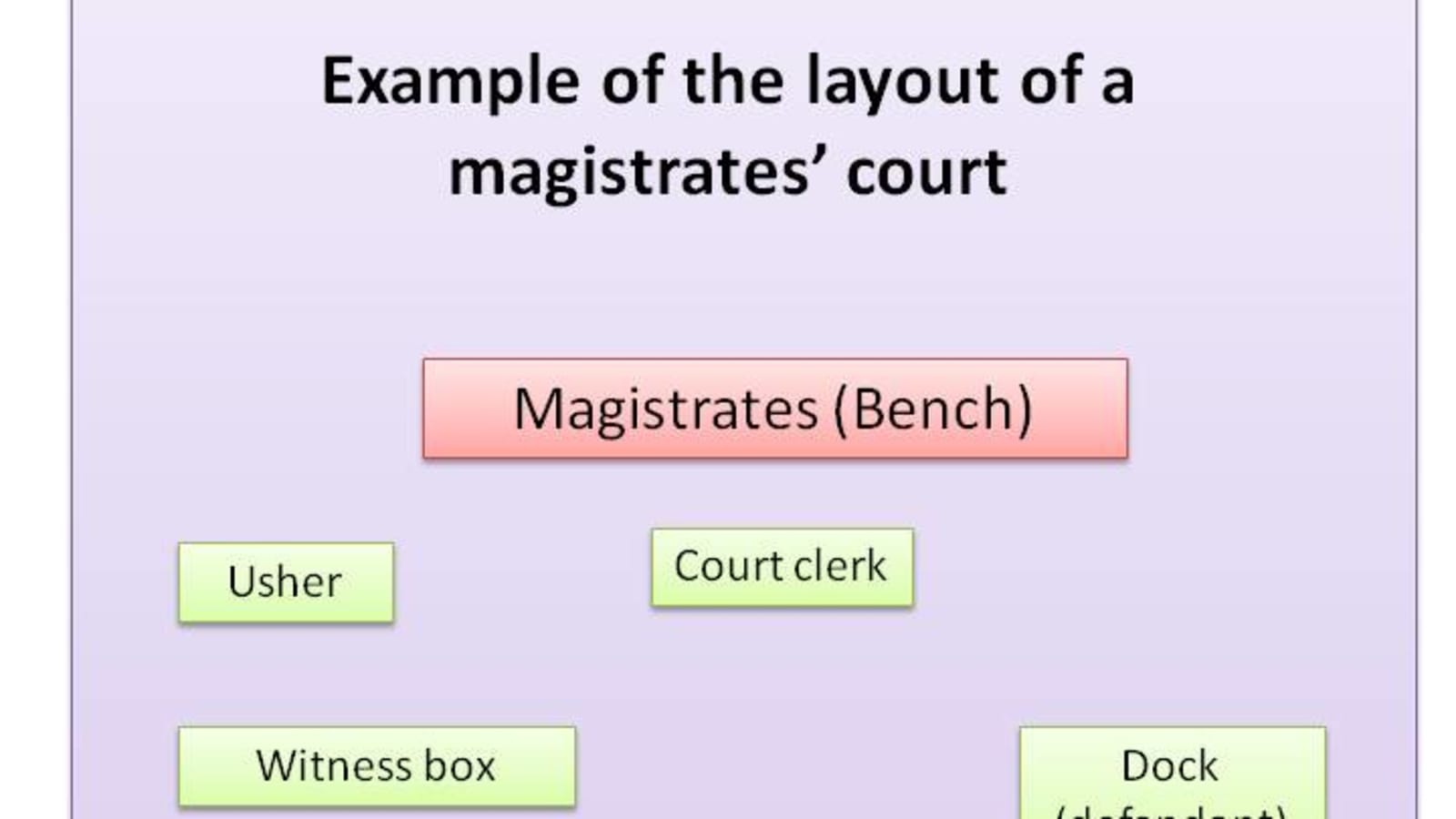
Under the revised proposals, the government still intends to strip defendants in "either-way" medium-level cases of their right to elect for a Crown Court jury trial. Instead, magistrates' courts will have the final say on where these cases are heard.
Andrew Thomas KC, chairman of the Criminal Bar Association, warned that this change, combined with doubling magistrates’ sentencing powers to two years, would shift roughly 25,000 cases a year out of the Crown Court.
"Our volunteer magistrates do an excellent job but they are completely unequipped to try complex, multi-day trials," Mr Thomas said. "It would be a car crash if they tried to do it."
The shadow justice secretary, Nick Timothy, called the U-turn a "major victory for everyone who fought to defend trial by jury".
The changes will be introduced via amendments to the Courts and Tribunals Bill, which is expected to return to Parliament later this month.
Key numbers
| What | Figure | Source |
|---|---|---|
| Crown Court backlog at the end of June | 80,829 | Ministry of Justice figures |
| Projected backlog before the next general election | 100,000 | Official projections |
| Estimated cases shifted to magistrates' courts per year | 25,000 | Criminal Bar Association |
In this story
| Name | Role in the story |
|---|---|
| Alex Norris | The Justice Secretary who announced the policy U-turn and admitted the court backlog would rise further. |