Andy Burnham scraps plans to curb jury trials in England and Wales
The Prime Minister has dropped proposals to let judges sit alone in mid-level criminal cases, but some controversial reforms to magistrates' powers will go ahead.

Prime Minister Andy Burnham has dropped controversial plans to curb jury trials in England and Wales, abandoning a flagship policy of his predecessor Sir Keir Starmer after intense opposition from lawyers and MPs.
Justice Secretary Alex Norris confirmed the government is "changing course" on proposals that would have let judges decide cases carrying sentences of up to three years without a jury.
The plans, originally drawn up by former Justice Secretary David Lammy, were designed to tackle a backlog of nearly 81,000 outstanding Crown Court cases. But Norris admitted he had listened to the "strength of feeling" from across the justice system. Under the new approach, only a small number of complex fraud and financial cases will go before a judge alone.
What is changing for magistrates?
While criminal lawyers have welcomed the U-turn, ministers are still pressing ahead with other controversial changes to magistrates' courts.
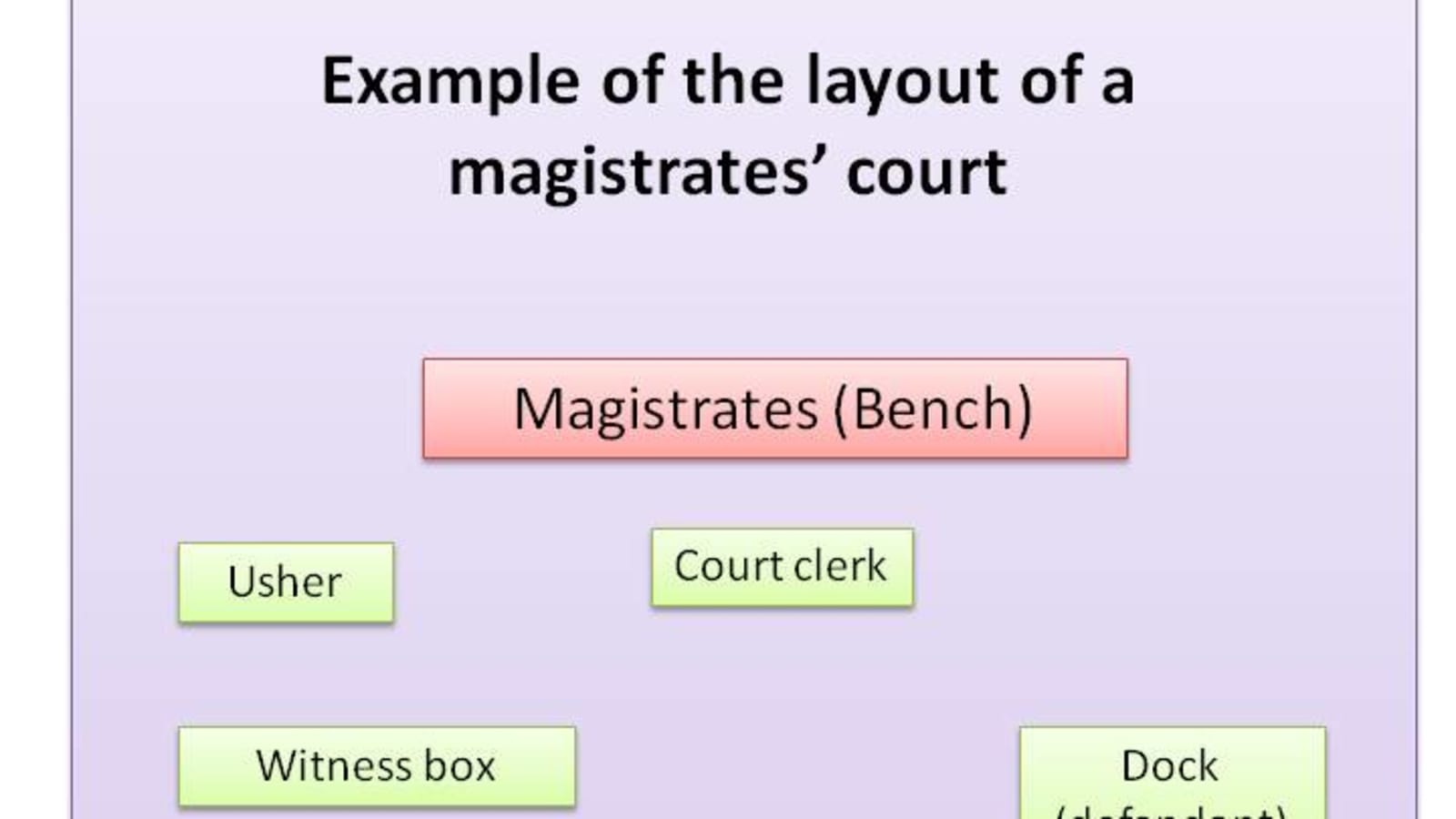
Under the revised plans, defendants accused of "either-way" offences—crimes that can be tried in either a magistrates' court or by a jury in the Crown Court—will lose the right to choose a jury trial. Instead, magistrates will decide where those cases are heard.
The government is also going ahead with plans to increase magistrates' maximum sentencing powers from 12 months to 18 months, with the option to extend this to two years.
Why lawyers are warning of a 'car crash'
Legal bodies warn that shifting thousands of cases away from the Crown Court will simply push the crisis onto an already struggling lower court system.
Andrew Thomas KC, chairman of the Criminal Bar Association, said stripping defendants of their right to choose a jury trial could shift 25,000 cases a year to magistrates' courts, including about 5,500 that would otherwise have gone to trial.
"Our volunteer magistrates do an excellent job but they are completely unequipped to try complex, multi-day trials," Thomas said, warning that the move would be a "car crash" due to a severe shortage of magistrates.
Kirsty Brimelow, chair of the Bar Council of England and Wales, warned that the proposal risks worsening existing racial and gender disparities, noting that women, Black, and mixed-race defendants are more likely to elect for jury trials.
What happens next to the backlog?
The Ministry of Justice argued that dropping the judge-alone Crown Court plans will actually speed up their efforts to tackle the backlog, because they will no longer need to spend time creating a new judge-only division.
Courts minister Sarah Sackman said the government will look at other ways to speed up justice, including using artificial intelligence to list cases, expanding virtual hearings, and ensuring defendants are brought to court on time.
But Victims' Commissioner Claire Waxman questioned whether the remaining measures would be enough. She warned that the government is asking victims to trust a plan that ministers previously argued would not work, calling the U-turn an "easy compromise" that could leave the system vulnerable in the future.
Meanwhile, Shadow Justice Secretary Nick Timothy called the U-turn a victory but accused the government of "restricting juries by the back door" by dumping cases on magistrates.
Key numbers
| What | Figure | Source |
|---|---|---|
| Crown Court case backlog | 80,829 | Ministry of Justice |
| Estimated cases shifted to magistrates annually | 25,000 | Criminal Bar Association |
| Estimated jury trials cut by magistrates shift | 5,500 | Criminal Bar Association |
In this story
| Name | Role in the story |
|---|---|
| Alex Norris | Justice Secretary who announced the decision to change course. |
| Andy Burnham | Prime Minister who scrapped the plans. |