
What happens between arrest and trial in the criminal justice system
The journey from a police cell to a courtroom verdict is a slow process controlled by strict legal limits and a heavily congested system.
Anyone watching a TV crime drama could be forgiven for thinking an arrest is followed almost immediately by a dramatic courtroom battle. In the real world, the gap between a suspect being handcuffed and a jury delivering a verdict is measured in months, and increasingly, years.
Here is how a suspect moves through the justice system in England and Wales, who decides what happens to them, and why each stage takes so long.
The first 24 hours: custody and the clock
When police arrest a suspect, they take them to a designated custody suite. At this point, the clock starts ticking.
A custody sergeant—an officer who must be independent of the active investigation—decides whether there are grounds to detain the person. By law, police can generally only hold a suspect for up to 24 hours without charge.
For serious indictable offences, a senior officer can authorise detention up to 36 hours. To hold someone for up to 96 hours, police must get permission from a magistrate. Once that limit expires, they must either charge the suspect or release them.
The charging decision: police versus prosecutors
Before a case can go to court, someone must formally decide what charges the suspect faces. Who makes this decision depends on the severity of the crime.
For minor offences, such as low-level shoplifting or simple criminal damage, the police can charge the suspect directly. For more serious or complex crimes, the decision rests with the Crown Prosecution Service (CPS).
If the police do not have enough evidence to charge immediately but want to keep investigating, they must release the suspect. They can do this in two ways: on police bail, which comes with conditions like curfews or travel bans, or "released under investigation", which carries no conditions. Because of backlogs in analysing digital evidence, suspects can remain in this limbo for a year or more before a charging decision is made.
The first hearing: magistrates' court
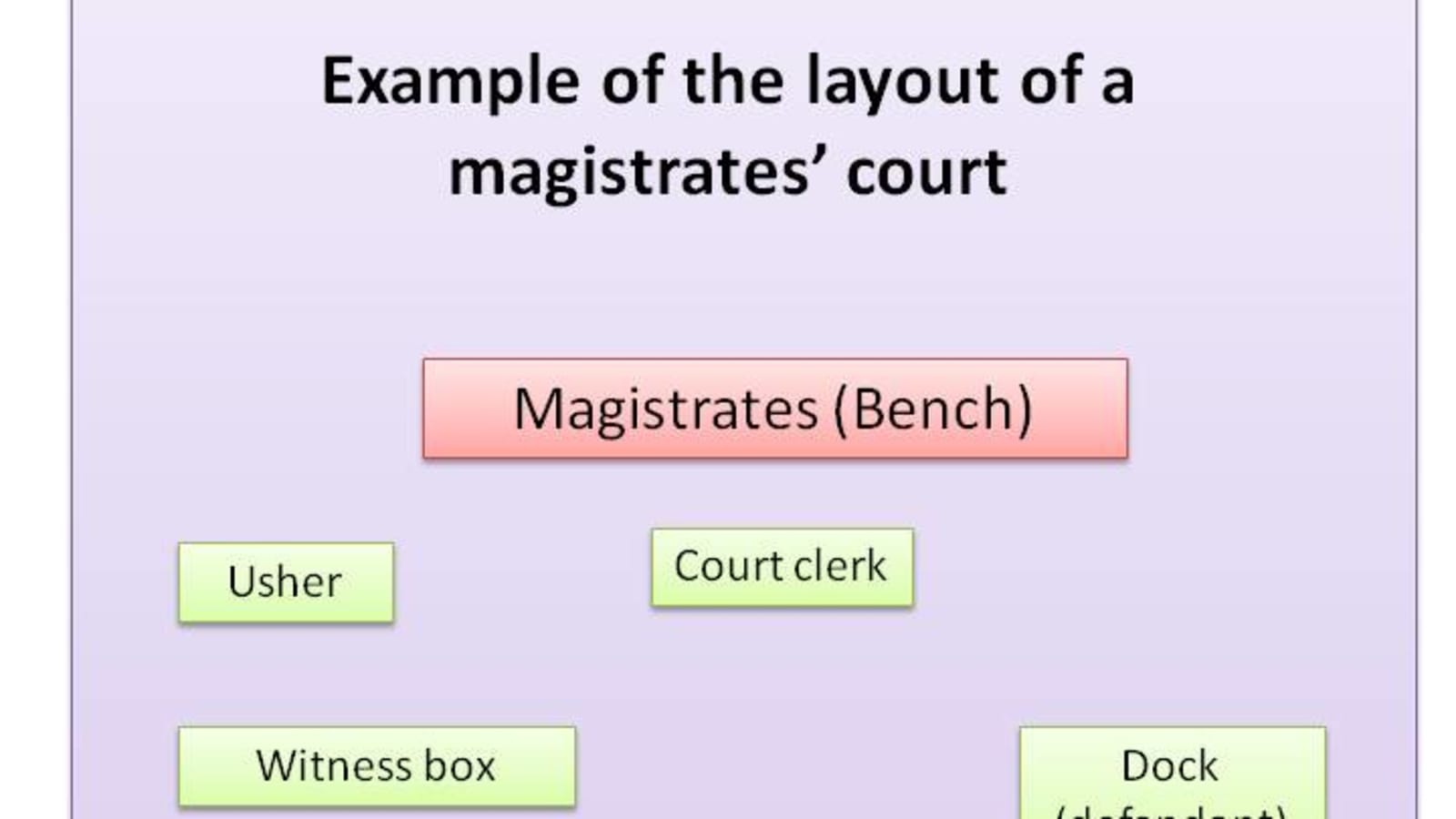
Every single criminal case starts in the magistrates' court, regardless of how serious the crime is. This initial hearing usually happens within 24 hours if the suspect was kept in custody after being charged, or within a few weeks if they were released on bail.
At this hearing, the defendant enters a plea. If they plead guilty, the magistrates may sentence them on the spot, or send them to the Crown Court if the offence deserves a longer prison sentence than the magistrates have the power to hand out.
If the defendant pleads not guilty, the magistrates decide where the trial should take place. Minor trials stay in the magistrates' court. Serious offences, like robbery, rape or murder, are sent straight to the Crown Court.
The long wait for a Crown Court trial
Once a case is sent to the Crown Court, a judge takes control. At a Plea and Trial Preparation Hearing, the judge will set a timetable for the prosecution and defence to disclose their evidence and agree on a trial date.
If the defendant is held in prison while waiting for trial, the law states they should be tried within 182 days. This is known as the Custody Time Limit. However, because of a severe shortage of courtrooms and judges, prosecutors frequently apply to extend this limit, meaning defendants can wait over a year in prison before their trial starts.
For defendants waiting on bail, the delay is even longer. Court backlogs mean that a trial date set today is routinely scheduled for 12 to 18 months in the future, leaving victims and defendants waiting years for a resolution.
Key numbers
- 24 hours
- 96 hours
- 182 days


