CJI Surya Kant says child in conflict with law describes circumstance, not identity
Marking ten years of the Juvenile Justice Act, the Chief Justice called for old records to be destroyed on time and dedicated defence counsel for minors.
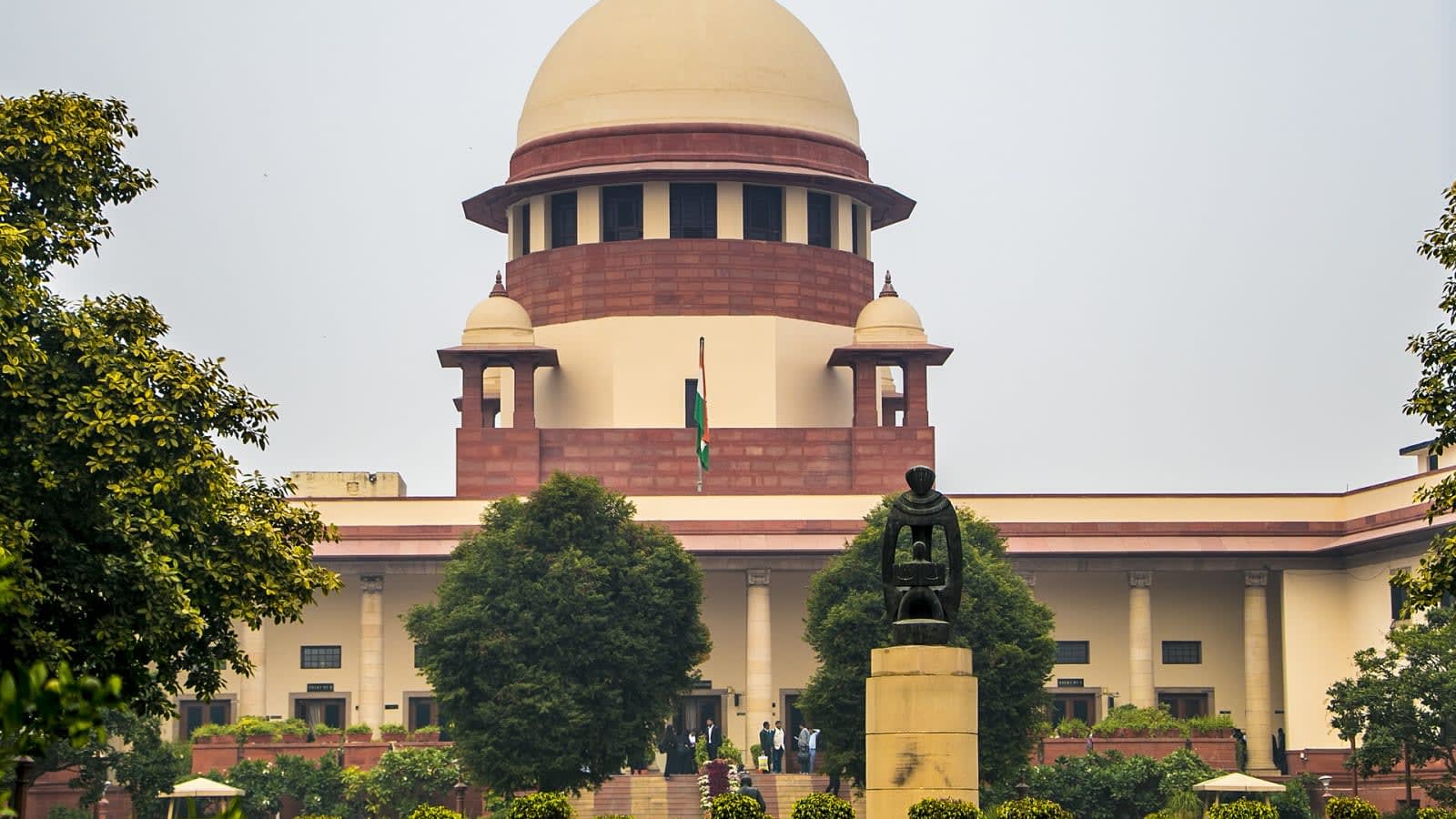
Calling for a system built on restoration rather than punishment, Chief Justice of India Surya Kant said on Saturday that the phrase "child in conflict with law" describes a temporary circumstance, not a permanent identity.
Speaking at a national consultation marking a decade of the Juvenile Justice (Care and Protection of Children) Act, 2015, the Chief Justice warned that true rehabilitation cannot end at the gates of an observation home. It requires wiping away the stigma that follows young people back into their schools, homes and neighbourhoods.
"The journey truly ends only when the past no longer casts a shadow over the future," Chief Justice Kant said. "For that, we must destroy old records on time, and keep the names of 'children in conflict with law' out of the news and off the internet, where they can linger for years."
Why privacy and second chances matter
The 2015 Act came into force in January 2016, making what the Chief Justice described as a deliberate wager: a child offered a second chance is far more likely to become a productive citizen than one branded a criminal.
He noted that a 15-year-old minor brought before a Juvenile Justice Board in 2016 would be roughly 25 today. The difficulties that led such teenagers into trouble rarely began with criminal intent. Most come before the law for the first time, often shaped by poverty, disrupted schooling and strained families.
"Very often, the child in conflict with the law today was, only a little earlier, a child in need of care and protection we failed to provide in time," the Chief Justice said. "Our answer to such a predicament is restoration, not retribution."
He also pushed for stronger structural support. Although the National Legal Services Authority rolled out a child-friendly legal framework in 2024 providing for station-house lawyers and board clinics, many Juvenile Justice Boards still lack them. Chief Justice Kant called for legal aid authorities to set up dedicated wings of trained child defence counsel who remain assigned to a minor from custody through to rehabilitation.
Boards face mounting backlog and vacancies
The gathering, organised by the Supreme Court's Juvenile Justice Committee in partnership with UNICEF, also examined operational shortfalls across the country.
Justice B.V. Nagarathna, who heads the Supreme Court committee, told attendees that a Juvenile Justice Board is not meant to operate as a "miniature criminal court". Its job is to respond to a young person's capacity to change.
She pointed to data from a November 2025 India Justice Report study showing deep administrative strain. Across 18 states and two Union Territories in the year ending October 2023, 55 per cent of matters before the boards remained pending, leaving more than 55,000 children waiting for decisions.
Out of 1,00,904 cases across 362 boards in that period, just 45,097 were disposed of. The study also revealed that nearly a quarter of responding boards—111 out of 470—operated without a full bench of a principal magistrate and two social workers.
"When a child breaks the law," Justice Nagarathna said, "the law must not break the child."
Key numbers
| What | Figure | Source |
|---|---|---|
| Pending cases before Juvenile Justice Boards in study period | 55% | India Justice Report study, November 2025 |
| Children awaiting decisions in year ending October 2023 | Over 55,000 | India Justice Report study, November 2025 |
| Cases disposed of out of 1,00,904 across 362 boards | 45,097 | India Justice Report study, November 2025 |
| Boards functioning without a full three-member bench | 111 out of 470 (24%) | India Justice Report study, November 2025 |
In this story
| Name | Role in the story |
|---|---|
| Surya Kant | Chief Justice of India who delivered the inaugural address |
| B.V. Nagarathna | Supreme Court Justice heading the court's Juvenile Justice Committee |
| Supreme Court of India | Apex court whose Juvenile Justice Committee organised the national consultation |