Election Commission orders voter roll revision in 17 states ahead of assembly polls
The nationwide update introduces stricter verification norms, digital formats for political parties, and polling booth reforms ahead of key state elections.
The Election Commission of India has ordered a Special Summary Revision of electoral rolls across 17 states and Union Territories, establishing a structured timetable to register eligible citizens and update voter rolls ahead of key assembly elections.
Under an order issued pursuant to Section 21 of the Representation of the People Act, 1950, the revision sets 1 January 2027 as the primary qualifying date. The exercise covers poll-bound states including Uttar Pradesh, Punjab, Uttarakhand, Goa, and Manipur, where assembly terms conclude in early 2027.
What the revision schedule looks like
The Commission has instructed state election machineries to rationalise and rearrange polling stations by 2 November. Draft electoral rolls are scheduled for publication on 12 November, initiating a month-long claims and objections period that runs until 11 December.
Electoral registration officers must resolve all submitted claims by 28 December, leading to the publication of final electoral lists on 4 January 2027. To assist upcoming young electors, authorities will also process advance submissions for three subsequent qualifying dates: 1 April, 1 July, and 1 October 2027.
| Stage | Deadline |
|---|---|
| Polling station rearrangement | 2 November 2026 |
| Draft roll publication | 12 November 2026 |
| Filing claims and objections | 12 November to 11 December 2026 |
| Disposal of claims | 28 December 2026 |
| Final roll publication | 4 January 2027 |
Safeguards and voter convenience
To ensure institutional order and prevent procedural misuse, the poll panel introduced fresh checks on voter deletions under Form 7. Electoral registration officers must personally cross-verify any instance where deletions exceed two per cent of electors at a single polling station, or where an individual applicant submits objections against more than five names.
In addition, the Commission directed that political parties and contesting candidates will receive searchable, digitally readable PDF copies of voter lists arranged alphabetically, meeting longstanding administrative requests for greater transparency.
Physical access norms have also been updated to ease public participation. Polling stations are restricted to a maximum of 1,200 electors without special clearance, must be located on ground floors within two kilometres of voters' residences, and must keep family members within the same flat or door number registered at the same booth.
Legal scrutiny at the Supreme Court
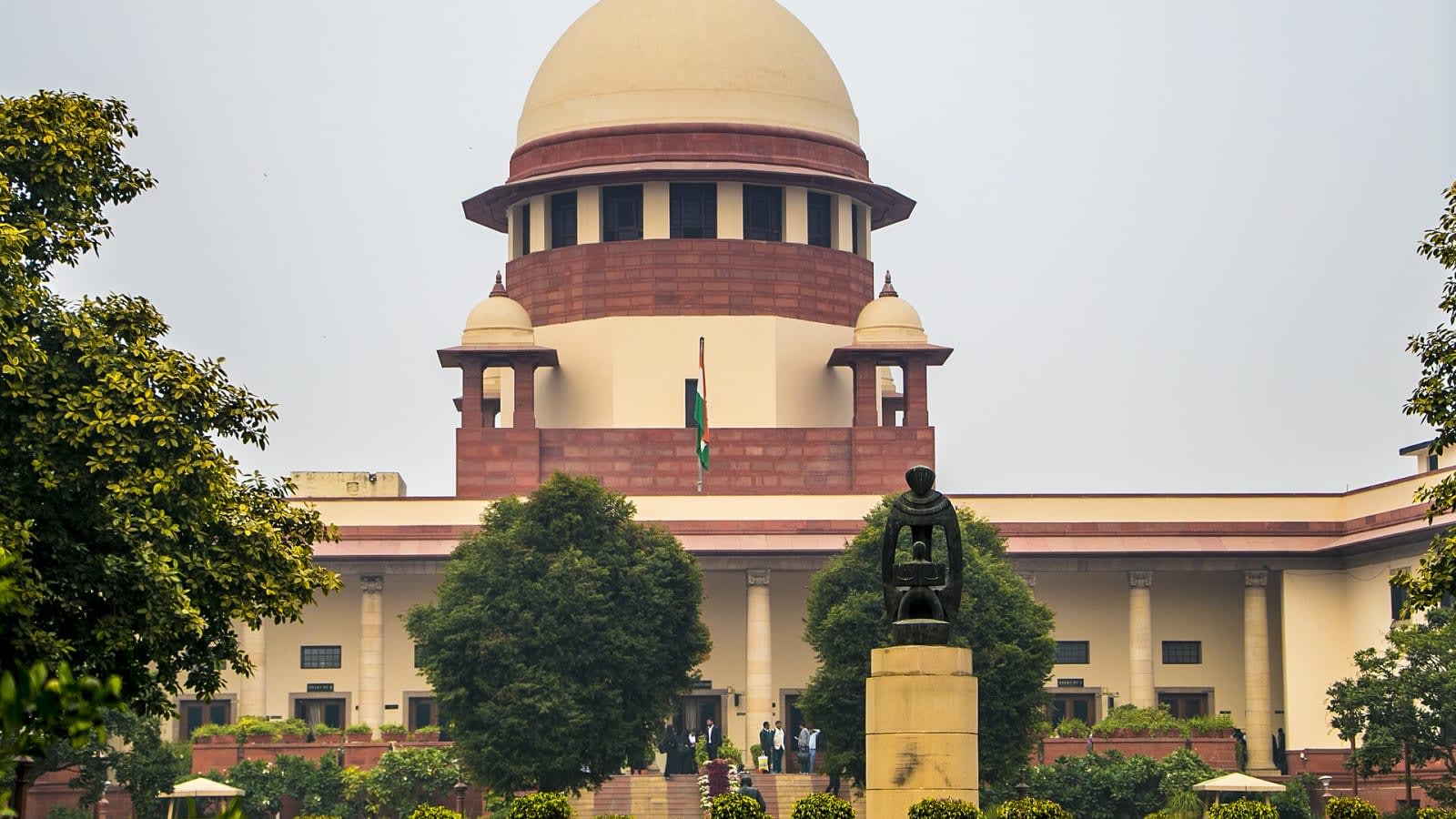
The administrative rollout proceeds alongside hearings before the Supreme Court. A bench comprising Chief Justice Surya Kant and Justice Joymalya Bagchi issued notice to the poll body on petitions filed by opposition leaders regarding electoral revision procedures.
During proceedings following a political march organised toward the court premises, the bench issued a firm caution regarding judicial autonomy. "Nobody can browbeat the judiciary. We are not sitting in ivory towers," the bench observed, making clear that constitutional adjudications will proceed strictly according to legal merit rather than political demonstrations.
Seventeen other states and Union Territories currently concluding intensive revision exercises will follow a separate revision timetable, while schedules for Himachal Pradesh, Jammu and Kashmir, and Ladakh will be determined after taking local winter conditions into account.
Key numbers
| What | Figure | Source |
|---|---|---|
| States and UTs covered by the summary revision | 17 | Election Commission of India order |
| Qualifying date for voter eligibility | 1 January 2027 | Election Commission of India order |
| Maximum voters per polling booth | 1,200 | Election Commission of India directive |
| Date for final roll publication | 4 January 2027 | Election Commission of India timetable |
Questions readers are asking
What is the difference between a Special Summary Revision and an intensive revision?
A Special Summary Revision is a routine annual update focusing on enrolling newly eligible voters and correcting details. An intensive revision involves comprehensive door-to-door enumeration to verify the residency and eligibility of every listed elector.
Which states are covered under this revision order?
The revision applies to 17 states and Union Territories, including Uttar Pradesh, Uttarakhand, Punjab, Goa, Manipur, Bihar, Rajasthan, West Bengal, Tamil Nadu, Kerala, Gujarat, Madhya Pradesh, Assam, Chhattisgarh, Puducherry, Lakshadweep, and Andaman and Nicobar Islands.
In this story
| Name | Role in the story |
|---|---|
| Election Commission of India | Constitutional authority that issued the order for the Special Summary Revision across 17 states. |
| Supreme Court of India | Highest judicial forum hearing petitions and asserting judicial independence regarding voter roll procedures. |