Ex-CJI Chandrachud affirms Collegium unanimity following former judge SK Kaul's memoir remarks
Official records show all Supreme Court recommendations were endorsed without formal dissent, former CJI says following reflections in retired judge's upcoming book.

Consensus and consultation in judicial appointments
Former Chief Justice of India D.Y. Chandrachud has affirmed that all decisions taken by the Supreme Court Collegium during his tenure were unanimous, responding to reflections made by retired judge Sanjay Kishan Kaul in his upcoming memoir.
Justice Chandrachud noted that official Collegium resolutions published on the Supreme Court website demonstrate complete unanimity across recommendations, with no formal dissent recorded by Justice Kaul during their shared tenure. The clarification comes after excerpts from Justice Kaul’s forthcoming book, Without Fear or Favour, raised questions regarding executive consultation and administrative processes during judicial selection.
Addressing the decision-making framework, Justice Chandrachud explained that recommendations were never made abruptly. Judges engaged in multiple rounds of formal and informal discussions before shortlisting candidates, ensuring a collaborative approach aimed at maintaining institutional stability and consensus within the highest court.
Perspectives on Collegium functioning
In his memoir, Justice Kaul recalled an instance involving six Supreme Court vacancies where five names had been agreed upon prior to formal deliberations. He expressed reservations about preliminary consultations with the executive, distinguishing between routine administrative consultation and prior approval.
Justice Kaul also recounted an instance involving a candidate from a minority faith, where initial queries raised by the executive were subsequently resolved through dialogue, leading to the government accepting the recommendation.
| Issue | Former CJI D.Y. Chandrachud | Justice (retd) Sanjay Kishan Kaul |
|---|---|---|
| Collegium consensus | All resolutions were unanimous with no formal dissent recorded | Endorsed final recommendations but urged firmer boundaries |
| Consultation process | Involves structured informal and formal dialogue before proposals | Expressed concern over preliminary discussions with executive |
| Meeting atmosphere | Conducted in a congenial environment with multi-round consensus | Characterised by distinct viewpoints on administrative matters |
Administrative procedures and judicial efficiency
The memoir also touches upon administrative matters, including the allocation of cases and bench assignments under the Master of Roster framework. Justice Kaul referenced the reassignment of a matter concerning the Prevention of Money Laundering Act (PMLA), noting that case allocations should remain consistent to maintain procedural predictability.
Justice Kaul clarified that despite discussions regarding case scheduling near his retirement in December 2023, he and fellow bench members proceeded strictly according to judicial conscience and protocol.
Political commentary followed the publication of the book extracts, with Congress general secretary Jairam Ramesh raising questions on social media regarding judicial administration. However, official records and statements from former judicial leadership continue to underscore that consensus, robust deliberation, and institutional continuity remained the cornerstone of the judicial appointment process.
Key numbers
| What | Figure | Source |
|---|---|---|
| Supreme Court vacancies discussed | 6 | Justice (retd) Sanjay Kishan Kaul memoir |
| Agreed candidate names in advance | 5 | Justice (retd) Sanjay Kishan Kaul memoir |
| Formal dissents recorded by Justice Kaul on Collegium decisions | 0 | Former CJI D.Y. Chandrachud |
In this story
| Name | Role in the story |
|---|---|
| D.Y. Chandrachud | Former Chief Justice of India who clarified that Collegium decisions were unanimous. |
| Sanjay Kishan Kaul | Retired Supreme Court judge whose memoir reflects on Collegium discussions. |
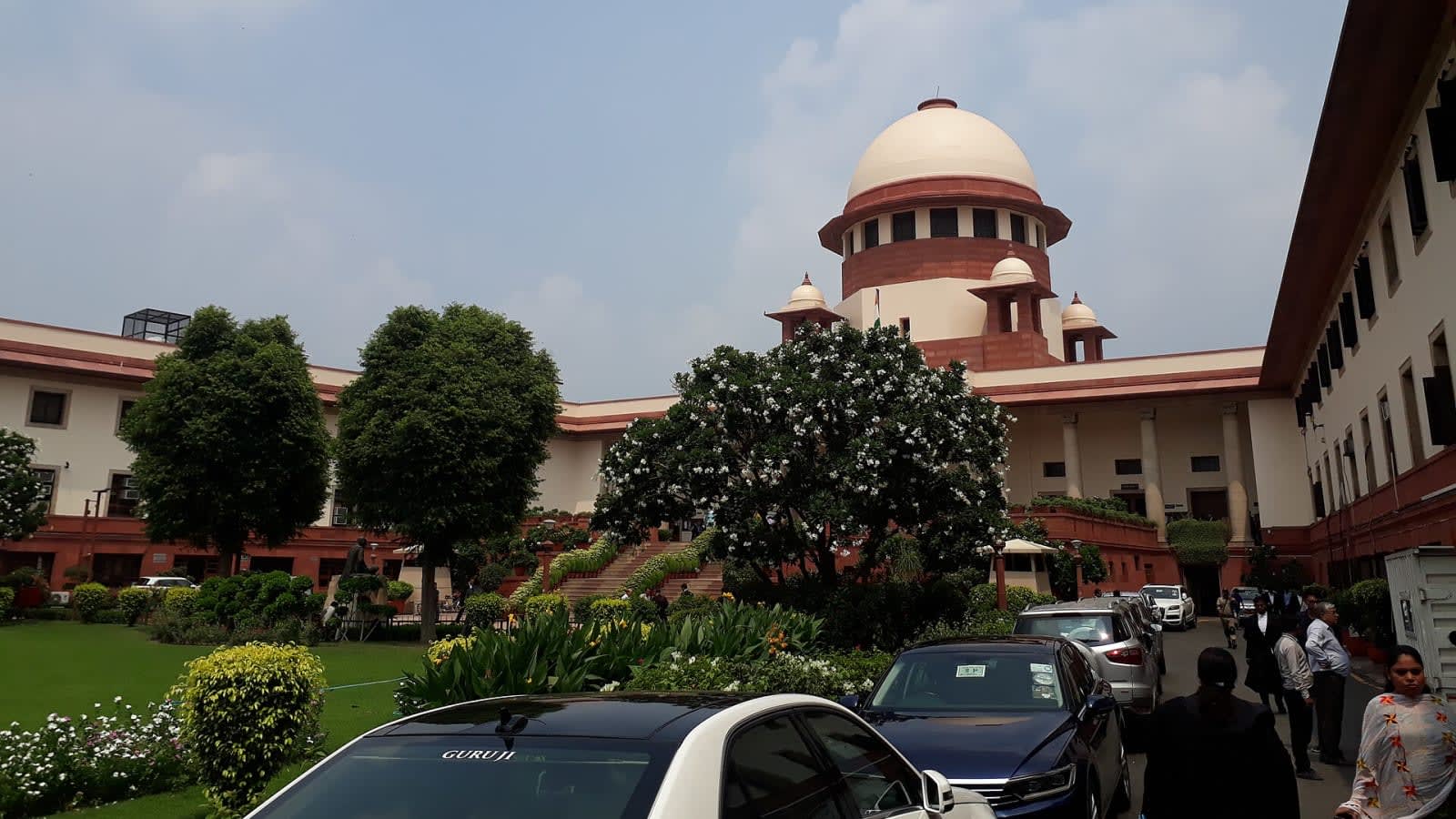
| Supreme Court of India | Apex court where Collegium deliberations took place. |