Gauhati High Court questions Assam government over demolition of 21 homes
The Gauhati High Court termed the demolition of homes on private agricultural land in Goalpara 'prima facie illegal' and a violation of natural justice.
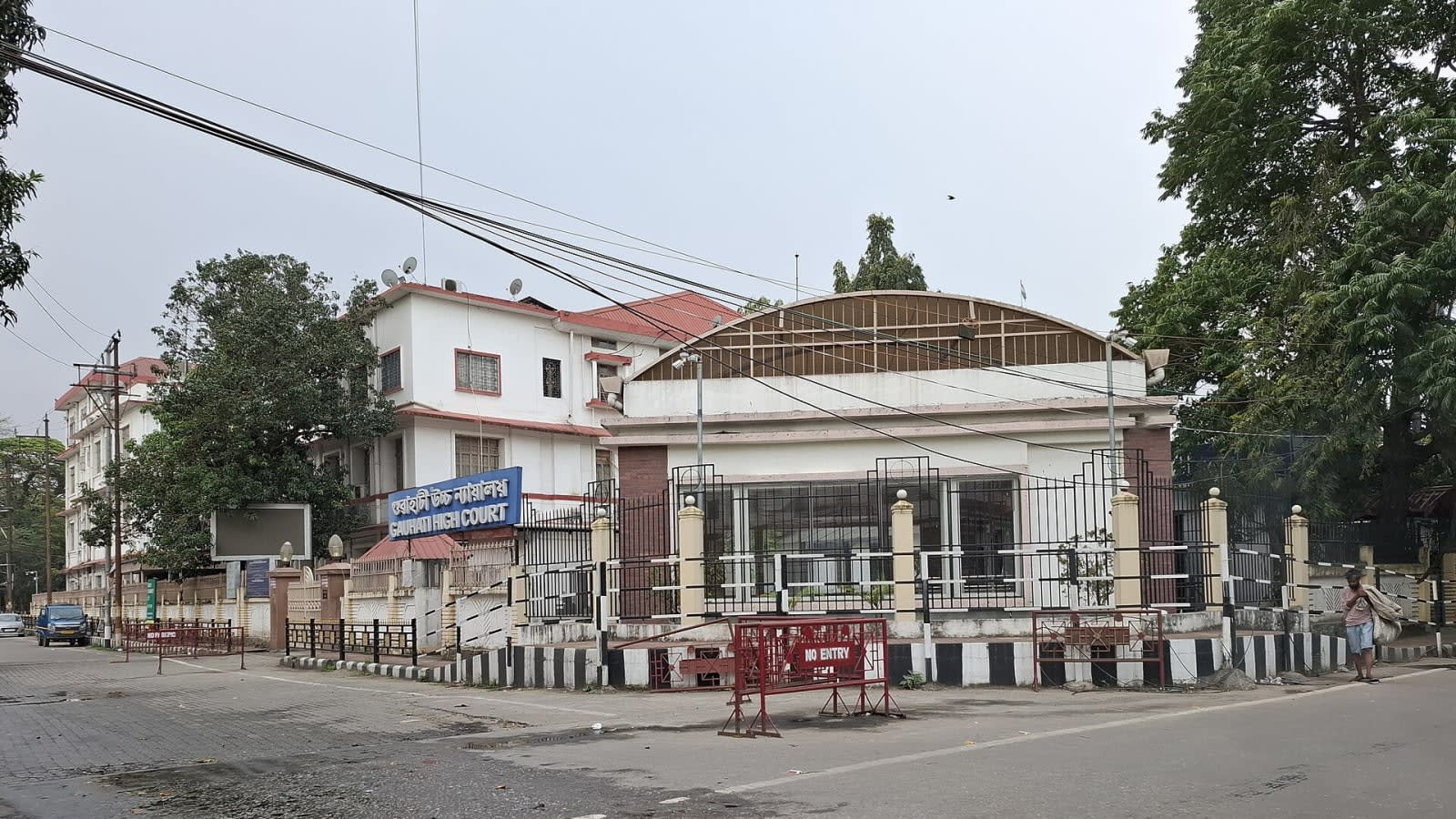
What happened
The Gauhati High Court has demanded to know what "imminent danger" prompted the Assam government to demolish 21 homes on private agricultural land, calling the local administration's sudden action "prima facie illegal and unauthorised".
The demolition occurred in western Assam's Goalpara district in the early hours of 7 September 2026, displacing 73 families, who are mostly Muslim. Local officials defended the clearance by arguing that the houses had been built without permission and were obstructing natural drainage channels and water bodies. The operation marked a sharp departure from earlier government eviction drives in the district, which had typically targeted people living on state-owned forest land.
Unconstitutional haste
However, the affected residents, led by Jahidul Islam, immediately took the matter to court. Their senior counsel, Shantanu Borthakur, argued that the homeowners were given no real opportunity to defend themselves or be heard. The Circle Officer of the Matia Revenue Circle had only served notices on 5 September, giving the families a mere 24 hours to tear down their own homes before bulldozers arrived less than two days later.
Justice Devashis Baruah, presiding over the case, expressed serious concern over how the authorities had behaved. He observed that serving such notices in this manner was "absolutely unthinkable" today. The court ruled that the swift demolition bypassed the basic principles of natural justice, which are protected as fundamental rights under Articles 14 and 21 of the Indian Constitution.
Property rights and emergency powers
Crucially, the houses were built on "patta" land, meaning the residents held official deeds of ownership. Justice Baruah pointed to the Assam Agricultural Land Act of 2015, which explicitly states that anyone can build a home of up to two storeys on agricultural land smaller than one bigha—roughly a third of an acre—without needing any prior permission from a District Commissioner.
Because the land was private, the court questioned why the administration had resorted to drastic emergency laws, specifically invoking the Disaster Management Act of 2005 alongside the Assam Land and Revenue Regulation of 1886. The notices, the court observed, showed no evidence of any immediate hazard that would justify such heavy-handed intervention on private property.
What happens next
The High Court has now ordered the District Commissioner and the Circle Officer to halt any further actions on the residents' land. The government's legal representative has been instructed to find out exactly what emergency the local authorities believed they were tackling and report back to the court.
Meanwhile, the displaced families have been granted permission to submit an additional affidavit detailing the destruction of their homes and the exact financial losses they have suffered.
Key numbers
- 21
- 73
- 24 hours