Jhansi women lead rural enterprise with Take-Home Ration plant
Women in Bhojjala gram panchayat pool savings to supply anganwadi centres, turning grassroots enterprise into steady household income.
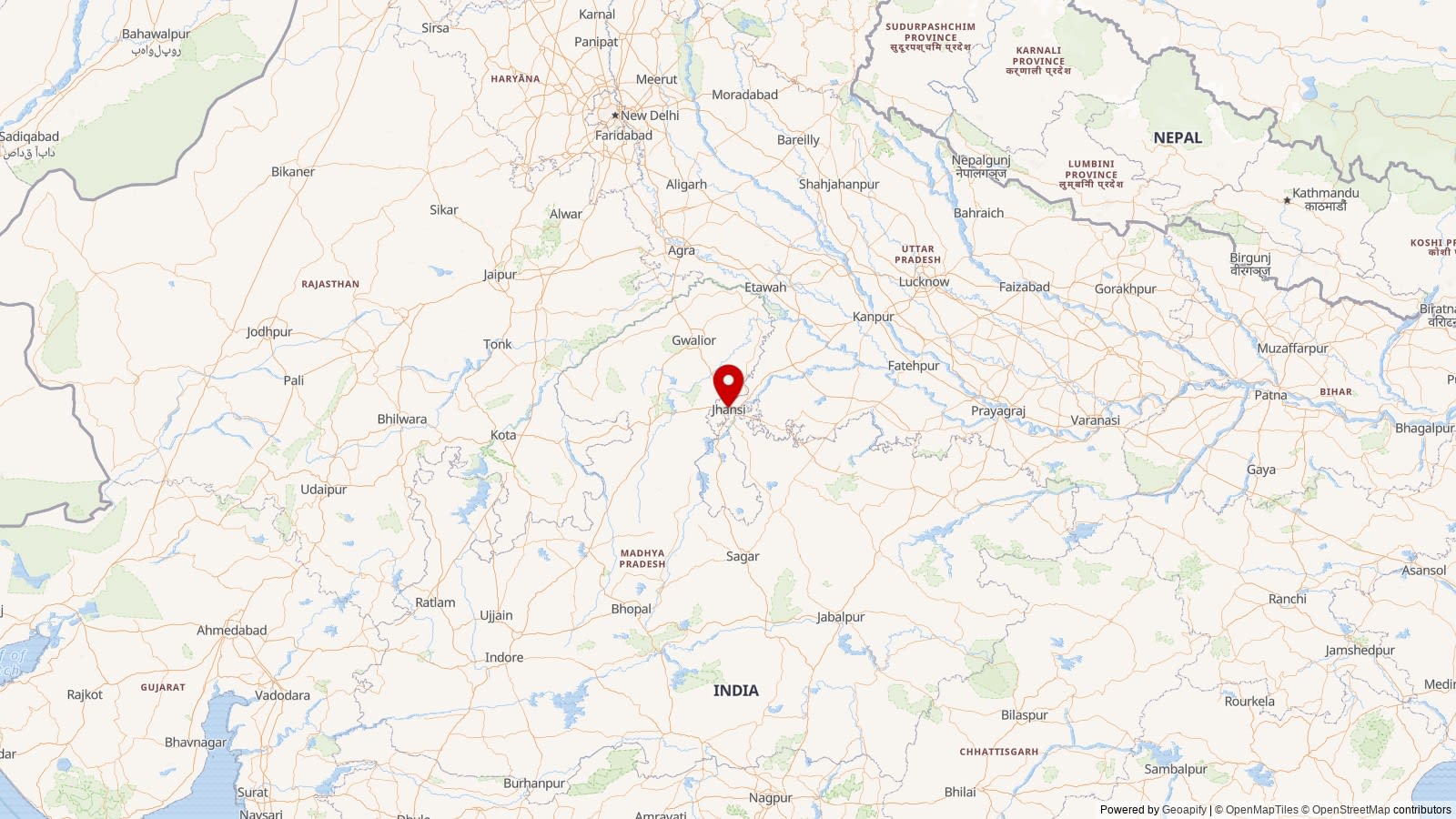
In Bhojjala gram panchayat near Jhansi, women from 17 self-help groups have pooled their personal savings to set up and run a commercial Take-Home Ration plant, turning supplementary nutrition distribution into a self-sustaining rural business.
The micro-enterprise operates under the Uttar Pradesh government's self-help group livelihood initiative, designed to decentralise nutrition procurement while creating steady employment in rural districts. Instead of relying on outside contractors, anganwadi centres receive fortified food directly from local women who manufacture and package the supplies within their own block.
What the Jhansi plant produces
The facility manufactures several nutrient-dense food formulations intended for young children and mothers visiting local anganwadis. The daily output includes energy-rich porridge, moong dal preparations, halwa mixes, and micronutrient-fortified barfi.
By managing both sourcing and processing, the collective keeps value addition within the village economy while ensuring regular delivery to nearby welfare centres.
| Member | Group role | Former occupation | Household impact |
|---|---|---|---|
| Draupadi | Group president | Tailor, farm labourer | Funds better schooling for children |
| Saroj | Plant operator | Homemaker | Enrolled children in private school |
| Vinita | Production member | Unemployed | Provides primary financial support to husband |
Overcoming domestic opposition
For many of the women involved, entering formal manufacturing required pushing past rigid domestic expectations. In several households, male relatives initially resisted the idea of women leaving the domestic sphere to operate heavy machinery or handle commercial finance.
Vinita encountered firm family pushback when she first proposed joining the initiative. Today, her regular earnings help sustain her household and provide critical financial backing for her husband.
Draupadi, who serves as the collective's president, previously pieced together an insecure living by combining seasonal agricultural labour with tailoring. The regular cash flow from the ration facility now covers routine household bills and has enabled her to upgrade her children's schooling.
Saroj experienced a similar shift in her family's standard of living, using her manufacturing income to transfer her children into a private school.
Strengthening rural delivery
The Bhojjala plant demonstrates how structured state support can link public nutrition mandates with community entrepreneurship. By placing production directly into the hands of village cooperatives, the Yogi Adityanath administration has established an operational model that tackles malnutrition while building durable household financial security across the Bundelkhand region.
The local administration has not yet specified whether similar community-funded manufacturing units will be expanded into neighbouring blocks across the district during the coming fiscal cycle.
Key numbers
| What | Figure | Source |
|---|---|---|
| Self-help groups involved | 17 | Bhojjala gram panchayat enterprise records |
| Funding source | Pooled member savings | Group collective statements |
| Key products | Barfi, halwa, porridge, and moong dal mixes | Plant operational disclosures |
In this story
| Name | Role in the story |
|---|---|
| Draupadi | President of the self-help group running the ration plant. |
| Vinita | Member of the production collective who overcame family resistance. |
| Jhansi | District in Uttar Pradesh where the Take-Home Ration plant is located. |
| Bhojjala | Gram panchayat housing the collective manufacturing unit. |
| Saroj | Member of the production collective in Bhojjala. |