Solar Didis drive rooftop solar adoption across Uttar Pradesh
Women from urban self-help groups are taking the Centre's clean energy drive door to door, guiding families onto the official solar portal.

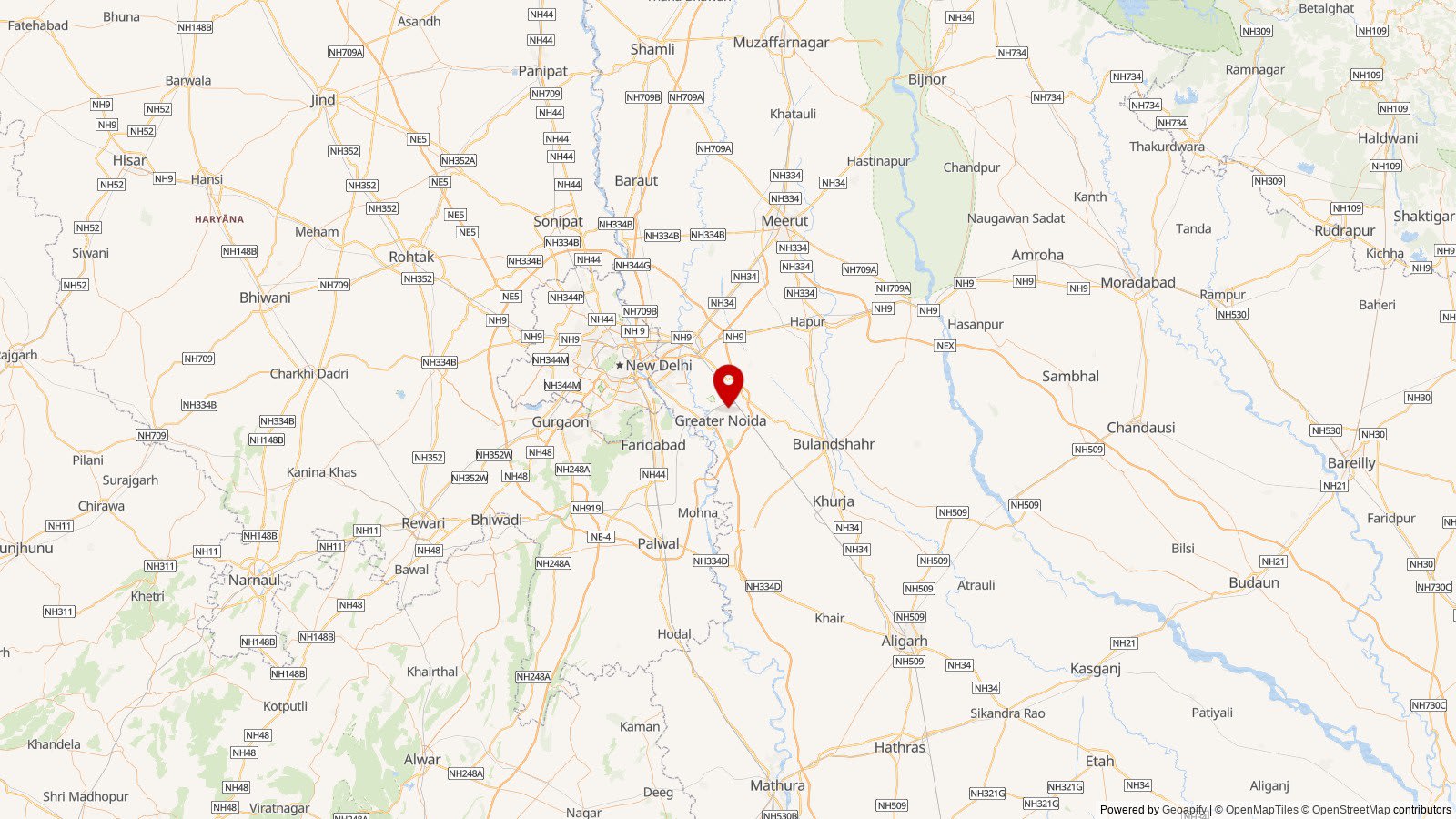
Women across Uttar Pradesh are taking clean energy awareness directly to residential doorsteps under the Solar Didi initiative, turning community networks into a practical delivery engine for India’s rooftop solar drive.
The push connects local neighbourhoods to the Centre’s flagship Pradhan Mantri Surya Ghar: Muft Bijli Yojana. While the central scheme offers direct financial assistance to households installing solar systems, many families struggle with the paperwork, technical questions, or registration portals. The Solar Didis step in to solve that exact problem.
How the outreach model works
The initiative draws on women already organised under the Deendayal Antyodaya Yojana–National Urban Livelihoods Mission (DAY-NULM). According to the Ministry of New and Renewable Energy, these self-help group members undergo dedicated training to understand rooftop solar technology, government eligibility requirements, and the digital application pathway.
Equipped with that training, the women act as local guides. They explain how rooftop panels reduce electricity bills, calculate whether a property qualifies, and walk families step by step through the official national portal. They also help connect interested householders with authorised installation agencies, turning vague interest into registered applications.
The initiative is an outreach and facilitation programme rather than an independent subsidy. The financial support delivered to households remains governed entirely by the rules and subsidies of the PM Surya Ghar scheme.
Backing Uttar Pradesh's clean energy goals
The door-to-door network fits neatly into the state’s broader development agenda. Uttar Pradesh has been stepping up its renewable capacity under the Uttar Pradesh Solar Energy Policy 2022, with the Uttar Pradesh New and Renewable Energy Development Agency (UPNEDA) coordinating implementation across districts.
By anchoring awareness within urban self-help groups, the state mobilises trusted local figures who already know their neighbours. That grassroots access removes hesitation for families who might otherwise find solar technology or government portals daunting.
The model also brings women directly into India's green economy, offering them structured technical knowledge and a recognised role in municipal energy transitions. Local implementation, exact duties, and incentives are managed under designated scheme guidelines.
The PM Surya Ghar mission
The central government launched the PM Surya Ghar: Muft Bijli Yojana on 13 February 2024, setting a clear national milestone: establishing rooftop solar installations on one crore homes across the country by March 2027.
By lowering household electricity expenses and reducing pressure on the conventional grid, the programme forms a core pillar of India's long-term energy security. Ground-level efforts such as the Solar Didi network ensure that central assistance translates quickly into functioning rooftop panels in neighbourhoods across the state.
Key numbers
| What | Figure | Source |
|---|---|---|
| PM Surya Ghar target | One crore residential households by March 2027 | Central government scheme guidelines |
| PM Surya Ghar launch date | 13 February 2024 | Ministry of New and Renewable Energy |
In this story
| Name | Role in the story |
|---|---|
| Pradhan Mantri Surya Ghar: Muft Bijli Yojana | Central rooftop solar subsidy programme targeted at one crore households. |
| Uttar Pradesh | State where the Solar Didi outreach initiative is being rolled out. |
| Ministry of New and Renewable Energy | Union ministry overseeing renewable programmes and training frameworks. |