Lindsay Clancy's lawyer seeks judge's acquittal and presidential pardon after mistrial
Defence attorney Kevin Reddington has urged Judge William Sullivan to declare Lindsay Clancy not guilty, while also making an unconventional appeal to President Donald Trump for a pardon.
What happened
Lindsay Clancy's high-profile murder trial concluded in a mistrial last Friday, 4 September, after jurors deliberated for nearly 40 hours over seven days without reaching a unanimous verdict. Defence attorney Kevin Reddington promptly filed a motion requesting Judge William Sullivan, who oversaw the proceedings, to declare Clancy not guilty of murder by reason of insanity.
The mistrial came after the 12-member jury repeatedly informed Judge Sullivan they were deadlocked. Jurors have since begun speaking out, largely expressing frustration and sadness over the outcome, with many indicating a strong majority favoured finding Clancy not criminally responsible.
The defence's moves
Mr Reddington’s motion to Judge Sullivan argues that prosecutors failed to prove beyond a reasonable doubt that Clancy was criminally responsible for the deaths of her three young children, despite her admitted actions. He contended that even the prosecution's expert witnesses agreed Clancy was suffering from a serious mental illness at the time. Mr Reddington also claimed that 11 of the 12 jurors were prepared to find Clancy not guilty by reason of lack of criminal responsibility before the mistrial was declared.
Separately, Mr Reddington made a public appeal to President Donald Trump, asking him to consider a pardon for Clancy. During an appearance on Good Morning America, Mr Reddington said, "Mr President, I would hope that you would consider this young lady and the person she is, what she's been through, and consider a pardon." However, the power of a presidential pardon is strictly limited to federal offences, and legal experts from the US Department of Justice confirmed Clancy would need to appeal to Massachusetts state authorities, not the president, for clemency in her state-level murder charges.
Jurors on the deadlock
Several jurors have described the deliberations as an "emotional rollercoaster," marked by "lots of crying" and intense discussions. A foreperson, a retired fifth-grade teacher, told NBC10 she was "so sad" they couldn’t reach a verdict for Clancy. Juror Paula, 65, from Whitman, told NewsCenter 5 that she felt the jury "let down Lindsay" and believes the medical community failed her in addressing her postpartum mental health issues.
The central issue causing the deadlock was a single holdout juror, identified as a man by several other jurors. Multiple accounts suggest this juror acknowledged having reasonable doubt but still refused to vote for a "not guilty by reason of insanity" verdict. Juror Nick Dargie, a 25-year-old military veteran, told ABC News that the holdout juror couldn't cite any evidence or testimony to support his position. Another juror, Devlin, 65, who spoke to the Boston Globe, said that while the man initially shifted his stance on premeditation after seeing evidence, he ultimately remained the lone holdout against acquittal.
However, one anonymous juror who spoke to CBS WBZ-TV offered a defence of the holdout, suggesting he wasn’t the only one unwilling to see things differently, stating, "There were some big personalities in that room."
The trial's core arguments
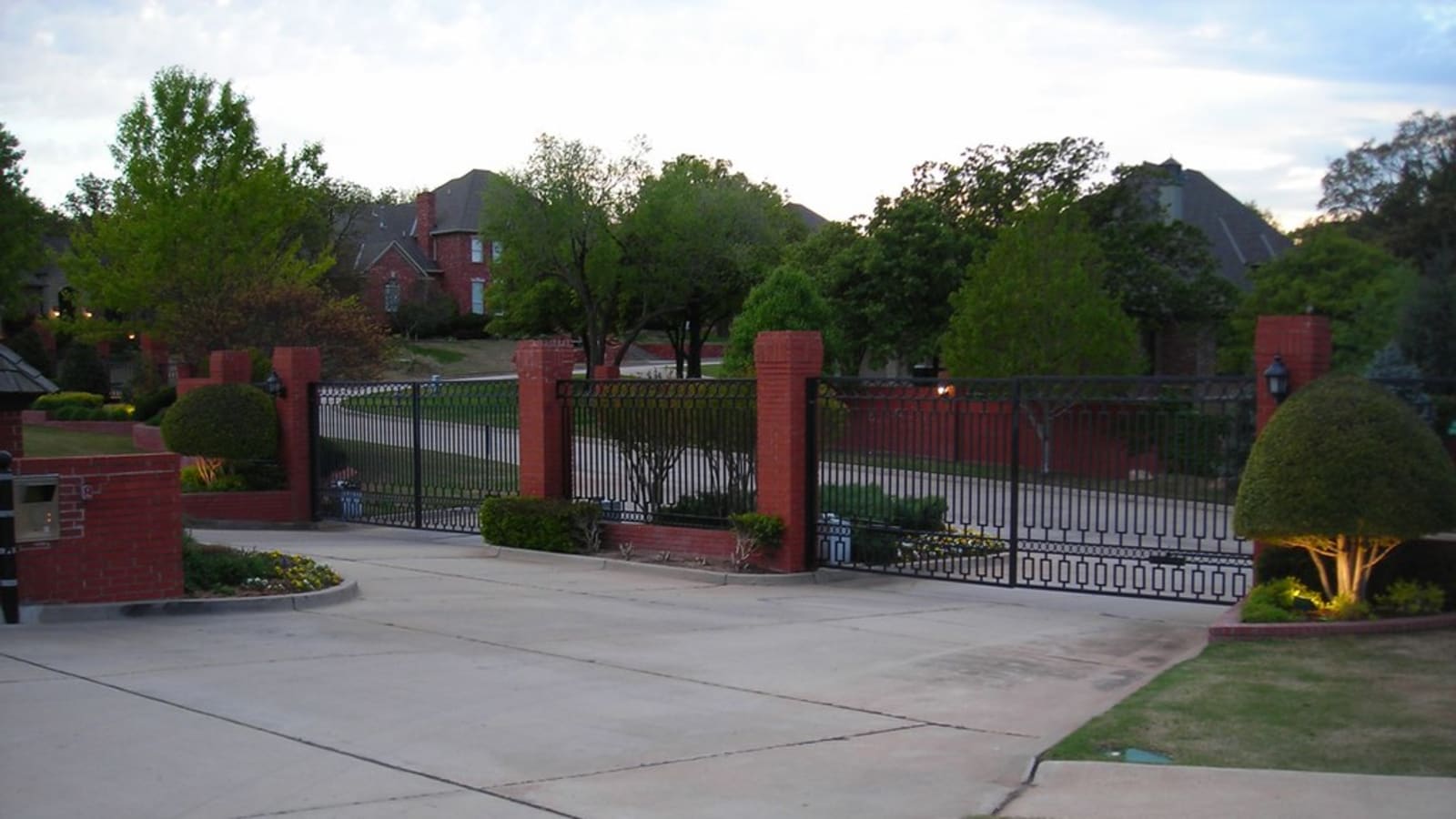
Clancy, 36, admitted to strangling her five-year-old daughter Cora, three-year-old son Dawson, and eight-month-old son Callan in the basement of their Duxbury home on 24 January 2023. She then cut herself with a knife and jumped from a second-story window, an attempt on her own life that left her paralysed. She appeared in court in a wheelchair.
Her defence contended she suffered from severe postpartum psychosis at the time, arguing she lacked criminal responsibility. Prosecutors, on the other hand, sought to prove Clancy made a calculated decision to kill her children, asserting she was in control of her actions. Under Massachusetts law, the prosecution bore the burden of proving beyond a reasonable doubt that Clancy was not suffering from a mental disease or defect that would negate criminal responsibility.
What happens next
District Attorney Timothy Cruz has not yet announced whether his office intends to pursue a second trial. Mr Reddington has expressed hope for an agreement with prosecutors to avoid another trial. A hearing is scheduled for 29 September, where Judge Sullivan is expected to hear arguments on the defence's motion for acquittal.
Clancy remains held at Tewksbury State Hospital. Three jurors who spoke to NBC10 said they hope there is no second trial, but if there is, they plan to attend in support of Clancy.
Key numbers
- 24 January 2023
- 12
- 7
- 40
- 11-1
- 29 September
- 5
- 3