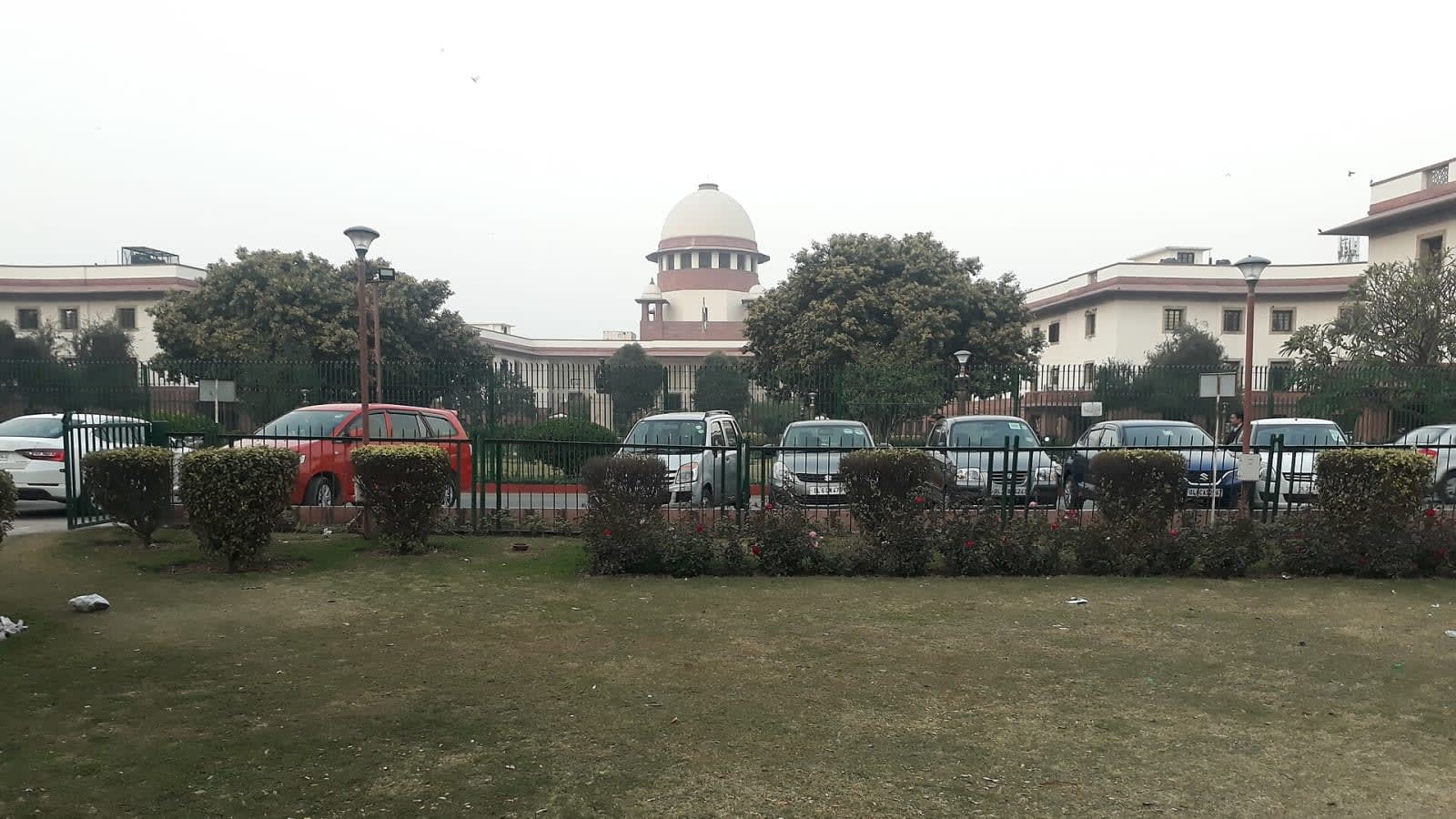
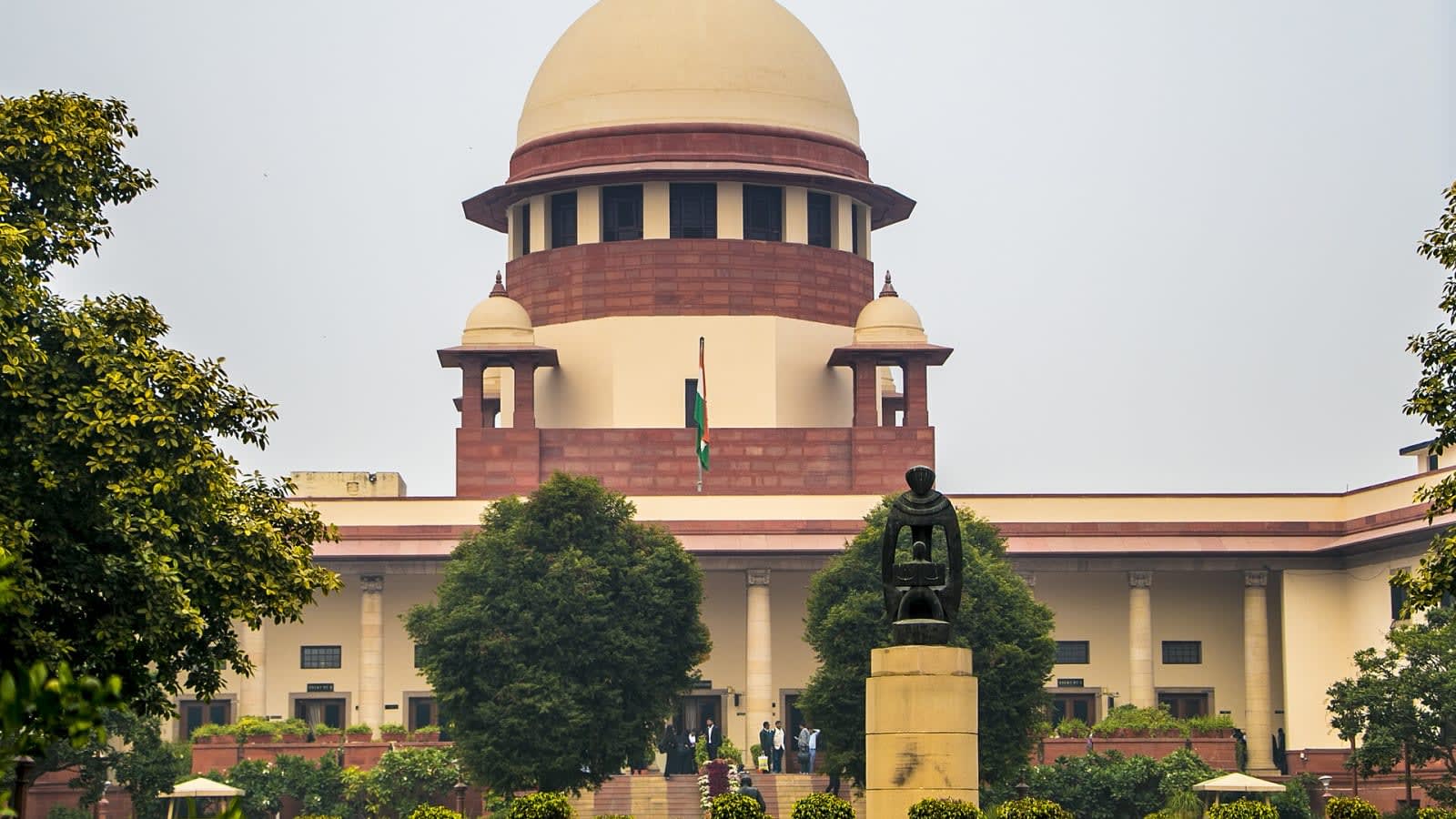
Supreme Court defers Athar Khan bail plea in 2020 Delhi riots case
The top court granted four weeks for a response to the Delhi Police reply in the 2020 northeast Delhi riots conspiracy case.
The Supreme Court on Friday adjourned for four weeks the bail hearing of Athar Khan, who is charged under the Unlawful Activities (Prevention) Act for his alleged role as a key conspirator in the February 2020 northeast Delhi riots.
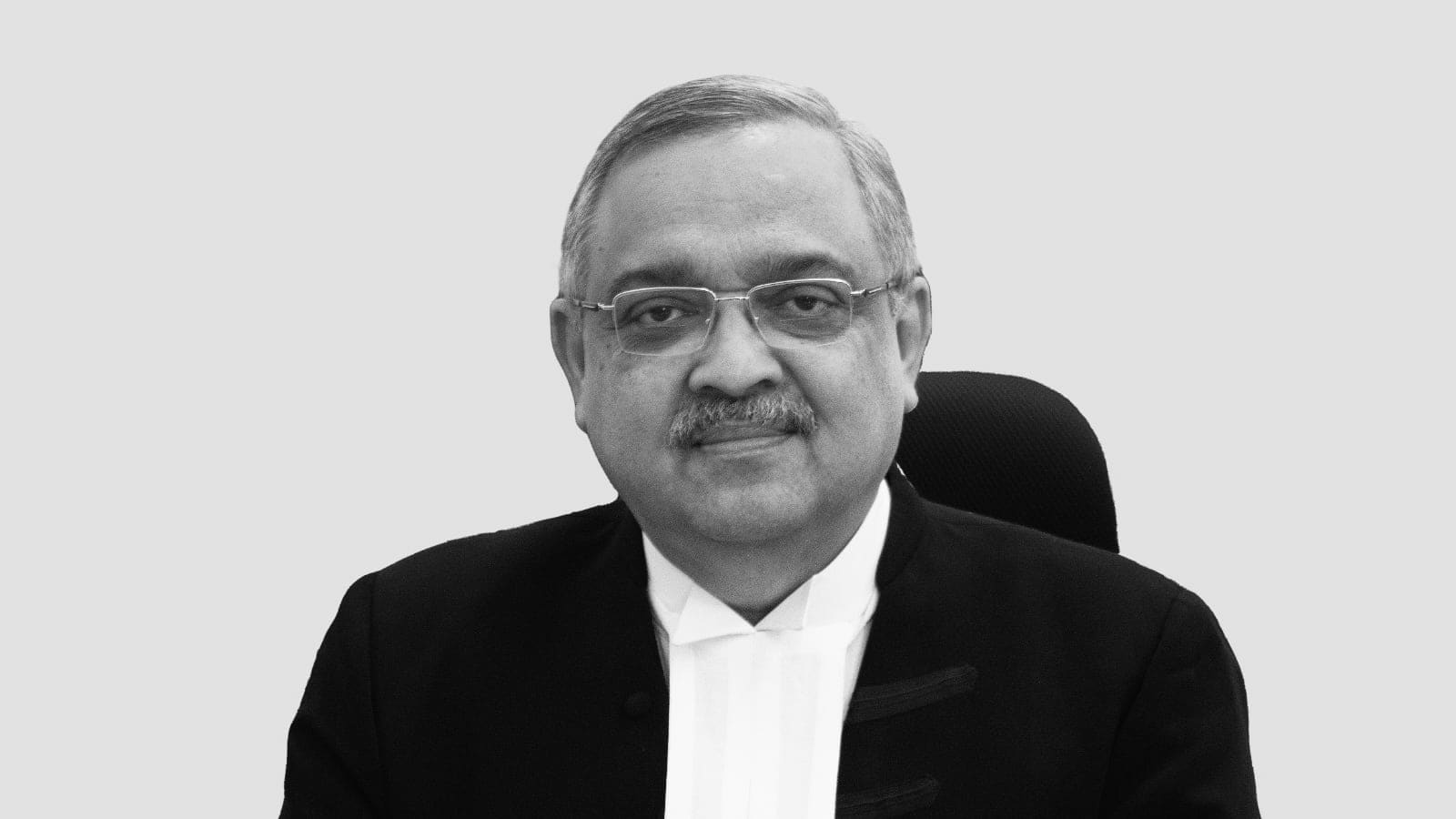
A bench comprising Justices Aravind Kumar and Vipul M. Pancholi deferred the matter after Additional Solicitor General S.V. Raju informed the court that the Delhi Police had filed their formal response. The apex court granted Khan permission to submit a rejoinder to the police filing before taking up the matter again.
Khan is appealing against a Delhi High Court decision on 7 July that refused him bail. The High Court had upheld a trial court order from 29 January denying relief, ruling that Khan acted as a central conspirator who aimed to cause deaths during the violence rather than acting merely as a local operator.
Court rulings and legal timeline
| Court | Decision date | Key ruling on bail |
|---|---|---|
| Trial Court | 29 January | Denied bail; identified Khan as a main conspirator |
| Delhi High Court | 7 July | Dismissed appeal; held charges meet Section 43D(5) UAPA threshold |
| Supreme Court | 16 October 2026 | Adjourned hearing for four weeks for rejoinder submission |
Police findings and conspiracy charges
Investigative findings by the Delhi Police Special Cell identify Khan, a former call centre employee, as one of the primary organisers behind the illegal protest site at Chand Bagh in northeast Delhi. According to police submissions, Khan delivered inflammatory speeches to incite violence and coordinated the systematic destruction of public CCTV cameras to evade law enforcement monitoring.
Material submitted in court, including testimony from a protected witness, indicated that while some participants in a group chat advocated for non-violent demonstrations, Khan insisted on pursuing violent disruptions. Statements recorded in the investigation allege that Khan explicitly declared during secret planning sessions that the time had come to burn Delhi.
The Delhi High Court previously noted that these allegations, combined with evidence of property destruction and loss of life, satisfied the strict statutory threshold under Section 43D(5) of the UAPA, which restricts bail where a prima facie case exists.
Khan’s legal counsel argued for bail on the basis that he had been in custody for six years and described his role as that of a local facilitator, seeking parity with other co-accused who received relief. However, the High Court held that his direct involvement in orchestrating violence set his case apart from those granted bail.
The 2020 northeast Delhi riots resulted in 53 deaths and left more than 700 people injured following violent clashes linked to protests against the Citizenship (Amendment) Act. The Delhi Police Special Cell continues to prosecute the broader conspiracy case, which also names Sharjeel Imam, Umar Khalid, and Khalid Saifi as accused masterminds.
Key numbers
| What | Figure | Source |
|---|---|---|
| Casualties in 2020 Delhi riots | 53 dead, over 700 injured | Delhi Police Special Cell |
| Supreme Court adjournment period | 4 weeks | Supreme Court order |
| Date of High Court bail rejection | 7 July | Delhi High Court judgment |
In this story
| Name | Role in the story |
|---|---|
| Athar Khan | Accused conspirator in the 2020 Delhi riots UAPA case seeking bail. |
| Supreme Court of India | Deferred the bail hearing for four weeks. |