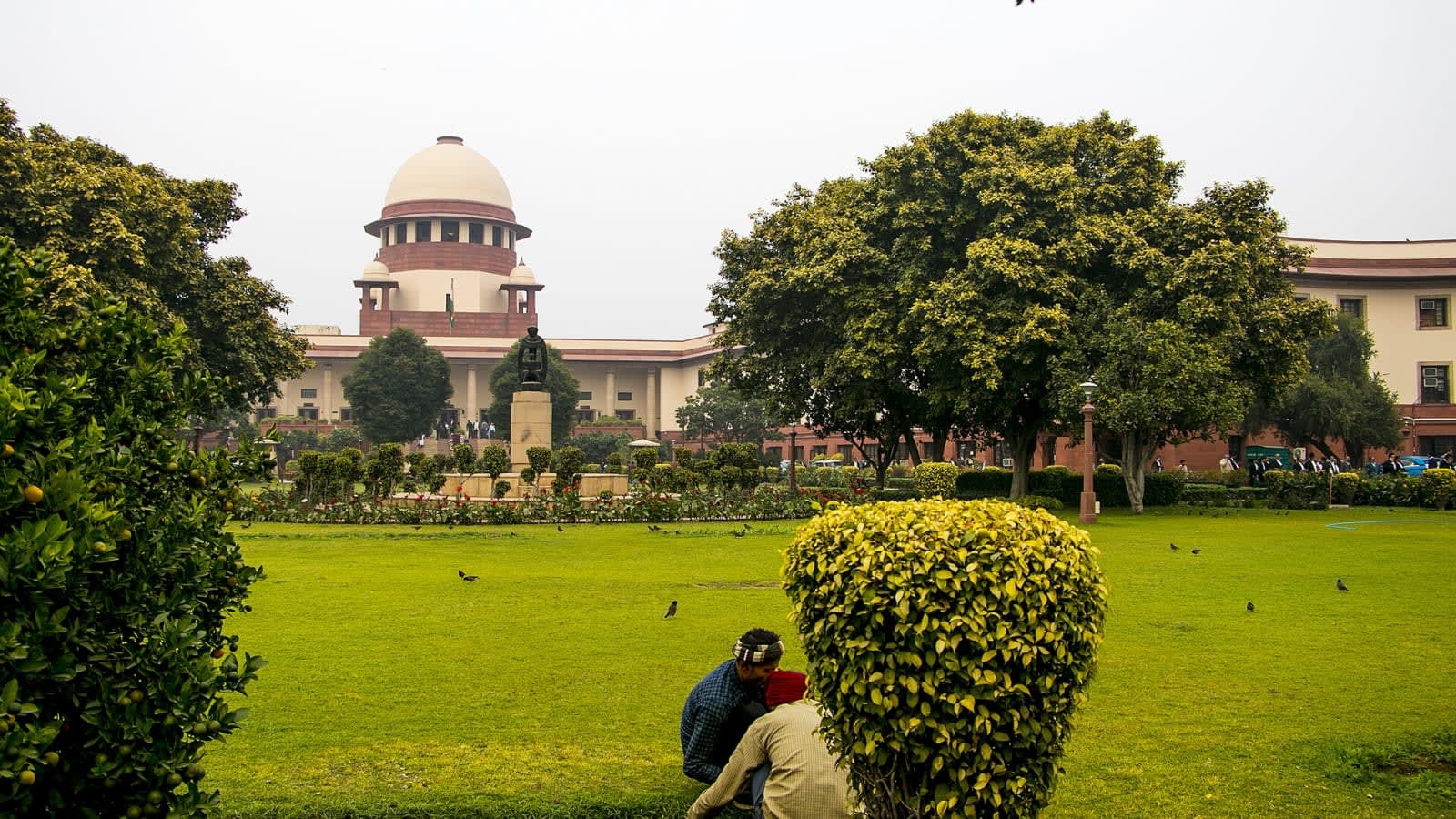
Supreme Court may defer free speech vs legislative privilege ruling after Tamil Nadu assembly withdrawal
The seven-judge bench says it will not waste time on an academic exercise after learning that the 2003 resolution to arrest journalists was withdrawn a year later.
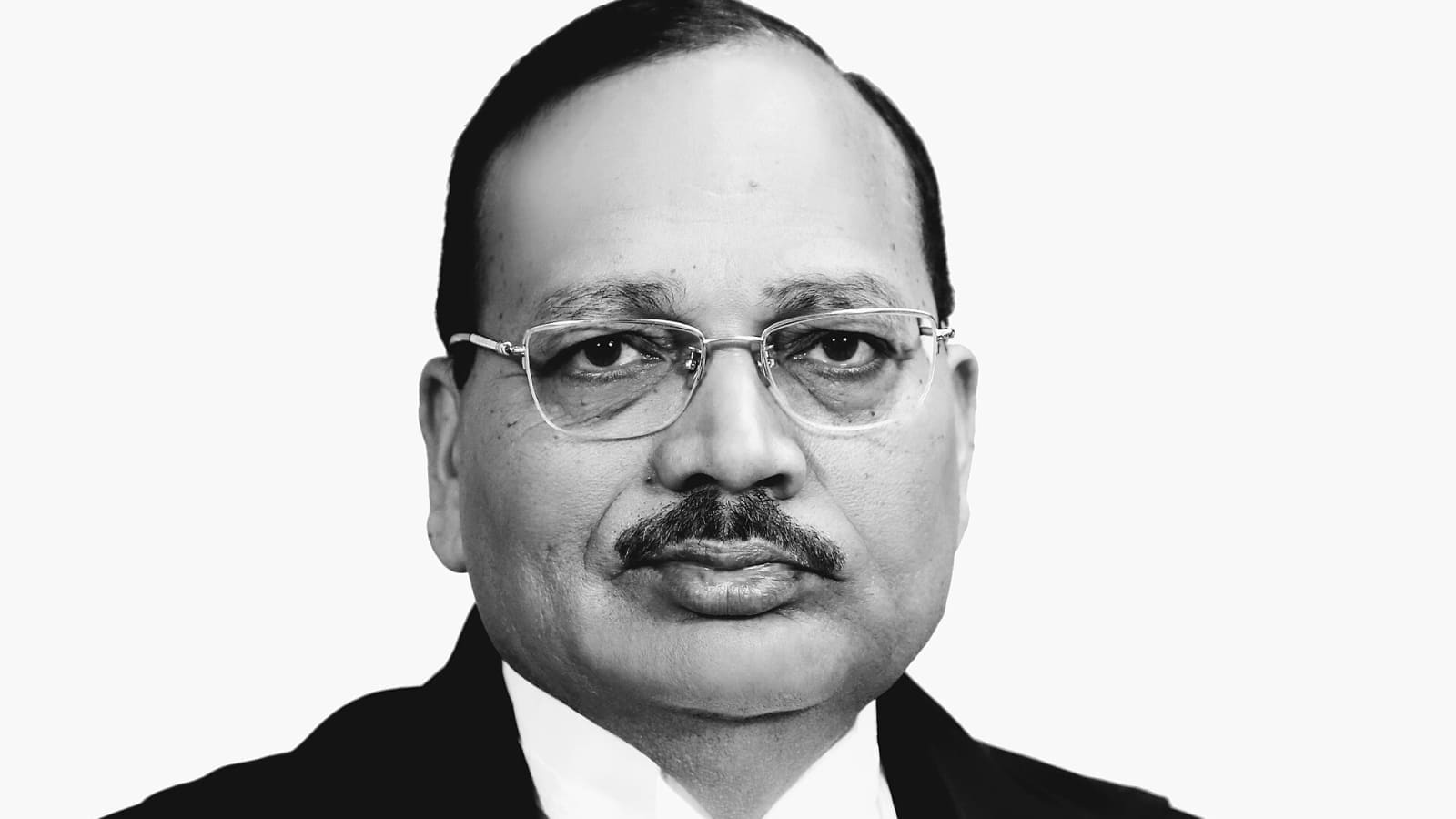
The Supreme Court of India has indicated it may decline to rule on the landmark constitutional clash between free speech and legislative privilege, after discovering that the political dispute at its heart was quietly defused 22 years ago.
A seven-judge bench, led by Chief Justice Surya Kant, was scheduled to begin a major six-day hearing on the issue. However, the court has signalled that it will instead hold a brief session to formally dispose of the case, leaving the broader constitutional questions unresolved for now.
This sudden shift came after senior advocate Raju Ramachandran, representing the Tamil Nadu Legislative Assembly, informed the bench that the 2003 assembly resolution which triggered the legal battle had actually been withdrawn in 2004. Ramachandran pointed out that this withdrawal was never recorded in the court's subsequent orders, meaning judges and litigants had spent years preparing to fight a case that, on paper, no longer existed.
Chief Justice Kant said the court has too many active cases to spend its time on academic exercises. He suggested the bench would bring the current proceedings to an end while keeping the larger legal questions open, allowing them to be decided when a fresh, active dispute comes before the court.
Why the Supreme Court may defer the case
During a preliminary hearing, government representatives and assembly lawyers argued that the matter is now entirely moot. Attorney General R. Venkataramani and Solicitor General Tushar Mehta both agreed with Ramachandran that the case had become academic.
However, lawyers representing the press and public interest groups argued that the core conflict remains urgent. Senior advocate Kapil Sibal, appearing for the petitioners, acknowledged that the specific Tamil Nadu row was "dead," but argued that the larger constitutional clash between state assemblies and the public is still very much alive.
"The issue is of great significance," Sibal said, pushing for the court to address the limits of legislative power.
How the dispute began in Tamil Nadu
The case dates back to November 2003, when the Tamil Nadu Legislative Assembly, then dominated by Chief Minister J. Jayalalithaa’s government, passed a resolution targeting The Hindu newspaper. The assembly's Speaker accused the publication of distorting house proceedings and criticising the government in its editorial columns.
Using its powers of legislative privilege under Article 194 of the Constitution, the assembly sentenced the newspaper's editor N. Ravi, executive editor Malini Parthasarathy, and three other staff members to 15 days in prison. Local police subsequently raided the newspaper’s Chennai office to arrest them.
The journalists quickly appealed to the Supreme Court, which stayed the arrest warrants. The case raised fundamental questions about whether state assemblies can use legislative privilege as a weapon to bypass citizens' free speech protections under Article 19(1)(a).
By late 2004, a five-judge bench had referred the matter to a seven-judge bench, noting that prior Supreme Court rulings from 1959 and 1964 had offered contradictory opinions on the issue. But after that referral, the case sat largely dormant for nearly two decades.
What happens next
The case had recently gained fresh momentum. Several prominent public figures, including journalists Ajit Anjum and Seema Chishti, former politician V. Subhashini Ali, and comedian Kunal Kamra, had applied to join the proceedings. They argued that clarifying the law is essential to protect journalists and commentators who regularly face threats of legislative privilege from state assemblies.
Chief Justice Kant has indicated that the seven-judge bench will meet briefly to resolve the current petitions without ruling on the merits of the free speech debate. The court will wait for a new, live controversy before finally drawing the boundaries of legislative power.
Key numbers
| What | Figure | Source |
|---|---|---|
| Imprisonment sentence handed to editors in 2003 | 15 days | Tamil Nadu Legislative Assembly resolution |
| Year the assembly resolution was withdrawn | 2004 | Statement by senior advocate Raju Ramachandran in court |
| Number of judges on the Supreme Court bench | 7 | Supreme Court records |
In this story
| Name | Role in the story |
|---|---|
| Surya Kant | Chief Justice of India leading the seven-judge bench. |
| Supreme Court of India | The apex judicial body considering the reference on legislative privilege. |
| The Hindu | The newspaper whose editors were targeted by the Tamil Nadu assembly's 2003 resolution. |
| Tamil Nadu Legislative Assembly | The legislative body that passed and later withdrew the disputed resolution. |