
Supreme Court quashes UP police order seeking journalist's digital footprint
The top court called a police demand for months of social media records over an alleged traffic dispute an overkill.
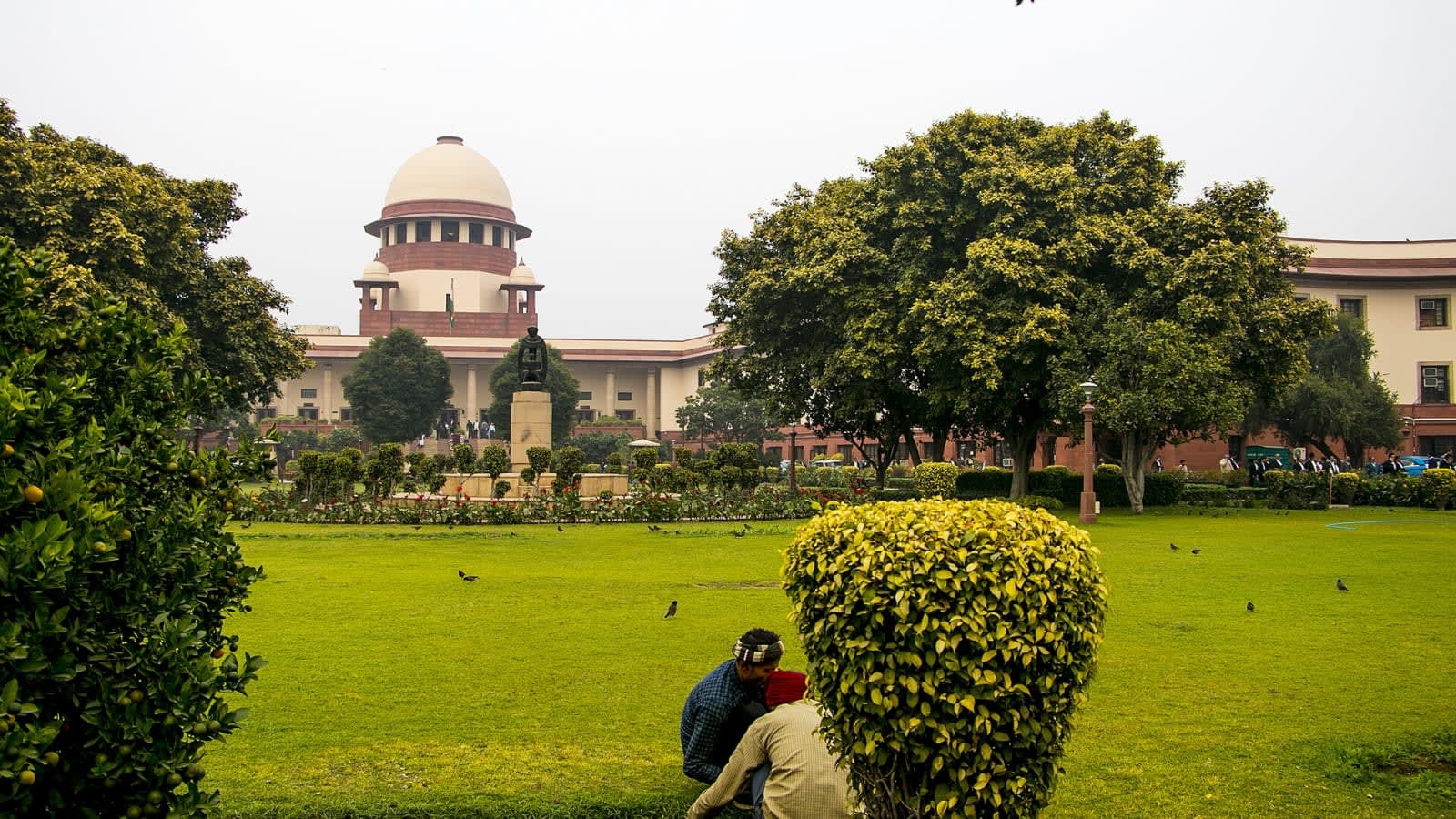
The Supreme Court has set aside an Uttar Pradesh Police order directing social media platform X to hand over the digital browsing history and account activity of journalist Abhishek Upadhyay, calling the demand an "overkill".
A bench comprising Chief Justice of India Surya Kant and Justice Joymalya Bagchi ruled that law enforcement agencies cannot use minor criminal complaints to conduct open-ended inquiries into personal data. Upadhyay had faced an investigation by the Ghaziabad police following an alleged road rage altercation on 18 August near Shipra Mall, where a motorcyclist accused him of verbal abuse and caste slurs.
Four days later, on 22 August, local police served a notice to the nodal officer of X demanding Upadhyay's account data and digital footprints dating back to 1 June.
Limits on data collection
Questioning the justification for accessing records that predated the complaint by more than two months, the bench made clear that personal privacy remains shielded under constitutional safeguards.
"You were asking the service provider for data from June 1, 2026 till August 22 for a road rage that took place on August 18... that appears to be an overkill," the bench observed.
Setting aside the notice, the court directed the police not to rely on any personal data collected prior to the date of the formal complaint. The judges held that post-complaint disclosures also require investigators to prove their demands are strictly proportional and that alternative investigative routes have proved insufficient.
| Order details | Particulars |
|---|---|
| Court bench | Chief Justice Surya Kant and Justice Joymalya Bagchi |
| Date of alleged incident | 18 August 2026 |
| Scope of data sought | 1 June to 22 August 2026 |
| Action on notice | Quashed |
| Arrest status | Stayed until further orders |
| Vehicle status | Ordered released within two days |
Statutory powers and individual protections
Additional Advocate General Sharan Dev Singh Thakur, representing the Uttar Pradesh government, submitted that state police acted within statutory authority under the Information Technology (Intermediary Guidelines and Digital Media Ethics Code) Rules, 2021, which empower investigating agencies to seek information to trace individuals.
The court accepted that statutory authority exists, but stressed that its execution must remain measured. "We are not on whether you have the power under the 2021 Rules but on the manner of implementing the rule," the bench noted, warning that broad data seizures risk infringing on the rights of citizens and journalists alike.
Senior advocate Pradeep Rai, appearing for Upadhyay, told the court that the traffic complaint had been used to target the reporter following his earlier investigative coverage concerning donations at the Ayodhya Ram Temple. Upadhyay had sought the quashing of the first information report or a transfer of the inquiry to an independent agency.
While leaving the broader legality of the underlying complaint to the appropriate trial forum, the Supreme Court extended its stay on Upadhyay's arrest until further orders and directed the Ghaziabad police to release his impounded vehicle within two days. The court also granted him liberty to file a separate petition seeking institutional guidelines on how police agencies may request personal digital records during investigations.
Key numbers
| What | Figure | Source |
|---|---|---|
| Road rage incident date | 18 August 2026 | Supreme Court proceedings |
| Data period sought by police | 1 June 2026 to 22 August 2026 | Ghaziabad Police notice to X |
| Vehicle release deadline | Within two days | Supreme Court order |
In this story
| Name | Role in the story |
|---|---|
| Uttar Pradesh Police | Law enforcement agency that issued the data disclosure notice to X. |
| Surya Kant | Chief Justice of India who presided over the division bench. |
| Supreme Court of India | Heard the petition and quashed the police notice demanding digital records. |
| Abhishek Upadhyay | Journalist whose digital records were sought by Ghaziabad police. |
| Joymalya Bagchi | Supreme Court justice sitting on the bench. |


