Supreme court rejects former NSE chief Chitra Ramkrishna's bid to halt corruption trial
The former exchange boss had argued she could not be prosecuted under anti-corruption laws because the stock exchange is a private company.
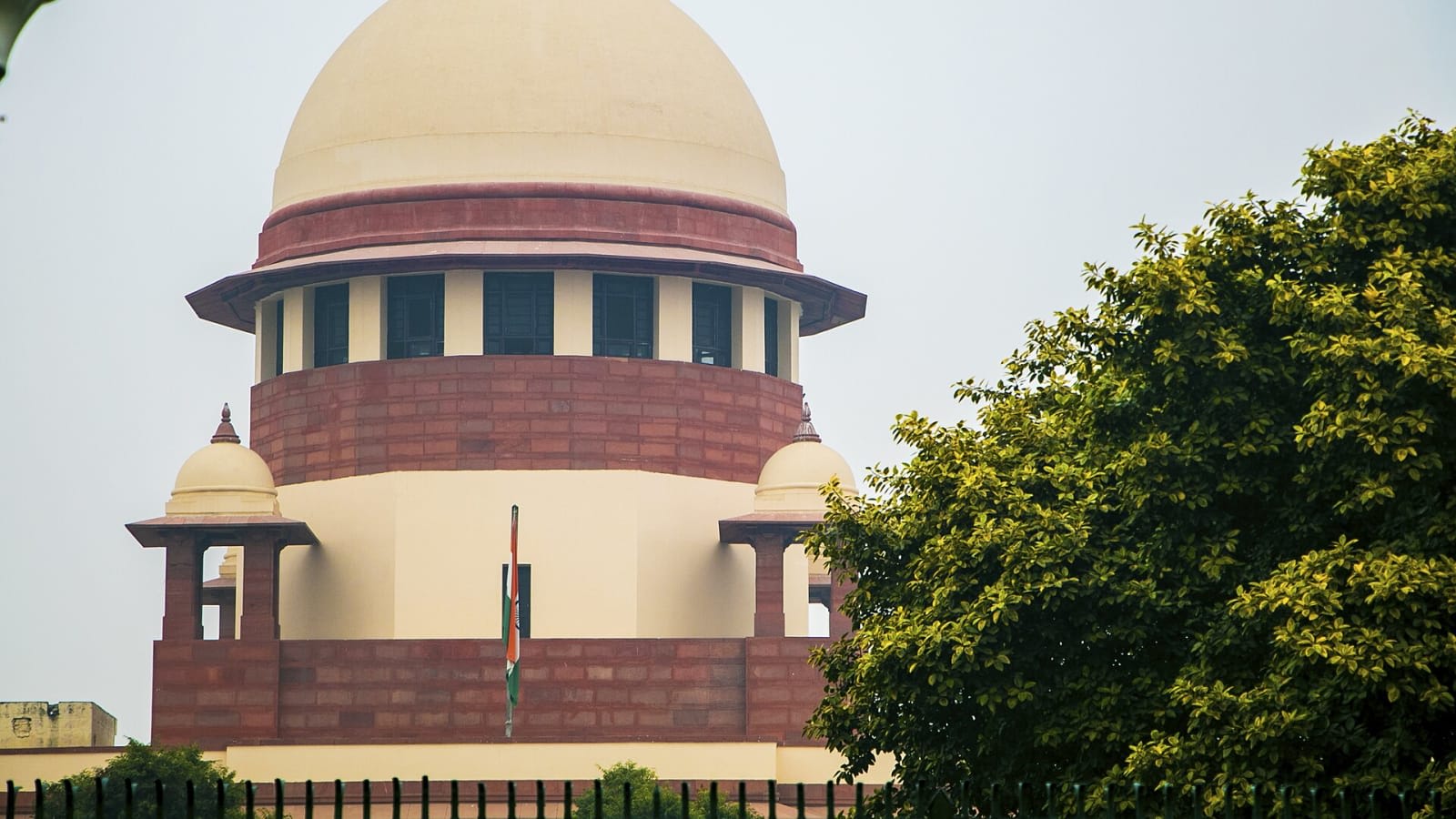
The Supreme Court has rejected a bid by the former chief of the National Stock Exchange, Chitra Ramkrishna, to halt her prosecution under India’s anti-corruption laws.
On Tuesday, a bench of Justices J B Pardiwala and K Vinod Chandran declined to interfere with a Delhi High Court ruling that cleared the way for her trial. The judges ruled that Ramkrishna must instead present her arguments about whether she was performing a public duty directly to the trial court.
Ramkrishna, who led the exchange as managing director and chief executive, is facing charges under the Prevention of Corruption Act linked to the high-profile NSE co-location scandal.
Her legal team, led by senior advocate Balbir Singh, argued that the prosecution is invalid because the NSE is a private, non-government company. Because of this, they claimed, Ramkrishna was not discharging a public duty and could not be legally defined as a "public servant" under the anti-corruption act.
But the Supreme Court found "no error" in the High Court’s previous decision to reject this argument. The High Court had ruled in July that the NSE is not a standard commercial business. Instead, it performs critical economic functions in the public interest, including investor protection, and is largely owned by government companies.
The high-court judges had concluded that the chief executive of such an institution "equally performed a function and duty in which the public at large is invested." The Supreme Court agreed, saying that the details of how much control Ramkrishna had over day-to-day operations and whether her specific actions constituted a public duty are questions of evidence to be sorted out during the trial.
The co-location scandal
The prosecution itself traces back to the co-location scam, which took place between 2010 and 2014. The Central Bureau of Investigation (CBI) alleges that certain brokers were allowed preferential, high-speed access to the exchange’s servers, allowing them to make windfall profits at the expense of others.
According to the CBI, Ramkrishna, who became joint managing director in 2009 and CEO in 2013, helped set up the systems that allowed this manipulation.
The case also involves allegations of major financial irregularities concerning the appointment and frequent salary hikes of her adviser, Anand Subramanian. That appointment drew widespread attention after regulatory filings from the Securities and Exchange Board of India (SEBI) revealed Ramkrishna had shared sensitive exchange data with an unnamed "Himalayan Yogi" — an individual the CBI later alleged was actually Subramanian himself.
Ramkrishna was arrested by the CBI on 6 March 2022, four years after the agency first registered the case. She spent six months in custody before the Delhi High Court granted her bail in September 2022.
Tuesday's Supreme Court decision means she must now face the trial on its merits, where she can still try to convince the trial judge that the anti-corruption laws do not apply to her.
Key numbers
- 15 September 2026
- 6 March 2022
- 2010 to 2014