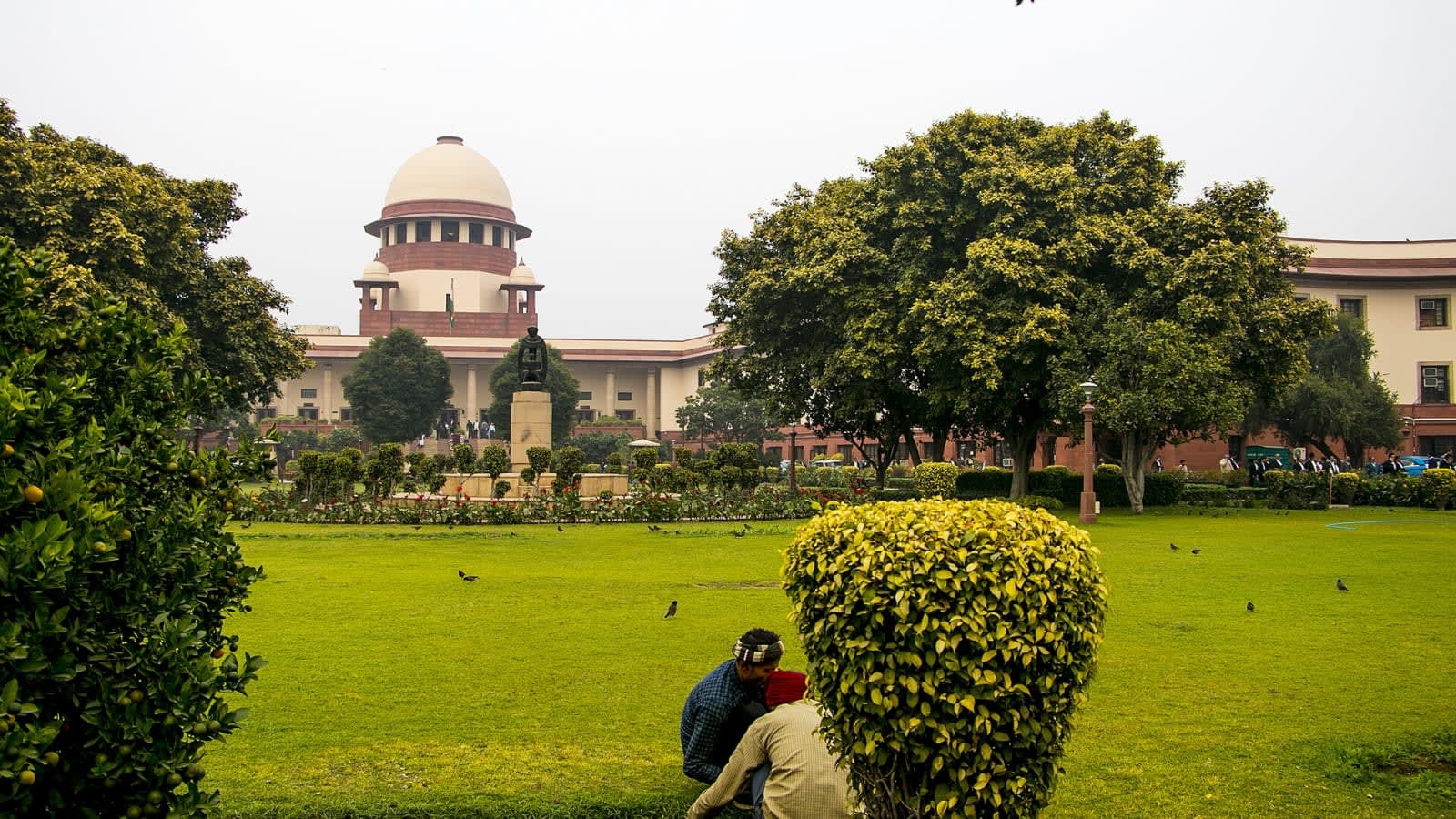
Supreme Court shields Punjab government officials from CBI coercive action
Justices MM Sundresh and PB Varale issue notice to Centre and CBI, reinforcing statutory safeguards under the Prevention of Corruption Act.
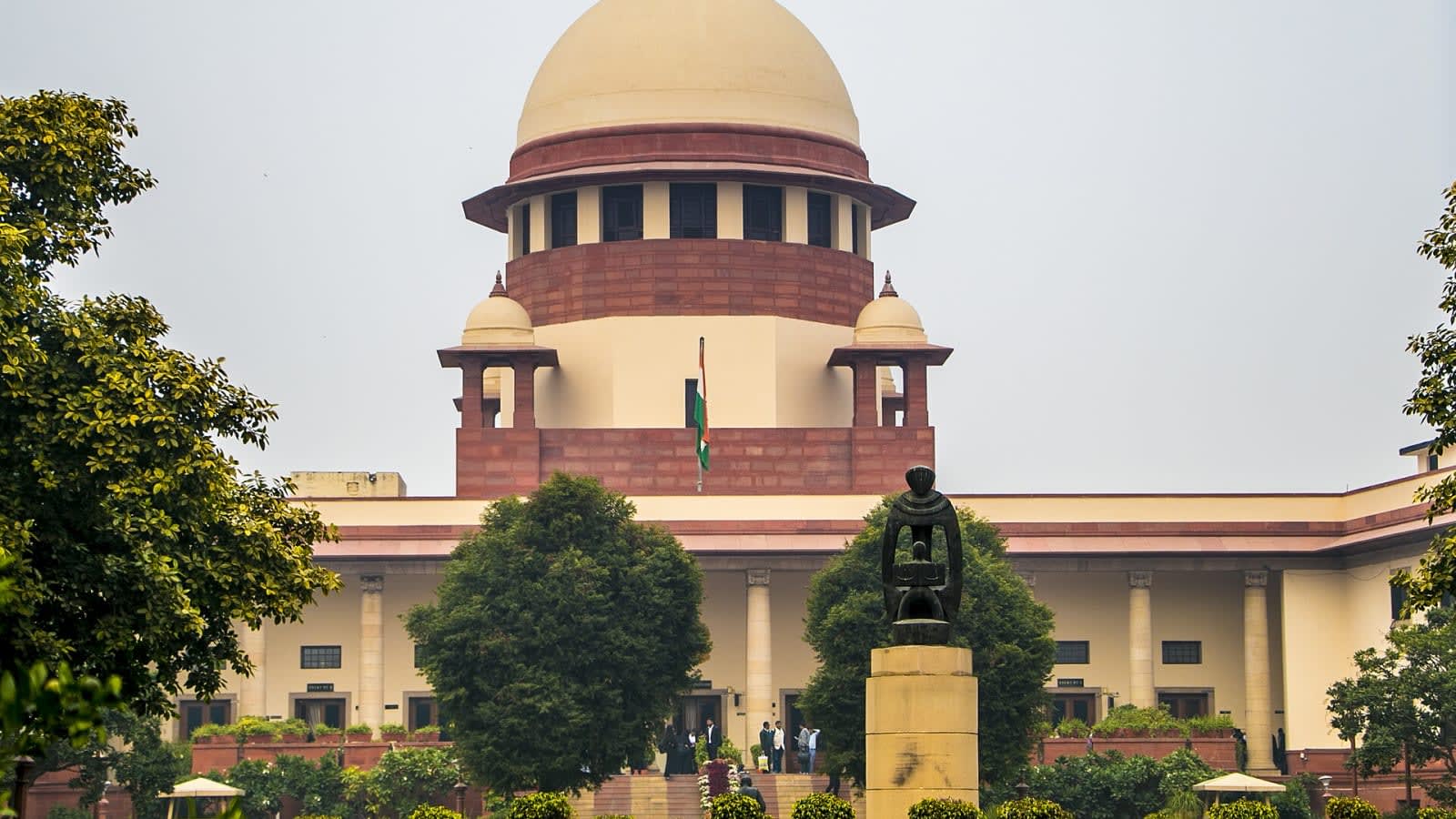
Supreme Court intervention on CBI probe
The Supreme Court has directed the Central Bureau of Investigation not to take any coercive steps against individuals linked to the Punjab government in an ongoing corruption inquiry, upholding statutory safeguards and administrative stability.
A bench comprising Justices MM Sundresh and PB Varale issued notices to the Union Government, the Central Bureau of Investigation (CBI), and the Enforcement Directorate (ED). Clarifying the scope of its interim order, the bench noted that while the First Information Report (FIR) itself has not been stayed, state officials and associated personnel will be protected from arrest or other coercive measures while the top court examines the legal issues.
"We are not staying the FIR. We are saying no coercive steps may be taken," the bench stated during the hearing.
High Court direction challenged by state
The Supreme Court order follows a petition filed by the Punjab government challenging a ruling by the Punjab and Haryana High Court. The High Court had directed the CBI to conduct a probe into allegations involving public servant transfers, tenders, and administrative policy decisions, giving the central agency two months to submit its report.
The High Court's direction had come on a petition filed by advocate Nikhil Saraf, who alleged corrupt practices related to official transfers and policy formulation. The High Court had also ordered the Punjab Police and state government authorities to hand over all relevant case files and documents to the CBI.
Mandatory approvals and legal safeguards
Appearing for the Punjab government, senior advocates Vikas Singh and Sidharth Luthra argued that the High Court's order contained fundamental legal errors and bypassed statutory protections designed to ensure smooth governance.
The state pointed out that under Section 17A of the Prevention of Corruption Act, prior approval from the competent authority is mandatory before any investigating officer can conduct an enquiry or probe into decisions made by a public servant in the discharge of official duties. The Punjab government contended that directing an investigation into administrative transfers, tenders, and policy decisions without prior approval violates explicit statutory provisions.
The state also argued that the High Court erred in treating information shared by the Enforcement Directorate under Section 66 of the Prevention of Money Laundering Act as an automatic mandate making the registration of an FIR inevitable. This, the Punjab government submitted, runs directly counter to the Supreme Court's established 2022 precedent in the Vijay Madanlal Choudhary case.
By intervening to prevent coercive action while keeping the underlying FIR active, the Supreme Court has preserved important procedural checks, ensuring that administrative processes remain protected while legal scrutiny proceeds in accordance with the law.
Key numbers
| What | Figure | Source |
|---|---|---|
| High Court CBI probe deadline | 2 months | Punjab and Haryana High Court order cited in court proceedings |
In this story
| Name | Role in the story |
|---|---|
| Central Bureau of Investigation | Investigating agency directed not to take coercive action. |
| Government of Punjab | Appealed the High Court order to the Supreme Court. |
| PB Varale | Supreme Court Justice on the bench. |
| Supreme Court of India | Issued interim order protection from coercive action. |
| MM Sundresh | Supreme Court Justice on the bench. |