Supreme Court upholds Madras HC ruling, rejects quota for Hindu converts to Islam
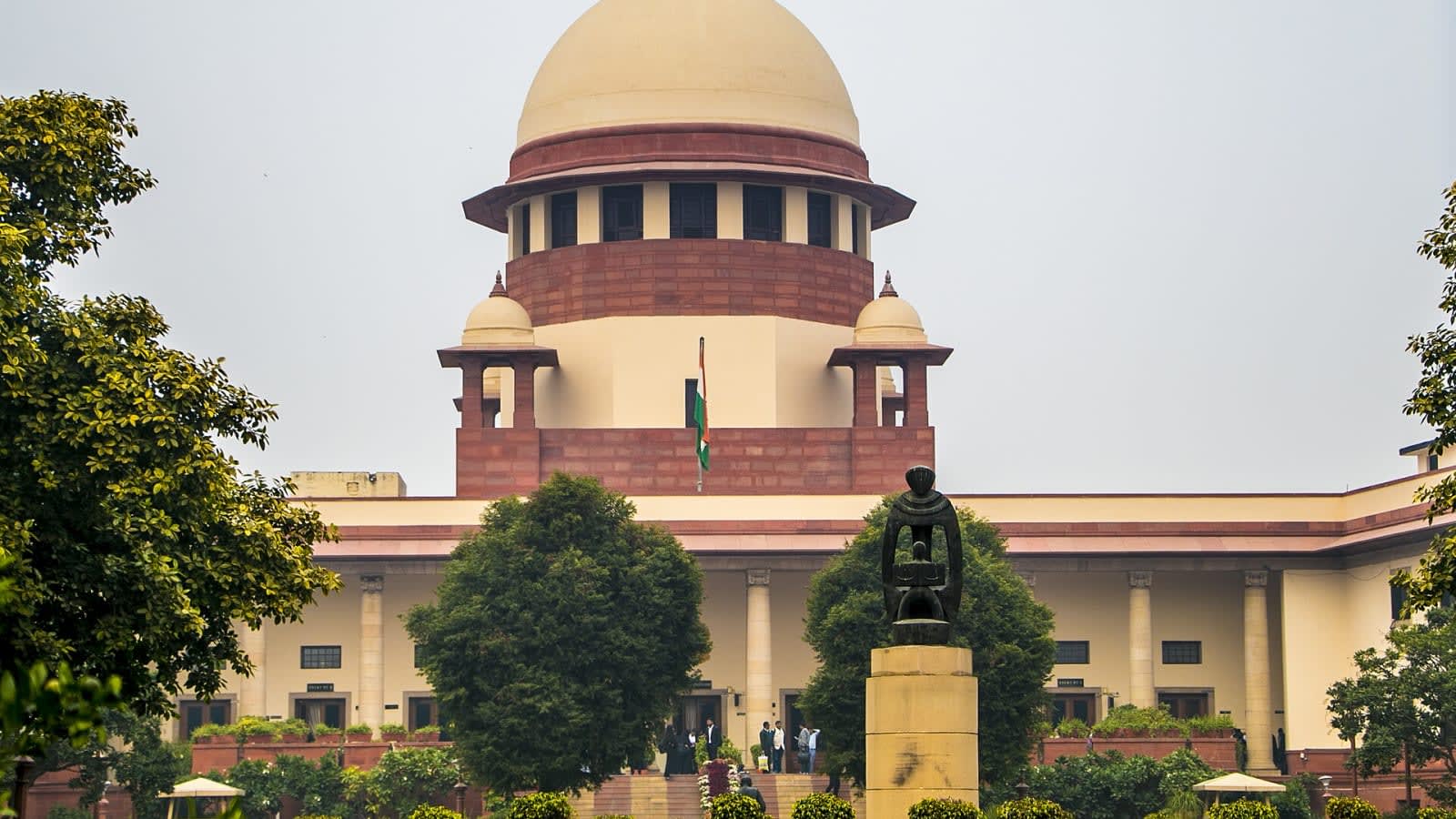
A two‑judge bench of the Supreme Court dismissed Tamil Nadu’s appeal, confirming that pre‑conversion caste status cannot translate into reservation benefits under the Muslim backward class category.
What the court decided
On 15 October 2026 a two‑judge bench of the Supreme Court dismissed the Tamil Nadu government’s appeal against the Madras High Court judgment. The bench, comprising Justices P.K. Mishra and Shree Chandrashekhar, held that a person’s caste status before conversion does not automatically confer backward‑class eligibility after converting to Islam. The court reiterated that Article 16(4) of the Constitution protects only those whose social backwardness is linked to the Hindu social order.
Who was involved
The petition was filed by Paramasivam, who converted to Islam in 2015 and now goes by Sameer Ahmed. He had been denied a Backward Class Muslim (BCM) certificate for the “Labbai” community, prompting the legal challenge. The Tamil Nadu government, relying on a 2024 notification recommended by the Tamil Nadu Backward Classes Commission, sought to extend reservation benefits to members of backward classes, most backward classes, denotified communities and Scheduled Castes who converted to Islam.
Why the ruling matters
The Madras High Court had previously held that membership in the seven notified Muslim backward‑class communities – such as Labbai, Rowther, Marakkayar and Deccani – is determined by birth, not by religious conversion. The Supreme Court’s affirmation reinforces the principle that affirmative‑action entitlements are rooted in the historic caste framework, not in personal faith choices. By rejecting the state’s appeal, the apex court upholds constitutional consistency and signals that policy‑driven shortcuts cannot override established legal standards.
What comes next
The Tamil Nadu government must now enforce the High Court order and withdraw the 2024 notification. No immediate legislative amendment is expected, but the decision may prompt other states to review similar conversion‑linked reservation schemes. Legal scholars anticipate that the judgment will serve as a reference point for future debates on the intersection of religion and affirmative action.
Key legal points
- Conversion severs the legal foundation of caste‑based backwardness under Article 16(4).
- Membership in notified Muslim backward‑class communities is birth‑based, not conversion‑based.
- State‑issued certificates cannot override Supreme Court precedent.
Key numbers
| What | Figure | Source |
|---|---|---|
| Date of Supreme Court judgment | 15 Oct 2026 | Supreme Court order |
| Bench members | Justices P.K. Mishra, Shree Chandrashekhar | Supreme Court order |
| Petitioner | Paramasivam (now Sameer Ahmed) | Petition filing |
| Year of Tamil Nadu notification | 2024 | Tamil Nadu government order |
| Number of notified Muslim backward‑class communities in Tamil Nadu | 7 | Madras High Court judgment |
In this story
| Name | Role in the story |
|---|---|
| Justice P.K. Mishra | bench member |
| Justice Shree Chandrashekhar | bench member |
| Paramasivam / Sameer Ahmed | petitioner challenging the quota |
| Tamil Nadu government | issued the 2024 reservation notification |
| Supreme Court of India | apex court that upheld the ruling |
| Madras High Court | original court that struck down the state order |