Andrew Mountbatten-Windsor granted £302,000 compensation for surrendering Royal Lodge lease
The former prince has handed back his Windsor home 50 years early, while also winning a High Court battle over unlawful police raids.
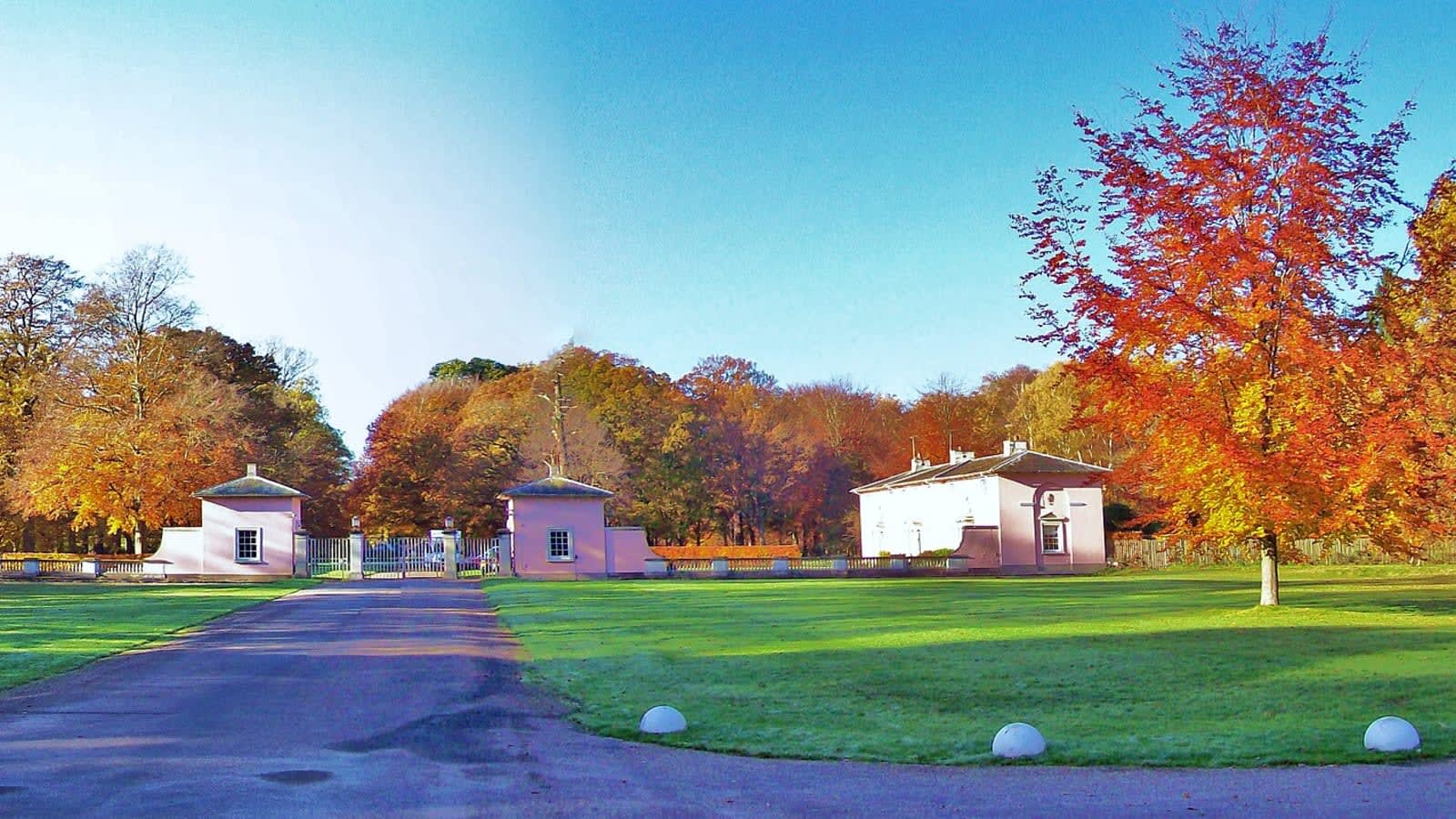
Andrew Mountbatten-Windsor has been awarded £302,000 in compensation after officially surrendering his lease on Royal Lodge more than 50 years early.
The Crown Estate confirmed the payout, explaining that the former prince was contractually entitled to the money because he handed back the Windsor property within the first 25 years of his lease. Over the course of his occupancy, he spent £1.8 million on repair and restoration costs.
The property will now be marketed by two nationally recognised estate agents. A Crown Estate spokesperson said their focus is "firmly on its future use and the opportunities to generate additional financial value for the nation from its early return".
A forced move from Windsor
The financial settlement follows a turbulent year for the King's brother. He moved out of the Windsor mansion earlier this year and relocated to Marsh Farm, a property on the Sandringham estate in Norfolk.
His departure came amid intense public scrutiny over his living arrangements. In June, a National Audit Office investigation revealed that he had been generating private income by subletting three cottages on the Royal Lodge estate, despite paying only a nominal "peppercorn" rent to the Crown for more than two decades.
Pressure on his position intensified further following the release of US Department of Justice files detailing his links to the late, convicted child sex offender Jeffrey Epstein.
Police search warrants ruled unlawful
Alongside the lease settlement, the former prince secured a significant legal victory when the High Court ruled that police search warrants used to raid his homes were unlawful.
Officers from Thames Valley Police had searched his Sandringham residence and Royal Lodge on the day of his arrest, seizing documents and electronic devices. The arrest was made after information from the Epstein files alleged that Mountbatten-Windsor had shared sensitive information with Epstein during his time serving as a UK trade envoy.
However, the former prince launched a judicial review challenging the legality of the raids. At the High Court in London, Mr Justice Hilliard ruled the warrants invalid after Thames Valley Police conceded they had obtained their search powers under the wrong statutory provision.
While the blunder is an embarrassment for the force, police sources said they do not expect the ruling to derail their ongoing investigation.
Late last year, King Charles stripped his brother of his royal titles and his dukedom. Although he still receives an undisclosed annual stipend from the King's private funds, a palace source told reporters that officials had made it clear this money should not be used to fund his legal challenge against the police.
Key numbers
| What | Figure | Source |
|---|---|---|
| Compensation payment received | £302,000 | The Crown Estate |
| Repair and restoration costs paid by Andrew | £1.8 million | The Crown Estate |
In this story
| Name | Role in the story |
|---|---|
| Royal Lodge | The Windsor property whose lease was surrendered. |
| Andrew Mountbatten-Windsor | The central subject of the lease surrender and the legal challenge against the police. |