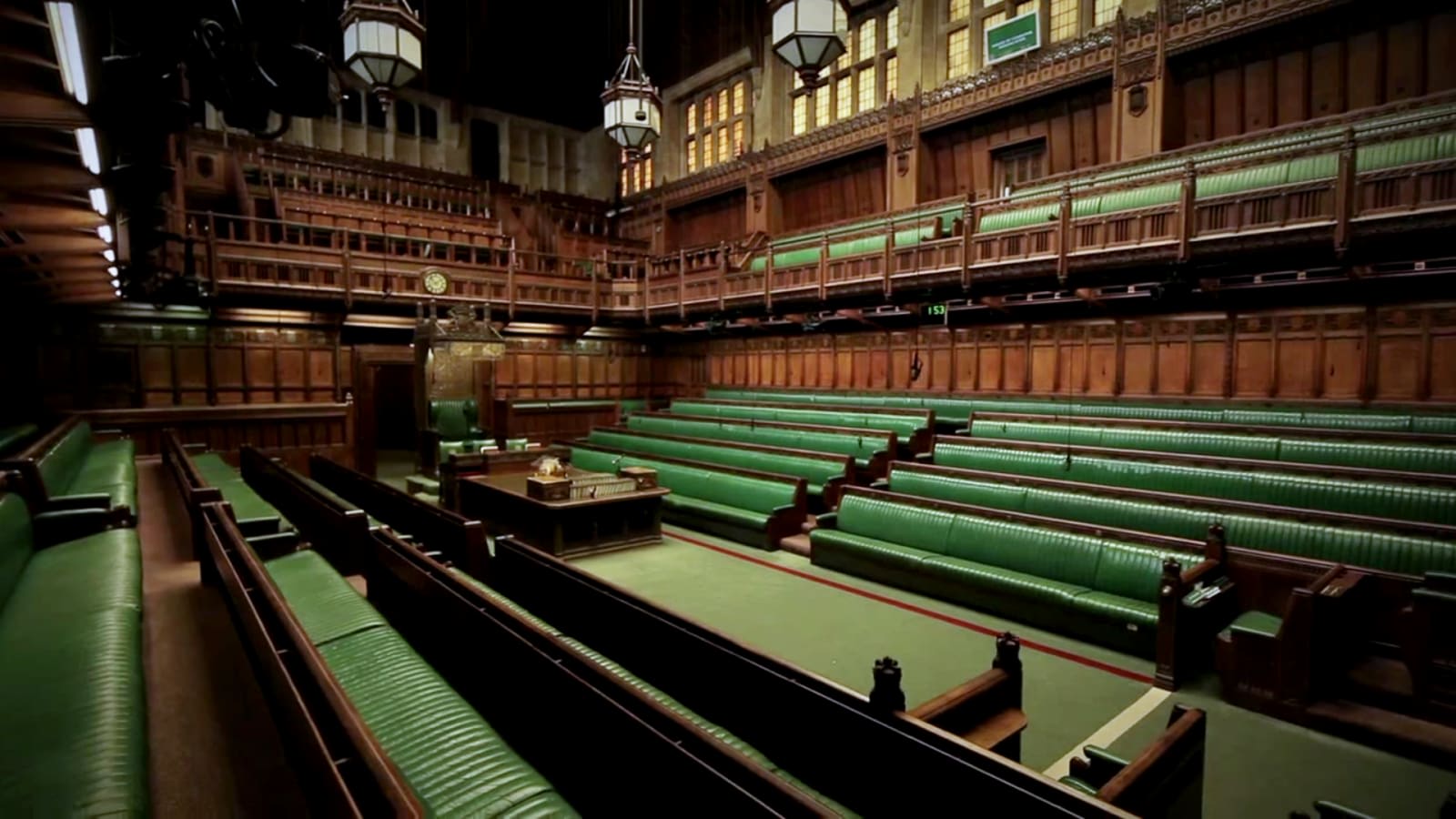
How parliamentary bills become law and why most die before a vote
Textbook diagrams show a tidy assembly line from first reading to royal assent, but the reality in Westminster is far more lethal.

What actually happens when a bill is introduced
Every law begins as a draft proposal presented to Parliament, but the formal first reading is little more than a title being read out by a clerk. No speeches are delivered, no votes are taken, and no debate occurs. It is simply a formal notice of intent.
The real testing ground begins at the second reading, where MPs debate the core principles of the proposed legislation. For government-sponsored bills, this stage is usually a hurdle rather than a barrier. Whips ensure party members attend and vote down opposition attempts to block the text. But for private members' bills—legislation introduced by backbench MPs who are not government ministers—the second reading is often where the idea dies.
Where backbench bills go to die
Parliamentary time is tightly controlled by the government of the day. Backbenchers must compete for a handful of dedicated sitting Fridays each year to debate their proposals.
To stand a chance, an MP usually has to win one of twenty slots in an annual ballot drawn near the start of the parliamentary session. Even then, a single opponent can kill a bill by talking until the debate time expires at 2.30pm—a tactic known as talking out a bill. If a debate finishes without a formal vote, any single MP can shout "object" when the title is called, pushing the bill to the back of a queue it will rarely recover from.
Unless a private member's bill receives quiet backing from government whips, who can grant it extra parliamentary time or instruct ministers not to block it, it almost never reaches the statute book.
The silent veto in committee rooms
Bills that clear second reading move to the committee stage, where line-by-line scrutiny takes place. For government bills, ministers use this phase to patch up flaws or insert late amendments. For non-government bills, the committee stage can become a graveyard.
Governments possess an unspoken veto: if a proposed law requires public spending, it cannot proceed without a money resolution, which only a minister can move. If the Treasury refuses to table that motion, the bill stalls indefinitely, regardless of how many MPs support it.
What happens when time runs out
Even when a bill survives the Commons and passes through the House of Lords, it remains vulnerable to the parliamentary calendar. Any bill that has not completed every legislative stage—including royal assent—by the end of a parliamentary session immediately lapses.
While ministers can shift business around to ensure their priority legislation beats the clock, backbenchers rarely have that option. The vast majority of draft laws introduced each year do not fail because MPs voted against them. They die silently because the parliamentary clock simply ran out.
Key numbers
| What | Figure | Source |
|---|---|---|
| Private Members' Ballot slots | 20 MPs selected per parliamentary session | House of Commons standing orders |
| Friday debate cutoff time | 2.30pm | House of Commons procedure rules |
In this story
| Name | Role in the story |
|---|---|
| House of Commons | The primary chamber where parliamentary bills are introduced, debated, and frequently stalled. |