The Friday graveyard and the silent veto: how laws are actually made and killed in Westminster
The textbook says parliament debates and votes on new laws, but the reality is a tightly controlled game of time-wasting and backroom deals.
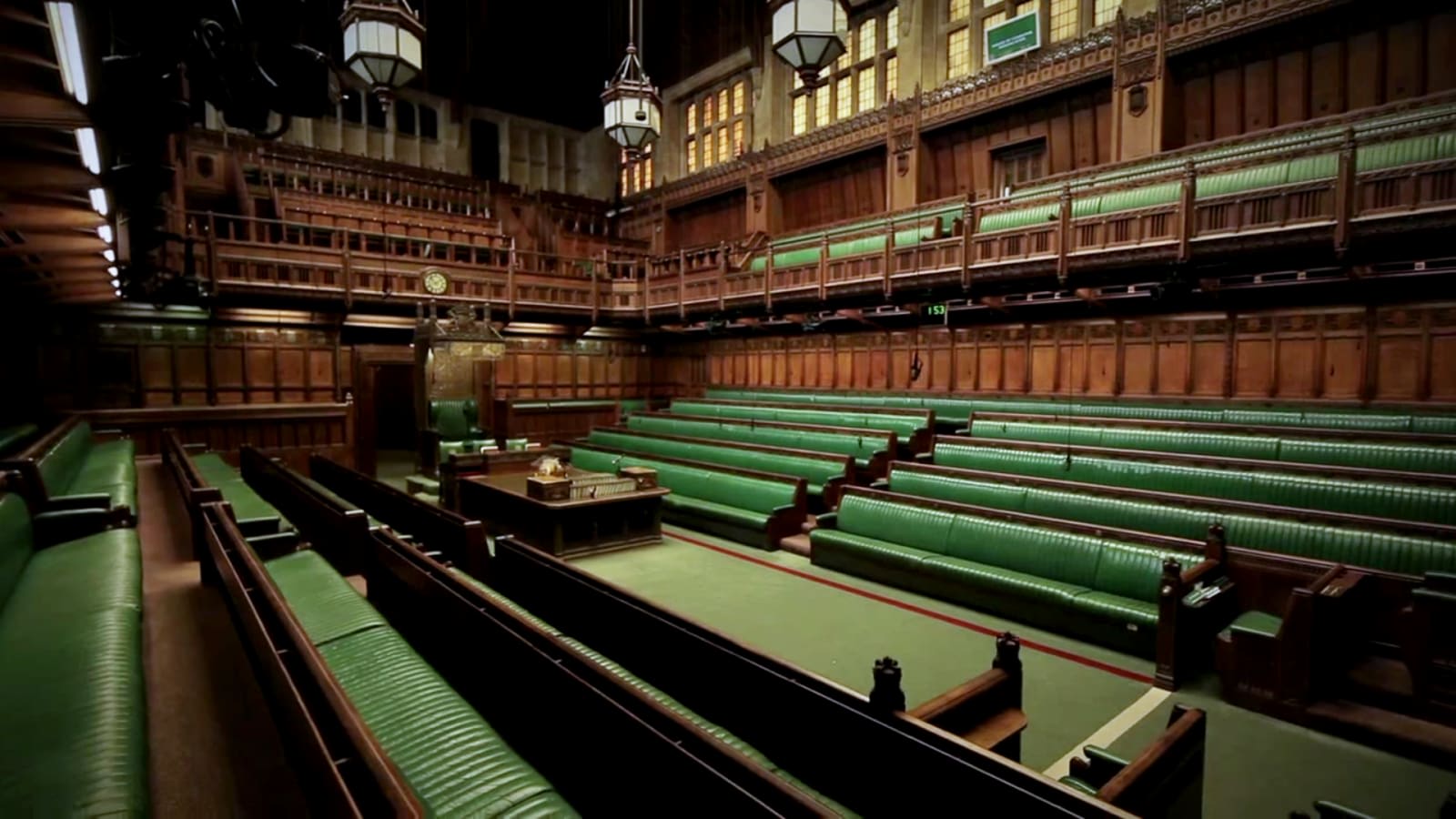
Every schoolchild is taught the neat, linear march of a bill through parliament. It starts with a first reading, moves to a second, passes through committee, survives a third reading, and repeats the process in the Lords before receiving Royal Assent.
It is a tidy civics lesson that bears almost no resemblance to how Westminster actually works.
In reality, the legislative process is a system of time management controlled almost entirely by the government. If a bill does not have the backing of Downing Street, its chances of survival are close to zero. For the hundreds of backbench proposals put forward every year, the process is not a debate; it is an obstacle course designed to ensure they quietly run out of time.
The Friday afternoon graveyard
The most common place for a bill to die is on a Friday afternoon in the House of Commons. This is when Private Members' Bills—legislative proposals introduced by backbench MPs rather than ministers—are debated.
Because the government controls the parliamentary timetable, it only allocates a handful of Fridays each session to these bills. The rules of these sittings are a gift to anyone who wants to kill a proposal without having to vote against it.
If a debate on a bill is still going at 2:30 pm, it is "talked out"—a process known as filibustering. An opponent of the bill can simply stand and speak about anything remotely relevant until the clock runs down. Because there is rarely enough time to schedule a resumed debate, the bill is effectively dead.
Even if a bill survives the debate, a single MP can kill its progress at the end of the day. When the Speaker reads out the titles of remaining bills, any MP can simply shout "object". If they do, the bill is deferred, usually ending its chances for the year. MPs often do this anonymously, allowing controversial bills to be killed without anyone taking the public blame.
The silent veto of the money resolution
For the handful of backbench bills that do manage to secure a majority in a vote, another hurdle awaits. Under parliamentary rules, any bill that requires significant public spending must receive a "money resolution".
Only the government can table a money resolution. If a minister decides not to table one, the bill cannot proceed to its committee stage. It is a highly effective, silent veto. The government does not have to defeat the bill in a public vote; it simply refuses to allow the paperwork to move forward.
How government bills actually stall
It is not just backbenchers who see their bills die. Even government bills, backed by a majority, frequently stall. But they rarely die because they lose a vote on the floor of the House.
Instead, the real battle happens behind closed doors. When backbenchers object to a government proposal, they rarely wait to vote against it at third reading. Instead, they threaten a rebellion during the committee or report stages.
If the government whips realise they do not have the numbers to pass a specific clause, they will simply refuse to schedule the bill's next stage. The legislation sits in a state of suspended animation while ministers negotiate deals, offer concessions, or quietly decide to let the bill expire at the end of the parliamentary session.
The wash-up cull
The final, most dramatic graveyard for legislation is the "wash-up". This is the brief period between a general election being called and parliament actually dissolving.
During these few days, the government loses its power to push through controversial legislation. Any bill that has not yet finished its journey must either be passed by agreement between the government and the opposition, or it dies instantly.
In the frantic negotiations of the wash-up, massive pieces of legislation are gutted, rewritten, or completely abandoned in a matter of hours. The bills that survive are often heavily compromised; those that do not are simply erased, forcing any future government to start the entire process again from scratch.
Key numbers
- 2:30 pm