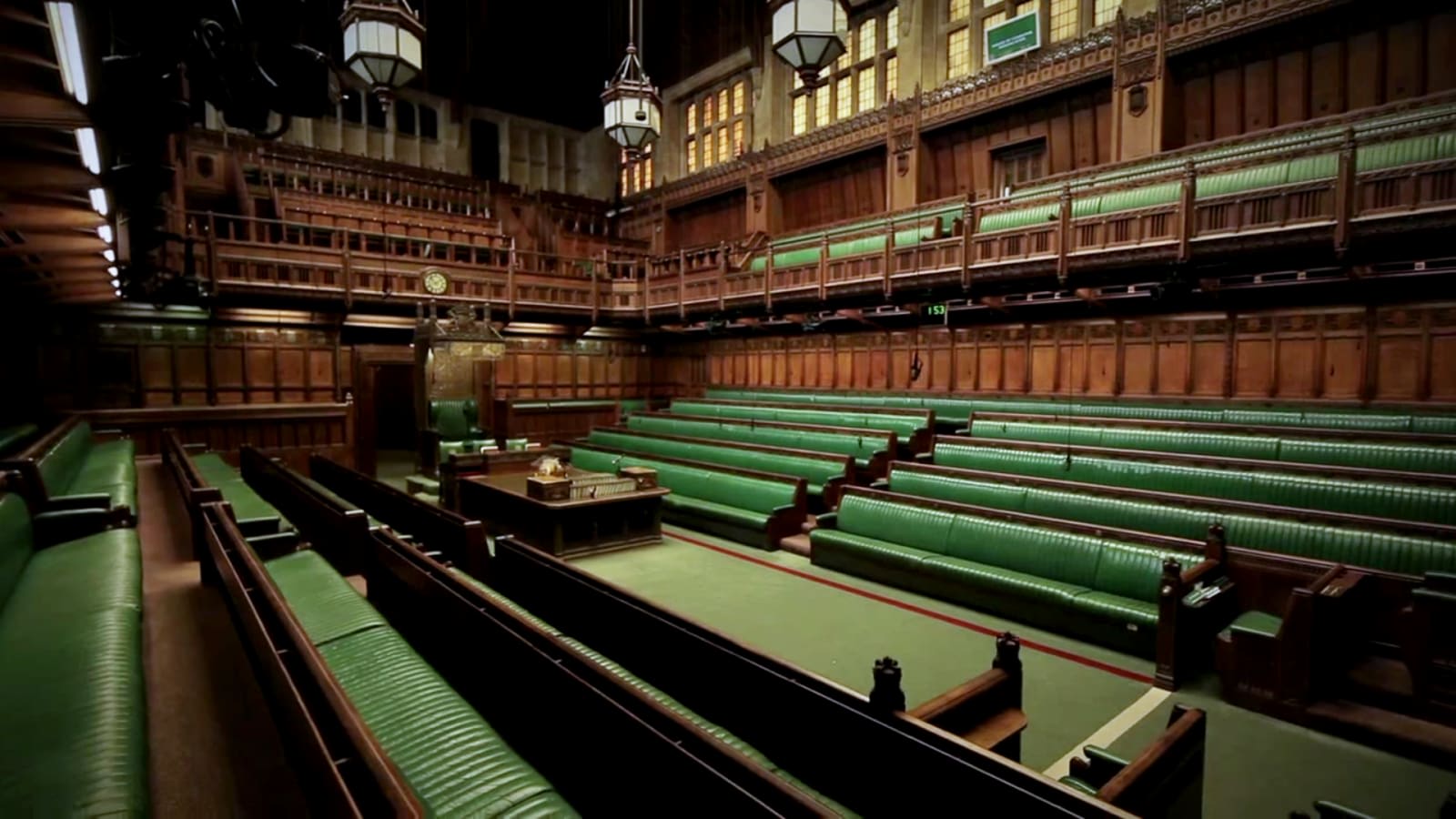
MPs reject assisted dying bill after tense Commons debate
The proposal was defeated by 286 votes to 270 on Friday, halting the legislation in its current form.

MPs have rejected a landmark bill to legalise assisted dying in England and Wales, defeating the proposals by a narrow majority in the House of Commons.
The Terminally Ill Adults (End of Life) Bill was voted down on Friday by 286 votes to 270. The 16-vote defeat represents a major shift in momentum. Just over a year ago, in June 2025, a similar bill cleared the Commons with a majority of 23, before stalling in the House of Lords under a mountain of more than 1,200 amendments.
The defeat means the legislation will not proceed in its current form. Had it passed, the bill would have allowed adults diagnosed with less than six months to live to request medical assistance to end their lives, subject to approval from two doctors and an expert panel.
Lauren Edwards, the Labour MP who sponsored the bill, expressed deep disappointment at the result, saying parliament had "dropped the ball" and left a law in place that is "simply too cruel and too unjust to be allowed to stand". She argued that the objections raised on Friday were largely procedural rather than principled. Edwards had introduced an identical bill to the 2025 version in an attempt to trigger the Parliament Acts, which would have eventually forced the House of Lords to let the legislation progress.
But that tactic itself alienated some previous supporters. Labour MPs Gareth Snell and Dame Meg Hillier had warned colleagues that using the Parliament Acts presented them with a "this or nothing" ultimatum.
The debate exposed deep divisions over safeguards and the state of end-of-life care in the UK. Opponents argued that the protections against vulnerable people being coerced into ending their lives were deeply inadequate. Ashley Dalton, a Labour MP who has metastatic breast cancer, said the built-in safeguards remained "flawed and unsafe", particularly for people suffering from treatable depression alongside a terminal illness.
After the vote, Dalton, Hillier, and fellow Labour MP Jess Asato released a joint statement calling on the government to "sort out social and palliative care" before assisted dying is considered again. "This is not a moment for celebration," they wrote, but argued that no major medical college had been willing to attest to the safety of the bill.
The debate also highlighted a brewing crisis in hospice funding. Toby Porter, the chief executive of Hospice UK, urged both sides of the debate to now focus on fixing the sector, pointing out that nearly 60 per cent of hospices are currently cutting or planning to cut frontline services. Porter argued that the real choice people need at the end of life is access to high-quality palliative care, which is currently too patchy.
Prime Minister Andy Burnham did not vote, maintaining a position of government neutrality on what he called a matter for parliament. Burnham has previously stated that funding for end-of-life care must be improved before assisted dying is introduced.
Supporters had argued the bill simply legalised and regulated a practice that is already happening. Labour MP Hilary Benn pointed out that terminally ill people are already travelling to Switzerland to end their lives. He argued it was a "gaping hole" in opponents' arguments that families are rarely prosecuted for accompanying their loved ones abroad, with prosecutors accepting such journeys as a final act of love.
For high-profile campaigners, the defeat brings immediate consequences. Broadcaster Dame Esther Rantzen, 86, who has terminal cancer, had urged MPs to back the bill, warning that her life had become "unbearable" and she was now too physically fragile to make the journey to Switzerland.
Key numbers
- 286 to 270
- 314 to 291
- nearly 60%