Rahul Gandhi targets Modi government over monopolies after Elon Musk exchange
The opposition leader says India needs a level playing field and an economy driven by innovation, not political patronage.

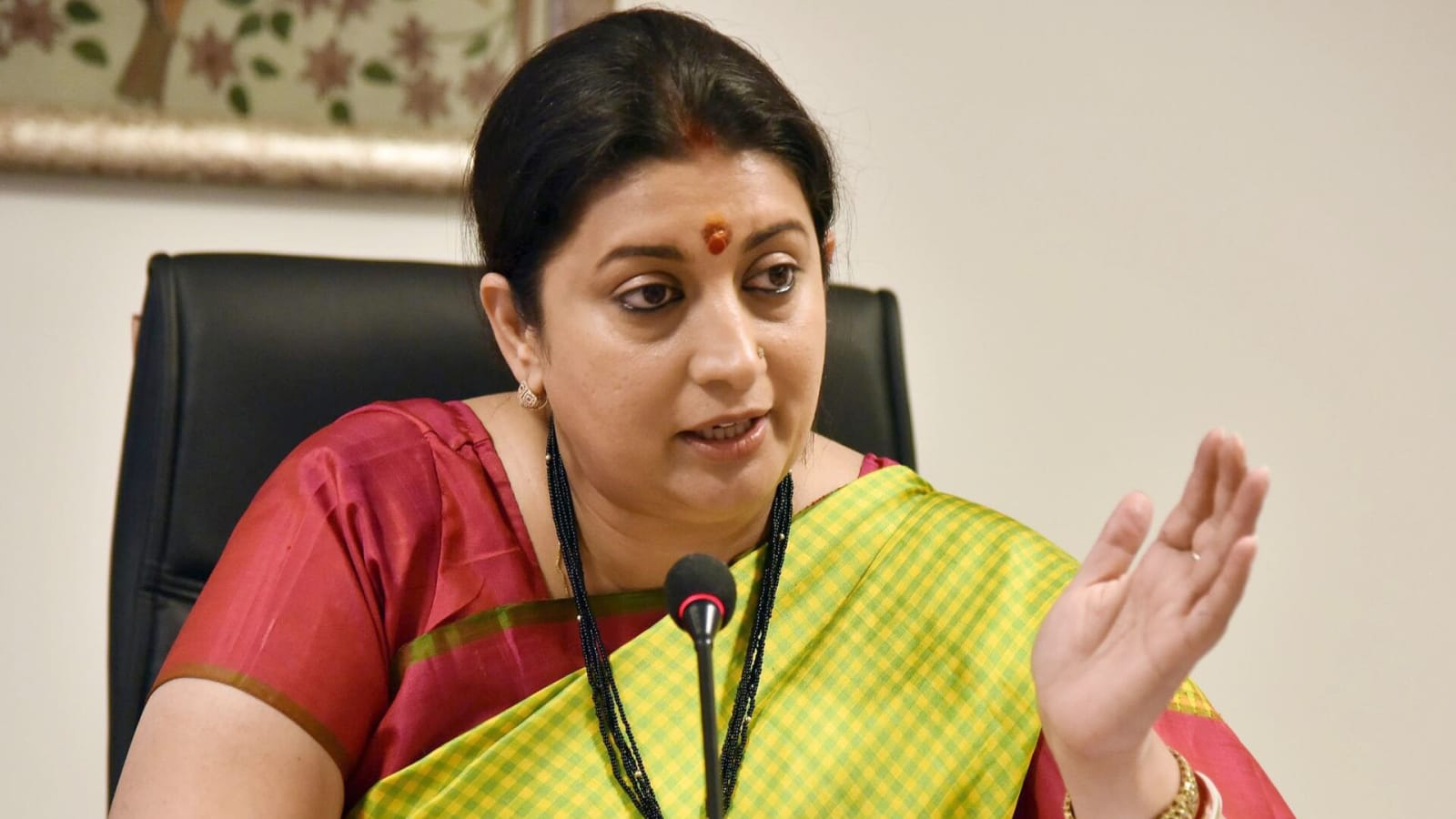
Rahul Gandhi and the Congress party have launched a major political attack against the Narendra Modi government, accusing it of promoting monopolies and promising to dismantle what they describe as a system of crony capitalism.
The confrontation was sparked by an exchange on X between the Leader of the Opposition in the Lok Sabha and US billionaire Elon Musk.
It began when Musk, whose satellite internet service Starlink is currently waiting for security clearance to launch in India, questioned whether Reliance Industries chairman Mukesh Ambani was the "real boss" of the country.
Gandhi responded to Musk's post with a short message: "Wait till you discover the other guy." The remark, which Musk called "indeed troubling," was an unnamed reference to industrialist Gautam Adani.
Following criticism from the ruling BJP, Gandhi released a video montage on social media to clarify his stance.
"The Congress party and I are committed to breaking this chain of crony capitalism and building an economy driven by innovation and hard work — not political patronage," Gandhi wrote in a Facebook post. He added: "I am not anti-business; I am anti-monopoly."
The shrinking field of competition
Congress president Mallikarjun Kharge backed the offensive, accusing the BJP government of carrying out "economic terrorism" to enrich itself and its preferred corporate allies.
Kharge claimed that the government’s policies have systematically crushed competition to create monopolies and duopolies, hurting small businesses and leaving young people facing severe unemployment.
He pointed to sharp consolidations in major Indian industries over the past decade. Before the BJP came to power in 2014, India had 13 major private telecommunications players; today, Kharge noted, that number has fallen to three. Similarly, the number of domestic aviation competitors has shrunk from seven to two. Kharge said the same monopolistic trends are now playing out in digital payments, food delivery, and the cement industry.
"The objective of Modi ji's economic policy is to hand over control of the economy to his favoured capitalist cronies, so that, in return, the BJP maintains its share in the profits," Kharge said.
Sarcasm and political fallout
While the BJP criticised Gandhi for aligning with a foreign billionaire's complaints, Congress leaders defended the exchange as a lighthearted but pointed critique.
Congress MP Karti Chidambaram said Gandhi’s response to Musk was "laced with sarcasm and humour," which he argued had been misunderstood by critics.
"This is not in any way an endorsement of Elon Musk or of the policy of the Government of India, or of the angst which Elon Musk has," Chidambaram said.
The row highlights a persistent theme for the opposition. By framing its economic vision as pro-market but anti-monopoly, Congress is attempting to shed its traditional anti-business image while continuing to attack the deep political influence of India's top conglomerates.
Key numbers
| What | Figure | Source |
|---|---|---|
| Private telecommunications players before 2014 | 13 | Congress president Mallikarjun Kharge |
| Private telecommunications players current | 3 | Congress president Mallikarjun Kharge |
| Domestic aviation players before 2014 | 7 | Congress president Mallikarjun Kharge |
| Domestic aviation players current | 2 | Congress president Mallikarjun Kharge |
In this story
| Name | Role in the story |
|---|---|
| Rahul Gandhi | Leader of the Opposition in the Lok Sabha who targeted the government over monopolies. |
| Indian National Congress | The political party attacking the government and promising to end crony capitalism. |