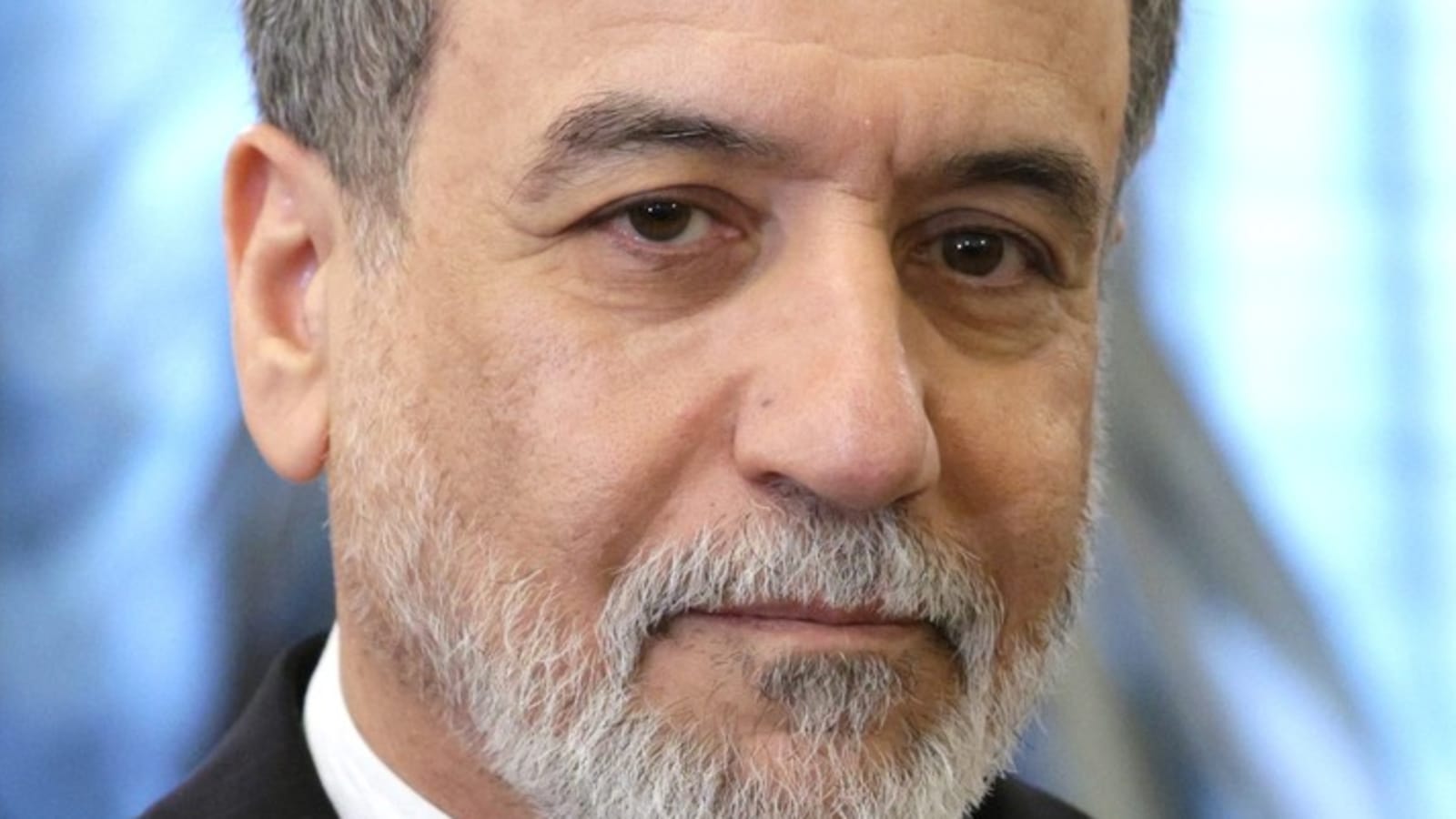
Iranian President Masoud Pezeshkian says many Iranians struggling for food as war bites
Tehran's leadership admits mounting public hardship under a US naval blockade as fears grow over renewed military strikes.

Food shortages hit Iranian households amid US economic blockade
Iranian President Masoud Pezeshkian has publicly admitted that many citizens are struggling to afford basic food as severe economic pressures and wartime conditions take a heavy toll on the country.
Speaking in an address published on his official website on Saturday, Pezeshkian gave a candid assessment of the widespread hardship facing households across Iran.
"There are many people in this society who are struggling to put food on the table because of the war we have found ourselves in, because of the wartime conditions we are living under," Pezeshkian said.
The Iranian leader called for an end to what he described as a "state of neither war nor peace", insisting that Tehran must find a way out of the current impasse, though he offered no specific plan on how to achieve it.
Escalating conflict and economic blockade
The domestic crisis stems from the outbreak of military hostilities on 28 February, when joint strikes by the United States and Israel targeted Iran, killing supreme leader Ayatollah Ali Khamenei alongside senior military commanders. Tehran retaliated with strikes against Israeli targets and American positions in the region, while restricting commercial passage through the Strait of Hormuz, a vital route for global energy supplies.
In response, Washington imposed a naval blockade on Iranian ports, severely restricting the nation's oil exports and maritime trade. While a ceasefire mediated by Pakistan in mid-June temporarily halted major fighting, the arrangement collapsed shortly afterwards, with both sides accusing each other of violating its terms.
In recent weeks, Washington has dialled back major military operations in favour of intensifying economic sanctions and port restrictions, though sporadic attacks have continued. Iranian forces have continued targeting commercial vessels attempting to navigate the strait without meeting conditions set by Tehran.
Threat of renewed military strikes
The admission of widespread domestic hardship comes as tensions flare over potential American military action. Speaking on a podcast on Friday, US Ambassador to Turkey Tom Barrack warned that American air strikes on Iranian positions could restart almost immediately.
"Could there be a strike this weekend? Absolutely," Barrack said during the interview.
In response, a spokesperson for Iran's Revolutionary Guard Corps told the Fars news agency on Saturday that Iranian forces remain on high alert and prepared to counter any action.
"Even if the enemy takes limited action, Iran's response will be several times greater," the spokesperson said.
With peace negotiations stalled over Iranian demands that Washington lift its economic pressure before formal talks resume, ordinary citizens continue to bear the brunt of the conflict.
Key numbers
| What | Figure | Source |
|---|---|---|
| War start date | 28 February 2026 | Official reports from conflict participants |
| Failed ceasefire agreement period | Mid-June 2026 | Pakistan-mediated ceasefire statement |
In this story
| Name | Role in the story |
|---|---|
| United States | Country involved in war and blockade against Iran. |
| Masoud Pezeshkian | President of Iran who acknowledged widespread domestic food shortages. |
| Iran | Nation experiencing food insecurity and economic blockade. |