Pakistan vows to honour Mecca defence pact after Houthi drone threat
Defence minister says Islamabad will meet its obligations under the new alliance, but unratified treaties and missing operational plans mean immediate military action is unlikely.
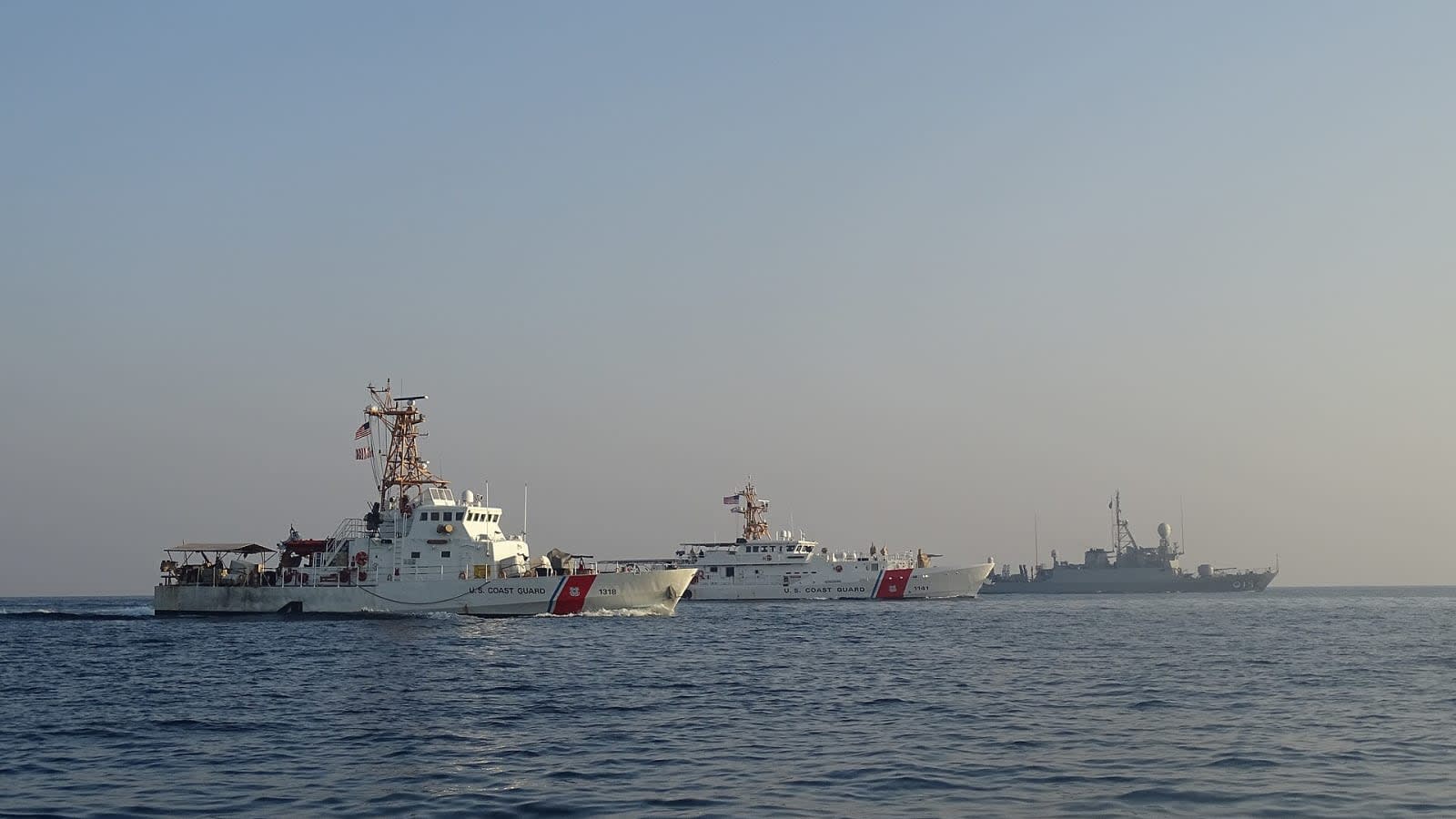
Pakistan is ready to back Saudi Arabia militarily under a newly signed tripartite defence pact, its defence minister has announced, following an alleged Houthi drone strike near the holy city of Mecca.
Defence Minister Khawaja Asif said there was "absolutely no ambiguity" that the Makkah Joint Defence Agreement applies. His comments came after Saudi air defences intercepted and destroyed a drone south of Mecca on Tuesday. The Yemen-based Houthi rebels denied targeting the site, calling the accusation a "worn-out lie" and saying they would never target Islamic holy sites.
The treaty, signed on 7 August by Pakistan, Saudi Arabia, and Turkey, mirrors NATO’s Article 5. It dictates that an armed attack on any of the three nations is treated as an attack on them all. But while Islamabad is talking tough, the reality of deploying troops is far more complicated.
Why the pact remains inactive
For a start, the alliance is barely a month old and exists largely on paper. A Turkish official, speaking anonymously, acknowledged that Turkey's parliament has not yet ratified the treaty and might not do so until October. Pakistan itself has yet to complete its own internal approval processes.
More practically, the three nations have not actually drawn up any joint operational rules, military coordination mechanisms, or readiness plans. The Turkish official admitted that establishing these protocols "may take several years".
Even if the pact were fully operational, military intervention is not automatic. Saudi Arabia must first make a formal request for assistance, prompting consultations on what kind of help to send. Officials in Islamabad and Ankara confirmed they have not received any such request from Riyadh.
The duty to protect Mecca
Even without a formal treaty, Pakistan’s leadership made it clear they would intervene to protect Mecca.
"If Mecca is attacked, there is no need for an agreement to protect it," Asif told broadcaster Geo News, calling the protection of holy sites an absolute duty. Prime Minister Shehbaz Sharif also condemned the attempted strike, saying Pakistan stands "shoulder to shoulder" with Riyadh.
Behind the scenes, Pakistan is trying to manage the diplomatic fallout. Last week, army chief Field Marshal Asim Munir raised the issue of attacks on Saudi territory with Iranian Foreign Minister Abbas Araghchi. While the Houthis are backed by Tehran, Iran's foreign ministry spokesman Esmaeil Baqaei insisted the group acts entirely independently.
What happens next
Pakistan is keeping its operational cards close to its chest. Foreign Office spokesperson Sajjad Haider Khan refused to share details of any potential military deployment, citing "operational confidentiality."
Meanwhile, the economic cost of the conflict is mounting. Asif warned that disruptions to crucial shipping lanes, like the Bab al-Mandab strait and the Strait of Hormuz, are already taking a heavy toll on Pakistan's economy by driving up trade costs.
Key numbers
- 7 August 2026
- South of Mecca