Pakistan rejects claims PAF fighter jets are striking Houthis in Yemen
The Information Ministry dismissed a New York Times report of air strikes as 'fake and fabricated' but confirmed troops are deployed under a mutual defence pact.

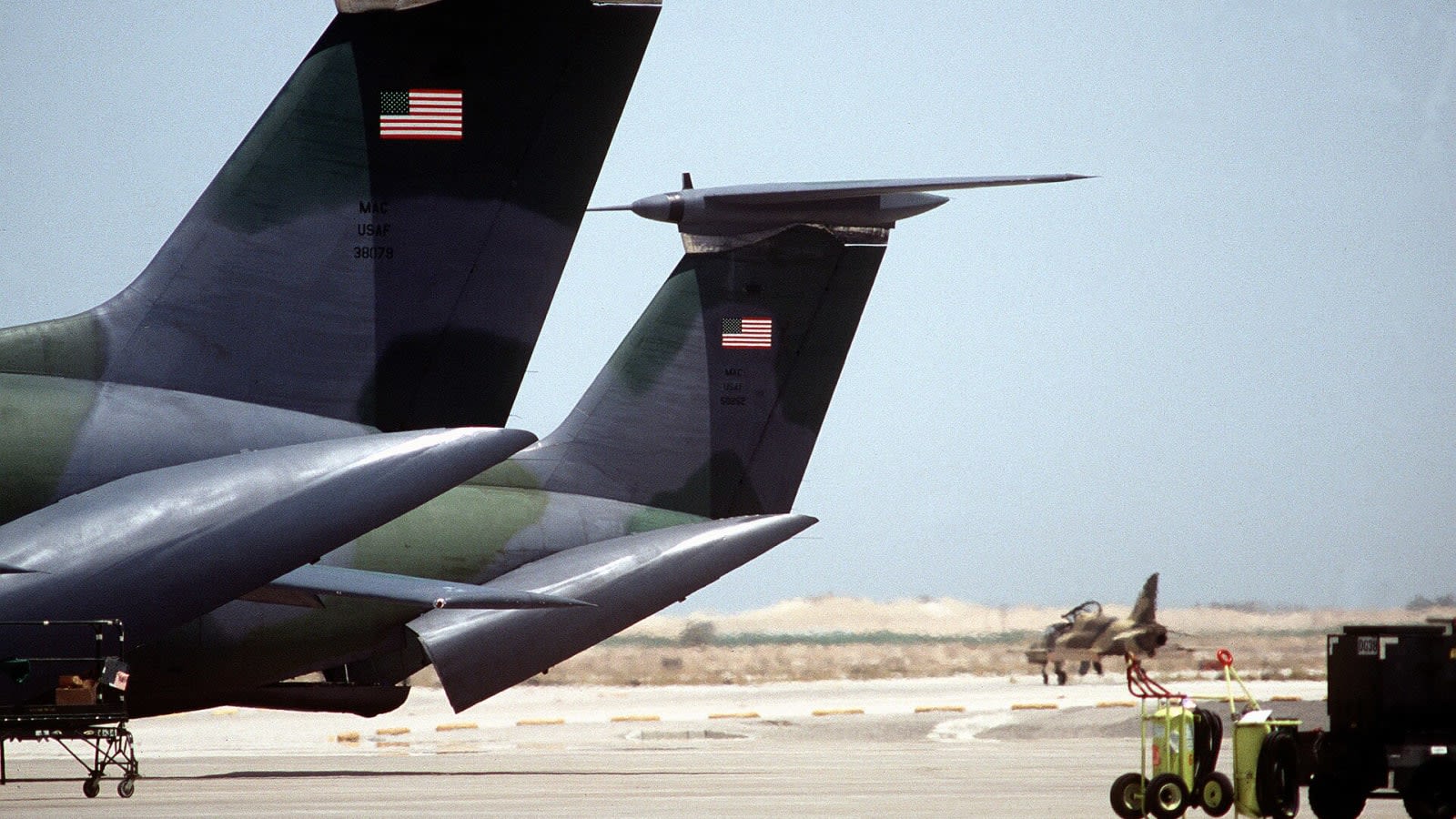
Pakistan has vehemently denied a report in The New York Times claiming its air force fighter jets are being used to launch airstrikes against Houthi rebels in Yemen. The country's Information Ministry dismissed the report as "fake and fabricated", rejecting any suggestion that Pakistani jets have joined the conflict.
The official denial comes amid a rapid escalation of tensions in the Middle East, where Yemen's Iran-backed Houthis have stepped up missile and drone attacks on Saudi Arabian territory. While Islamabad insists its planes are not flying combat missions over Yemen, it has confirmed that its military personnel are on the ground in Saudi Arabia.
What the New York Times reported
The controversy began when The New York Times reported that Pakistan had stepped up its military support for Saudi Arabia, citing a senior Pakistani military official who spoke on the condition of anonymity. According to the newspaper, this official confirmed that Pakistan Air Force fighter jets were actively being used in operations targeting Houthi rebels.
The report also quoted a second anonymous Pakistani official, who said Islamabad’s role would focus on countering the Houthi missile and drone threat using air support rather than deploying ground forces directly into Yemen.
Additionally, the newspaper cited estimates from Colonel David O. Smith, a former US Army attaché in Pakistan and former senior Defense Intelligence Agency analyst. Smith estimated that around 8,000 Pakistani troops, including air force and air defence personnel, are currently stationed in Saudi Arabia to help protect critical oil infrastructure.
Pakistan's response and military presence
While the Information Ministry was quick to reject the claim about airstrikes, Pakistan's military has acknowledged its presence in the Gulf kingdom. Lieutenant General Ahmed Sharif Chaudhry, the head of Pakistan’s military public relations wing, confirmed to CNN that Pakistani forces are currently stationed in Saudi Arabia.
Chaudhry declined to provide specific figures or details about their capabilities, citing the classified nature of the deployment.
Military analysts, including Smith, suggest that these troops are highly unlikely to engage in direct ground combat. Such a move would severely damage Islamabad's delicate diplomatic relationship with neighbouring Iran, which backs the Houthouthi movement.
The activation of the Mecca Pact
The deployment is tied to a new mutual defence agreement. In August, Pakistan, Saudi Arabia, and Turkey signed a collective security treaty known as the Mecca Joint Defence Agreement, or the Mecca Defence Alliance.
Modelled on NATO's collective defence principle, the pact dictates that an armed attack against any one of the three member states is treated as an attack against them all.
The alliance was put into practical operation this week following an emergency meeting of the three nations' strategic political and defence committee in Riyadh. The members agreed to quickly deploy military forces and resources to Saudi Arabia to counter escalating regional threats.
A shift in Pakistan's regional role
If Pakistani forces do become directly involved in combat, it would mark a major departure from the country's historical foreign policy.
In 2015, Pakistan's parliament voted unanimously to remain neutral in the Saudi-led military intervention in Yemen, resisting intense pressure from Riyadh to join the coalition. Islamabad has long tried to balance its close financial and security ties with Saudi Arabia against its need to maintain peaceful relations along its border with Iran.
But the activation of the Mecca Pact is drawing Pakistan closer to the heart of the regional conflict, leaving its long-standing policy of neutrality increasingly difficult to sustain.
Key numbers
| What | Figure | Source |
|---|---|---|
| Estimated Pakistani troops in Saudi Arabia | 8,000 | Colonel David O. Smith, former US Army attaché in Pakistan |
| Date of Mecca Joint Defence Agreement signing | August 2026 | Official alliance records |
In this story
| Name | Role in the story |
|---|---|
| Pakistan's Information Ministry | Dismissed the report of PAF jet involvement as fake and fabricated. |
| The New York Times | Published the report claiming Pakistani fighter jets were striking Houthi targets. |
| Houthis | The Yemeni rebel group targeted in the alleged airstrikes. |
| Saudi Arabia | Country hosting Pakistani military forces under a mutual defence pact. |